REVIEW · BUDAPEST
Private Wine Tasting in Budapest
Book on Viator →Operated by Miklós Csizmadia · Bookable on Viator
Budapest has a wine lesson in every glass. This private tasting at Wine the Gap pairs an expert host with a lineup built around Hungarian grapes, not generic crowd-pleasers. You’ll also get a short history of winemaking in Hungary while you sip, compare, and learn what makes these wines different. Private and Hungarian are the real keywords here.
I love the way the tasting is built around indigenous grapes, including Cserszegi fűszeres, Hárslevelű, and Furmint, plus reds like Kékfrankos and Kadarka. I also like that you’re not just drinking: tapas plates keep your palate fresh and stop the night from feeling like a school assignment.
One possible drawback: it’s about learning through tasting, so it won’t replace a full dinner. Plan to eat before or after if you’re the type who needs more than snacks.
In This Review
- Key things to know before you go
- Hungarian wine in Budapest: why this tasting is worth your time
- Wine the Gap meeting spot: where the session actually happens
- The 2-hour flow: how the tasting stays fun and focused
- The white wines: Cserszegi fűszeres, Hárslevelű, and Furmint for Tokaj lovers
- The reds: Kékfrankos, Kadarka, and Bull’s Blood
- Snacks and pairings: tapas plates that keep your palate sharp
- Who’s hosting: Miklós Csizmadia and what that means for your night
- What you’ll learn about Hungarian winemaking (without a classroom vibe)
- Value check: is $60 per person a fair deal?
- Who this suits best (and who may want to plan around it)
- Should you book this Budapest private wine tasting?
- FAQ
- How long is the private wine tasting in Budapest?
- What does the $60 price include?
- Is this tour private?
- What language is the tour offered in?
- What wines will I taste?
- Will there be food with the wine?
- Where do I meet, and where does it end?
- Is a mobile ticket used?
- Is confirmation provided after booking?
- Can the host accommodate service animals and allergies?
Key things to know before you go
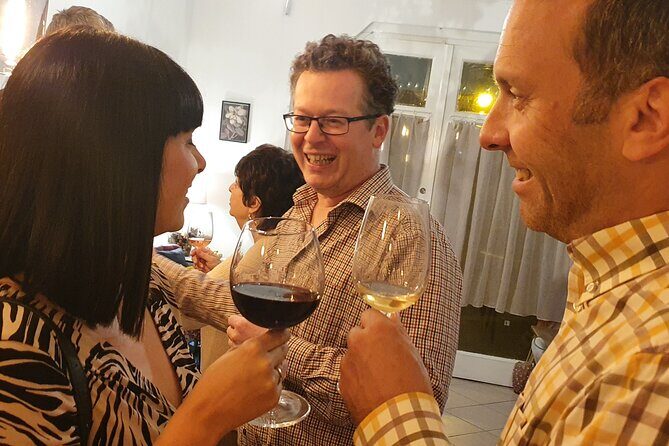
- 6+1 indigenous Hungarian whites plus a red selection, so you get real range, not one-note drinking
- Furmint context for Tokaj so you understand why it matters beyond the bottle label
- Tapas-style snacks (ham, sausages, cheese, olives, bread) to keep tasting comfortable
- A wine journalist and wine judge host with stories and producer connections
- Private, English-language format for your group only, with a 2-hour focus
- An end bonus wine moment is part of the flow, including a dessert-style pour in some sessions
Hungarian wine in Budapest: why this tasting is worth your time
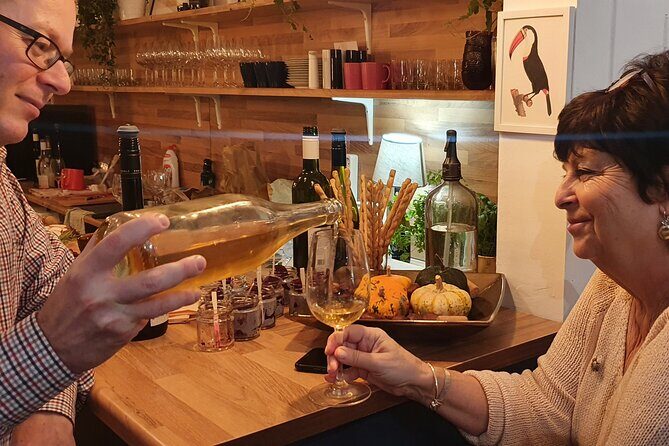
Budapest isn’t only about craft beer or ruin bars. Hungary is a serious wine-drinking culture, and this tasting gives you an easy way to understand why in a short window. The goal isn’t to overwhelm you with terms. It’s to show you the flavor logic behind Hungarian grapes and winemaking choices.
What makes this event feel practical is the structure: white wines first, then reds, with food throughout. You learn while your taste buds are still active, not dulled by waiting around or rushing to finish. If you like learning while you eat and drink, you’ll enjoy the rhythm.
And if you’ve never tried Hungarian wine, don’t worry. The tasting is built around wines that many people skip because they don’t know how to pronounce them or what to order. That’s exactly where the fun starts.
You can also read our reviews of more food & drink experiences in Budapest


Wine the Gap meeting spot: where the session actually happens
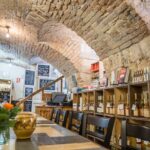
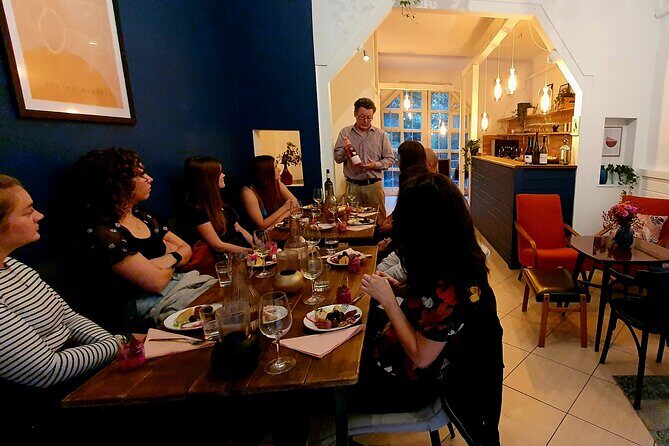
Your tasting starts at Wine the Gap Borbár és Rendezvénytér, Tompa u. 26, 1094 Budapest, and it ends back there. The bar sits in a nightlife-friendly street area, so the vibe is casual and social rather than formal.
For planning, that matters. You don’t need a complicated route across town. You can line it up with an evening out, then keep walking afterward if you want more Hungarian food and drinks.
Also, this is a private setup for your group only. That changes the experience: you’re not squeezed into a shared crowd, and questions feel easier to ask and answer in real time.
The 2-hour flow: how the tasting stays fun and focused
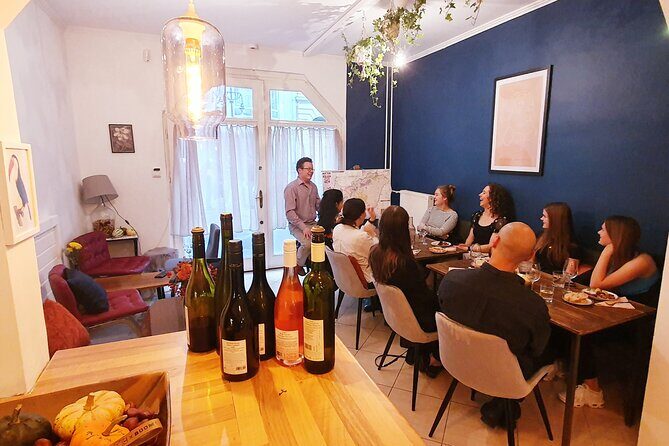
The format is about two hours, and it uses that time well. You’ll start with introductions—what you’re tasting and how Hungarian winemaking works—then move into a guided tasting sequence.
Here’s the part I think you’ll appreciate: the guide doesn’t treat this like a lecture. The explanations come right before and during the pours, and the tasting comparisons stay tied to flavor, not jargon. You’ll hear stories, including funny ones tied to the wines and producers.
Because it’s private, the pacing can feel tailored to your group. If you’re new to wine, you’ll still get the full arc. If you’re more experienced, you’ll get enough detail to make the tasting feel worth paying attention to.
One more practical note: the included snacks (tapas plates) help a lot with pacing. You won’t be white-knuckling through wine after wine. The food keeps the experience comfortable for people who don’t want to drink on an empty stomach.
The white wines: Cserszegi fűszeres, Hárslevelű, and Furmint for Tokaj lovers
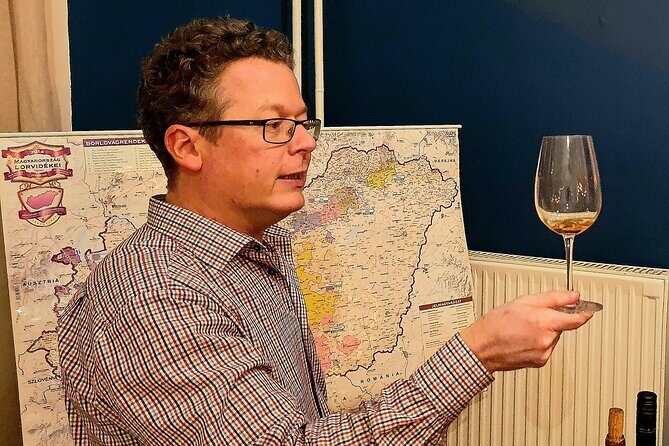
Hungary’s identity in wine often starts with white grapes. This tasting reflects that by focusing on 6+1 indigenous Hungarian white wines. That plus-one matters conceptually: it signals that you’re not just sampling random bottles—you’re following a deliberate tasting path.
You may taste:
- Cserszegi fűszeres (the sort of grape name that makes people laugh mid-tasting)
- Hárslevelű
- Furmint, the core grape linked to Tokaji Aszú
If you’ve heard of Tokaj but never understood the grape behind it, Furmint is your shortcut. The tasting ties the grape to how Hungarian sweetness and texture can work, and why Furmint plays a starring role.
What to listen for while you taste whites:
- Look for how the guide frames acidity and aroma, and how that changes from wine to wine
- Pay attention to the comparisons the host asks you to make—dry vs. lighter styles, and how each wine “sits” on the palate
- Notice that indigenous grapes often taste like they belong to a specific place, not a generic global style
This is where many first-time Hungarian wine drinkers change their minds. The wines aren’t trying to taste like French or German models. They’re showing you what Hungarian grapes do when they’re allowed to be themselves.
The reds: Kékfrankos, Kadarka, and Bull’s Blood
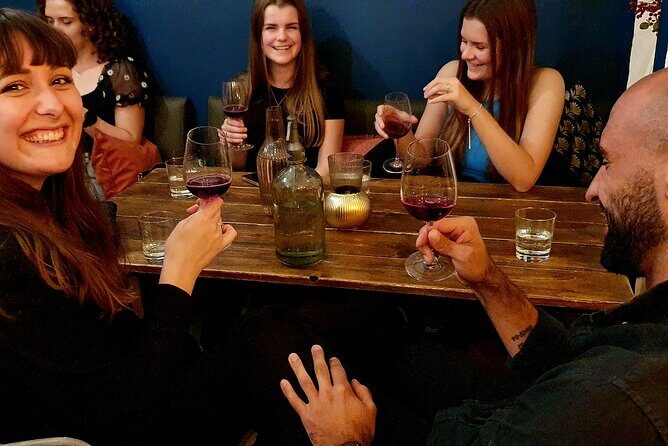
After the whites, the tasting shifts to reds, and the lineup is designed to show variety across Hungarian red styles. Expect wines such as:
- Kékfrankos
- Kadarka
- Bull’s Blood (often a reference point for a traditional Hungarian red style)
The best part here is contrast. Once you move from indigenous whites to these reds, you start noticing how Hungarian winemaking can express both freshness and depth depending on the grape and approach.
If you usually default to one red style back home, this is a good moment to break that habit. Kadarka, in particular, can surprise people who expect darker, heavier reds only. The guide’s explanations help you taste what’s going on instead of treating the glass like a mystery assignment.
You can also read our reviews of more private tours in Budapest





Snacks and pairings: tapas plates that keep your palate sharp
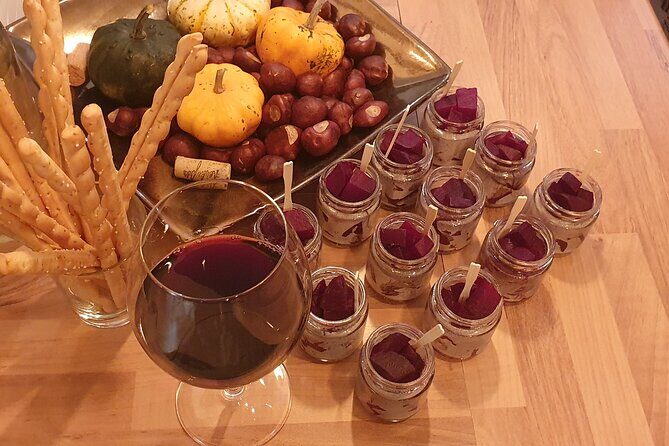
No hunger pangs is not a throwaway line here. Snacks are part of the experience, and they’re simple Hungarian-friendly tapas plates:
- ham and sausages
- cheese
- olives
- bread
That set works well because it doesn’t overpower the wine. Salty and fatty foods tend to work nicely across both whites and reds, and olives and bread keep you from feeling too stuffed or too empty.
You may also encounter a few extra food moments that can become a highlight of the night—one popular example is a Mangalica spread that some people end up taking home as a memory even if they can’t take it physically. (Keep your luggage in mind, because you’ll probably want to buy something after you fall in love.)
Who’s hosting: Miklós Csizmadia and what that means for your night
The experience is led by Miklós Csizmadia (you may hear him called Miki or Mickey in conversation). He’s not just a sommelier-style host. He’s a wine journalist and wine judge, and that background shows up in two ways.
First, he connects wines to producers and places, and he uses that context to explain what you’re tasting. Second, he tells stories—sometimes funny—that make the wines feel human and specific, not like tasting-room scripts.
There’s also a practical angle: the host has personal connections to wine makers. That matters because the selection often aims at wines you won’t automatically spot on typical menus.
And yes, the tasting includes wines that many people can only taste or buy at Michelin-star restaurants and top hotels in Budapest. You’re paying for more than glasses—you’re buying access to a higher-end selection plus the thinking behind it.
What you’ll learn about Hungarian winemaking (without a classroom vibe)
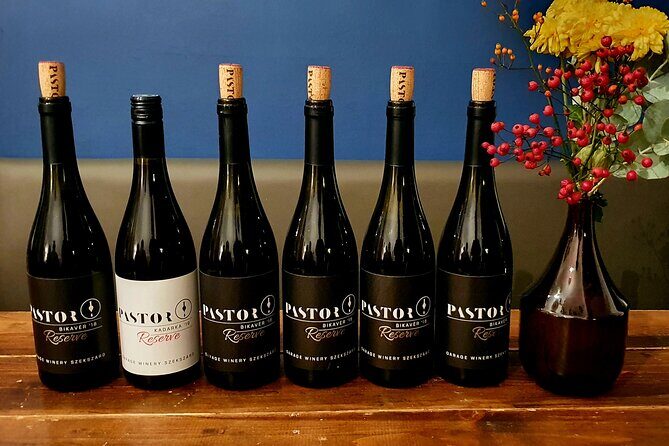
This is where the experience becomes more than drinking. You’ll learn about Hungarian wine production and its best wines, plus the bigger story of winemaking in the country.
You’ll get:
- a map of the main ideas behind Hungarian wine styles
- explanations that tie grape choices to flavors
- context for why certain grapes, especially Furmint for Tokaj, matter so much
You’ll also hear about traditions and tasting culture. One example that can show up in the session: fröccs, the classic Hungarian spritz style. In at least some sessions, the host makes it for the group, which turns the history part into something you can taste immediately.
If you’re a total beginner, you’ll likely walk away with the confidence to order more intelligently. If you’re already into wine, you’ll probably like the indigenous focus—this is less about proving you know labels and more about learning the grapes.
Value check: is $60 per person a fair deal?
At $60 per person for about two hours, the value comes from the whole package:
- multiple wines (including 6+1 indigenous whites plus reds)
- guided explanations from a wine journalist and judge
- included snacks that support the tasting
You’re not just paying for the alcohol. You’re paying for the guided comparisons and the selection choices that many people would struggle to find on their own in Budapest.
Also, it’s private, so you’re not splitting attention with strangers. That tends to matter if you want answers, not just background music and poured wine.
One more small signal: it’s commonly booked about a month in advance on average. That usually means the slot is popular with people who plan their evenings intentionally.
Who this suits best (and who may want to plan around it)
This tasting is a great match if:
- you want Hungarian wine specifically, not a general Central Europe sampler
- you like guided tastings that also explain the story behind the glass
- you want a short, high-impact activity that fits a Budapest evening
It can be less ideal if:
- you’re only interested in very mainstream international wines and aren’t curious about indigenous grapes
- you want a long sit-down meal experience (snacks are included, but it’s not a full dinner)
It’s also a solid choice for mixed groups. One reason: the host’s style tends to keep the mood light while still giving real wine information. If you’re traveling with someone who doesn’t usually care about wine, this format still has a chance to win them over.
Should you book this Budapest private wine tasting?
Yes, if you want an evening that feels authentically Hungarian and actually teaches you something. You’re getting an expert-led tasting with a lineup centered on indigenous grapes, plus snacks that keep you comfortable through the full sequence.
I’d especially recommend it if you’re a Furmint or Tokaj fan, or if you’re tired of tasting rooms that feel like they only sell safe choices. This one leans into the grapes and stories that make Hungarian wine feel distinct.
One last tip before you go: go hungry enough to enjoy the snacks, but not so hungry that you’re rushing. Then slow down. Let the guide’s comparisons do their job. That’s when Hungarian wine stops being a mystery and starts becoming a set of flavors you can name.
FAQ
How long is the private wine tasting in Budapest?
It runs for about 2 hours.
What does the $60 price include?
The tasting includes a guided session with Hungarian wines and snacks/tapas plates to accompany the pours.
Is this tour private?
Yes. It’s private, so only your group participates.
What language is the tour offered in?
It’s offered in English.
What wines will I taste?
The tasting focuses on Hungarian wines, including 6+1 indigenous Hungarian white wines such as Cserszegi fűszeres, Hárslevelű, and Furmint, plus red wines such as Kékfrankos, Kadarka, and Bull’s Blood.
Will there be food with the wine?
Yes. Snacks are provided, including tapas plates with ham, sausages, cheese, olives, and bread.
Where do I meet, and where does it end?
You start at Wine the Gap Borbár és Rendezvénytér, Tompa u. 26, 1094 Hungary, and the activity ends back at the meeting point.
Is a mobile ticket used?
Yes, you’ll receive a mobile ticket.
Is confirmation provided after booking?
Yes. Confirmation is received at the time of booking.
Can the host accommodate service animals and allergies?
Service animals are allowed. Also, the guide has shown accommodation for a nut allergy when it was mentioned.