REVIEW · BUDAPEST
Budapest City Walk in Jewish Quarter
Book on Viator →Operated by Budapest Jewish Walk · Bookable on Viator
A short walk turns into a long story. This Budapest Jewish Quarter walk turns the streets of District VII into a living map, with WWII history explained in a human way as you move from synagogue to memorial to everyday courtyard life.
What I like most is how the guide connects big events to the people who lived right here, and how you get real-world context for places you might otherwise just glance at. You also get a flexible pace, so the walk can slow down when something matters to you.
One thing to weigh: this is a walk with moderate walking, and some stops deal with heavy WWII material, so it’s not the “light and funny” kind of tour. Also, there can be a separate entrance fee for at least one synagogue.
In This Review
- Jewish Quarter on Foot: District VII Is Built for Walking
- How the Guide Makes It Personal (and Actually Useful)
- The Synagogue Triangle Stops: Kazinczy, Rumbach, and Dohány Street
- Kazinczy Street Synagogue area
- Rumbach Synagogue
- Dohány Street Synagogue
- Beyond Big Landmarks: Courtyards, Shops, and Gozsdu
- WWII Traces You Can Walk Past: Ghetto Wall, Stones, and Memorials
- Raoul Wallenberg Memorial Garden and the Emmanuel Tree
- The Jewish Museum and Jewish Archives Exhibitions
- Danube History at Human Scale: Shoes Monument
- Practical Stuff That Keeps the Walk Comfortable
- Kosher Meals and Food Planning That Doesn’t Stress You Out
- Price and Value: What You Get for $356.90 per Group
- Who This Tour Fits Best (and Who Might Want Something Lighter)
- Should You Book the Budapest Jewish Quarter City Walk?
- FAQ
- How long is the Budapest City Walk in the Jewish Quarter?
- How big is the group?
- Is hotel pickup included?
- What languages is the tour offered in?
- Are tickets or entrances included?
- Is there a lot of walking?
- Can the tour accommodate kosher meals or snacks?
- Is the cancellation policy flexible?
Jewish Quarter on Foot: District VII Is Built for Walking
Budapest’s Jewish Quarter is compact, especially on the Pest side where these sites cluster. That matters, because you’ll get a better sense of scale. When you’re walking, you naturally notice how close the community spaces were to the streets people used every day—and later, how brutal history unfolded within the same tight geography.
You’re also walking through layers. One block can feel like a quiet residential street. Then you turn a corner and you’re at a memorial with a story you can’t un-know. The tour is designed around that effect: it’s not only about checking sights off. It’s about seeing how the quarter’s layout shapes memory.
How the Guide Makes It Personal (and Actually Useful)
This is where the experience earns its high rating. The guides are professional and locally licensed, and the tone is conversational. In practice, that means you’re not stuck with a lecture. You’re moving, asking questions, and getting answers that tie back to what you’re seeing in front of you.
I love that this tour is built to give you both:
- History that stays understandable (especially for WWII-era events)
- Local “how people live” context so it doesn’t feel stuck in the past
Many guests specifically praised guides such as Timea Tarjani (sometimes mentioned as Timi/Tarjani) for mixing Jewish and Hungarian history with personal perspective. Even if your guide is someone else, the expectation is the same: warmth, clarity, and patience.
And if your group has different interests—synagogues, memorials, culture, daily life—the route can be adjusted. The tour aims for a clear overall picture, but it won’t feel like you’re trapped on rails.
You can also read our reviews of more city tours in Budapest


The Synagogue Triangle Stops: Kazinczy, Rumbach, and Dohány Street
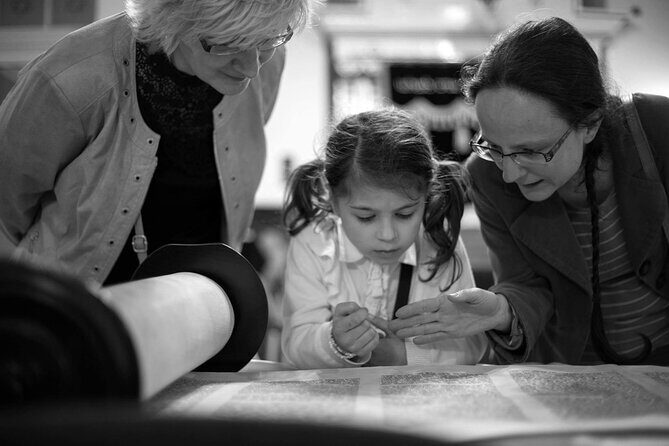
The walk’s core story lives in a “synagogue triangle.” You’ll visit major sites that show how the community organized faith, identity, and public life.
Kazinczy Street Synagogue area
Kazinczy Street is a key starting point for understanding the quarter’s texture. One standout detail here is the mention of the mikveh on Kazinczy Street. It’s the kind of site that explains why these communities weren’t only about holidays and big ceremonies. They were about daily rhythms and ritual life.
You’ll also get a sense that some places are visually impressive, while others are small and intensely meaningful. That contrast is part of what makes the tour click.
Rumbach Synagogue
Rumbach is part of why this walk feels better than a “one building and done” sightseeing plan. Each synagogue tells a slightly different story, and seeing them close together helps you understand the community’s variety—religious practices, architectural choices, and how Jewish life evolved in Budapest.
Dohány Street Synagogue
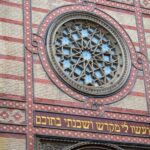
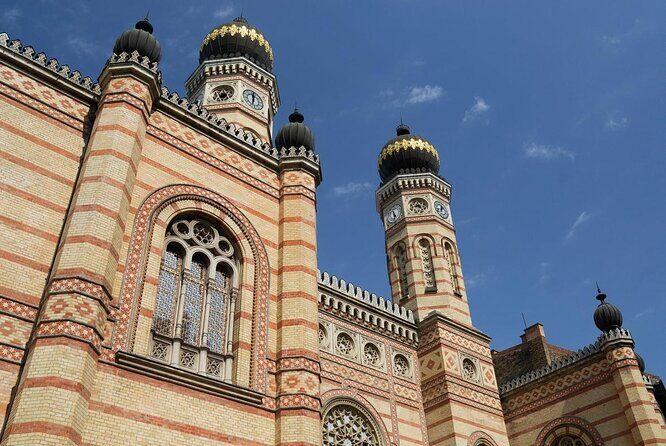
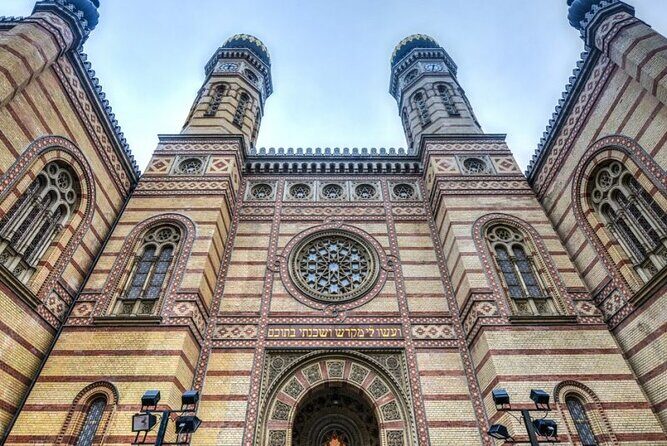
Dohány Street Synagogue is one of the most iconic sights in the quarter. It’s often on people’s lists before they arrive. The tour improves the visit by giving you context: what it represented, how it fit into the larger district, and what it connects to in WWII memory.
Because this is a walk that aims for context, your time at these stops tends to feel less rushed. You’re not just looking at a façade; you’re building a framework for why it’s there.






Beyond Big Landmarks: Courtyards, Shops, and Gozsdu
One reason I recommend this tour even to people who know Budapest well is that it doesn’t treat the quarter like a museum district. You’ll pass through places used by locals, where the quarter still functions as a neighborhood.
A few examples of what you can expect to see in the “everyday” category:
- Gozsdu Courtyard, with its built-in sense of community and activity
- Local shops, eateries, confectioneries, and small streets that feel lived-in
- Art galleries and café culture that makes the area feel current, not staged
- Ruin bars, including the famous Szimpla, where the atmosphere is part of how the quarter’s identity survived and transformed
This is also where the guide’s flexibility matters. If you want a moment to look around a specific street or you care more about how people socialize today, you can usually steer the pace.
WWII Traces You Can Walk Past: Ghetto Wall, Stones, and Memorials
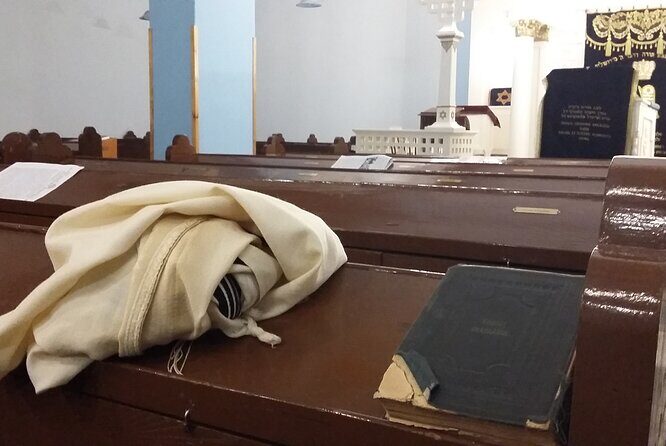
This is the part that turns a sightseeing walk into something heavier and more memorable. The quarter holds physical reminders of what happened during the Nazi occupation and the creation of the ghetto system.
You’ll see:
- Stumbling stones on the streets, small markers tied to individual victims and the broader tragedy
- The last remaining part of the WWII ghetto wall
- Carl Lutz Memorial
- Memorial-style stops that help you understand who tried to help and how rescue efforts were carried out
The ghetto wall piece is especially important because it’s not a theory anymore. It’s a remnant you can stand next to. Several guests also highlighted that the guide may have access to areas that are otherwise locked or hard to find—so you don’t just get street-level views.
Even if you’ve read about the Holocaust, I find it changes when you see the physical layout in person. Distances that seem short today weren’t short in human terms.
Raoul Wallenberg Memorial Garden and the Emmanuel Tree
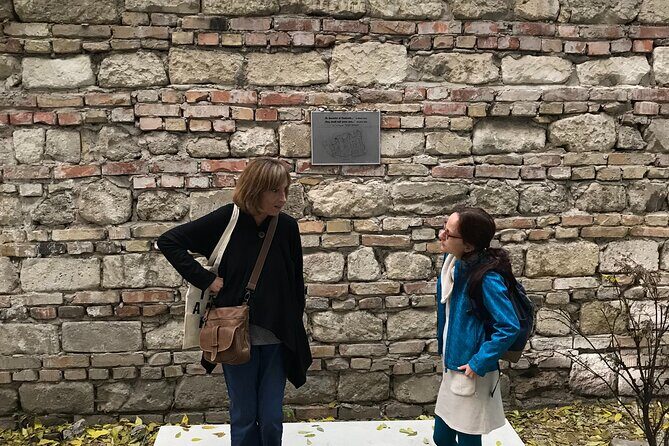
One of the more moving stops is the Raoul Wallenberg Memorial Garden, including the Emmanuel tree. This isn’t just a photo stop. The guide’s job here is to connect Wallenberg’s story to why the garden matters as a place of remembrance.
What I like is that the tour doesn’t let you treat it like a generic memorial. It explains the name, the context, and how the act of rescue fits into the quarter’s WWII narrative. That’s what keeps the stop from feeling like a quick pause before you move on.
The Jewish Museum and Jewish Archives Exhibitions
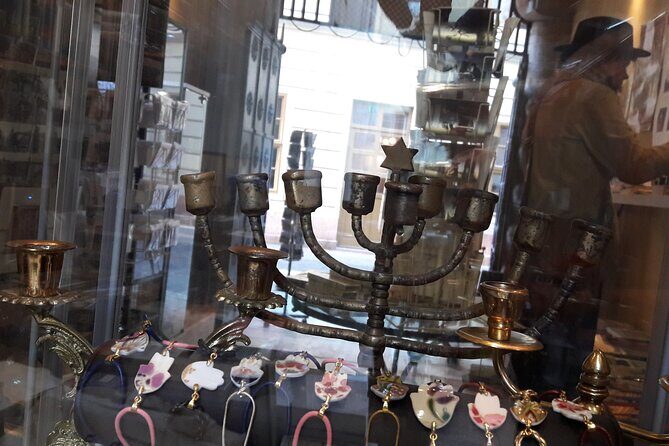
If you want more depth without doing the work alone, the tour can guide you through museum content tied to the Jewish community’s story.
You’ll visit:
- The Budapest Jewish Museum
- Exhibitions connected to the Jewish Archives
This is where the walk balances itself. The streets show you geography and memory. The museum spaces give you documents, interpretation, and a sense of chronology. Together, they keep the tour from feeling like “only impressions.” You come away with a clearer structure for what changed over time.
And because the tour is still a walking format, the museum stops tend to stay connected to what you’ve already seen outside.
Danube History at Human Scale: Shoes Monument
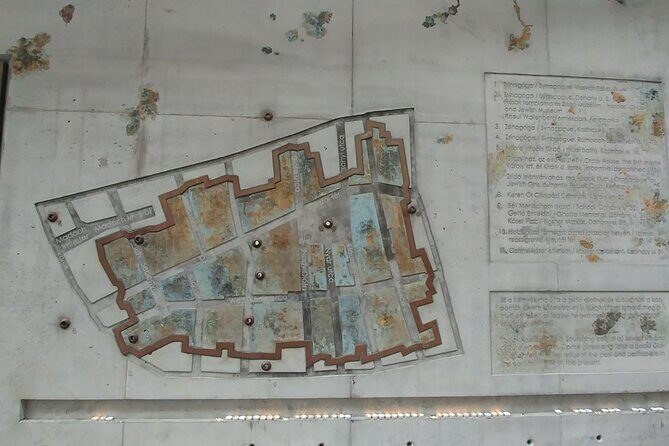
If you take one landmark seriously in Budapest’s Jewish Quarter story, make it the Shoes Monument at the riverbank of the Danube. It’s iconic, yes. But it lands harder when the tour has already walked you through why these sites exist.
The guide’s storytelling helps you read the scene correctly:
- You’re not just looking at an art installation
- You’re looking at a specific kind of memory that points back to violence and loss
- You understand the riverbank as part of the WWII story, not just a scenic river moment
I’ll be blunt: standing there after walking the quarter’s memorial points makes it hit differently.
Practical Stuff That Keeps the Walk Comfortable
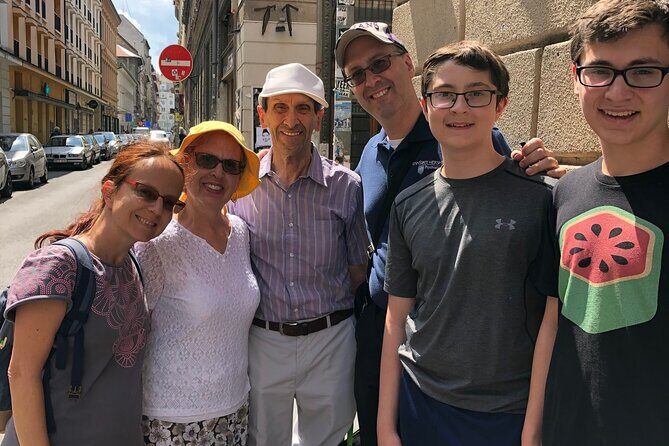
This tour involves moderate walking, and you can ask for breaks. That’s key. You’ll want time to process, take photos if you like, and not feel rushed between emotionally intense stops.
A few practical tips based on what the experience asks of you:
- Wear comfortable shoes with real traction. Cobblestones happen.
- If you don’t want to use synagogue-provided coverings, bring your own hat/cap and scarf.
- Dress respectfully for synagogue interiors.
- If you have questions about what you’re seeing, ask them. The format encourages it.
- Service animals are allowed, and the area is near public transportation if you’re joining on your own.
The pickup and drop-off make a big difference here. You don’t lose energy figuring out transit while your brain is already handling history.
Kosher Meals and Food Planning That Doesn’t Stress You Out
Food is not included, but the guide can help with planning. If you need kosher meals/snacks, the tour can arrange options. You can also get recommendations for where to eat, and the guide can help with booking a table at a local restaurant on the day of the tour or another day during your stay.
This matters if you want to keep your day flowing. Jewish Quarter walks can leave you hungry and a little emotionally drained. Good meal planning keeps the experience balanced.
Price and Value: What You Get for $356.90 per Group
At $356.90 per group (up to 6), the pricing can look high if you compare it to a basic bus tour. But it’s meant for a more personal experience: you’re getting a licensed local guide, a structured route in a compact area, and pickup/drop-off convenience.
Here’s the value math that helps:
- You’re paying for a guide who can translate history into what you’re standing next to.
- You’re not just seeing synagogues; you’re also getting memorial context, museum time, and local-life stops.
- Entrance fees are separate. The additional cost for entrances can reach €46.00 per person, and you can choose to visit one synagogue only, with possible discounts (family, senior, etc.).
One detail I really like: the tour caps the physical experience by organizing sites so you don’t feel like you’re running around for every single ticketed interior. You can focus on the key stops without stacking costs and stress.
Also, this is popular. It’s commonly booked about 77 days in advance, so if your dates are fixed, don’t wait.
Who This Tour Fits Best (and Who Might Want Something Lighter)
This walk is ideal if you:
- Want a history-heavy tour that still feels human and conversational
- Appreciate WWII context tied to real places in District VII
- Like synagogue architecture, ritual life, and why memorials matter
- Travel with teens or adults who ask questions and want thoughtful answers
It’s not the best fit if you:
- Dislike walking or need frequent rest stops without any flexibility
- Want only upbeat cultural stops and no heavy WWII material
- Prefer a purely sightseeing pace with minimal discussion
Should You Book the Budapest Jewish Quarter City Walk?
I think you should book it if you want Budapest’s Jewish Quarter to make sense, not just impress you. The mix of synagogues, memorial sites, museum context, and local-life streets gives you a full picture in one focused block of time.
The decision gets even easier if you care about tone. Multiple guests praised guides like Timea Tarjani for being warm, story-driven, patient with questions, and able to connect personal perspective to public history. That kind of guiding changes how you remember a place after you leave.
If you’re ready to walk, listen, and ask questions, this is a smart use of your time in Budapest.
FAQ
How long is the Budapest City Walk in the Jewish Quarter?
It runs about 4 hours.
How big is the group?
It has a maximum of 10 travelers, and the experience is designed for personalized attention.
Is hotel pickup included?
Yes. Pickup and drop-off are offered from your hotel (or you can meet at your accommodation).
What languages is the tour offered in?
The tour is offered in English.
Are tickets or entrances included?
Food and drinks are not included, and entrance fees are not included. Entrance costs can add up to €46.00 per person. You can choose visiting one synagogue only, and discounts may apply.
Is there a lot of walking?
There’s moderate walking. You can ask for breaks, and a moderate physical fitness level is recommended.
Can the tour accommodate kosher meals or snacks?
Yes. Kosher meals/snacks can be arranged if required.
Is the cancellation policy flexible?
Free cancellation is available. You can cancel up to 24 hours in advance for a full refund.