REVIEW · BUDAPEST
Budapest: Jewish District Private Walking Tour
Book on GetYourGuide →Operated by Travel Van Kft. · Bookable on GetYourGuide
Synagogues, murals, and stories in one tight walk. This private 3-hour tour is built for seeing the Jewish Quarter’s big landmarks and street-level atmosphere—Rumbach Street, Dohány Street, the Orthodox Kazinczy area, and the art that covers the neighborhood like memory made visible.
I love how the route connects places of worship, community institutions, and modern everyday life in a way that actually makes sense while you walk. A strong English-speaking guide (people have highlighted guides such as Eszter, Emi, Andy/András, and Gary) tends to keep the explanations clear and answer questions with real care.
One thing to plan around: synagogue interiors are optional and tickets aren’t included, and the buildings close on Friday afternoons, Saturdays, and Jewish high holidays. If you’re aiming for inside-the-synagogue time, you’ll want to time your visit and budget for entrances separately.
In This Review
- Key things to know before you go
- Why this 3-hour Jewish Quarter walk feels worth it
- Getting picked up in style, and dressing for synagogues
- Rumbach Street Synagogue: where restoration meets storytelling
- Dohány Street Grand Synagogue and the museum context you’ll want
- Raoul Wallenberg Memorial Garden: the stop that slows you down
- Gozsdu Court and Budapest street food energy (without the pressure)
- Szimpla Kert ruin bar: what the guide adds beyond the photos
- Kazinczy Street Orthodox Synagogue and Art Nouveau details
- Murals and underground street art: the neighborhood in plain view
- Price and logistics: is $229 per group up to 20 fair value?
- Who should book this tour, and who might skip it
- Should you book this Budapest Jewish District private walking tour?
- FAQ
- What’s included in the tour price?
- Are synagogue interior visits included?
- Where does the tour start?
- Is food or alcohol included?
- Which synagogues are part of the tour?
- Are synagogues open every day?
- Can I cancel or change plans?
Key things to know before you go
- Private and pickup-included: Your guide meets you at your hotel (or wherever you request) and you’re not squeezed into a big group.
- Two or more synagogue visits, with optional interiors: Exterior time is built in, and inside visits depend on hours and ticketing.
- Dohány Street’s Grand Synagogue is the centerpiece: It’s the biggest synagogue in Europe, so it sets the tone for the whole walk.
- Wallenberg’s Garden and the Tree of Life: A reflective stop that gives the story a modern human thread.
- Ruin bar culture at Szimpla Kert/Szimpla Garden: You’ll get the context, even though drinks aren’t included.
- Street art is part of the lesson: Expect murals and underground-style street art tied to the area’s identity.
Why this 3-hour Jewish Quarter walk feels worth it
Budapest’s Jewish Quarter can be a lot at once: beautiful buildings, complicated history, and a neighborhood that keeps changing. This tour works because it’s structured like a story you can follow on foot. In about three hours, you move from synagogue exteriors to major community sites, then to the street-food and bar zone, and end up where you can see how the area looks now.
You’ll also enjoy the private group format. Whether it’s just you and a friend or a small class group, your guide can pace the walk and handle questions in real time. That’s a big deal for a topic like this, where people often want context beyond surface facts.
You can also read our reviews of more walking tours in Budapest


Getting picked up in style, and dressing for synagogues
You start with one practical win: pickup is included. The guide meets you at your hotel lobby or wherever you request in advance, which saves time in a city where a few minutes can turn into a long detour.
Before you head out, check the simple rules:
- No luggage or large bags
- No sleeveless shirts
Those dress and bag limits matter because synagogues are part of the experience. If you show up prepared, you avoid that awkward scramble that turns a meaningful morning—or afternoon—into stress.
Rumbach Street Synagogue: where restoration meets storytelling
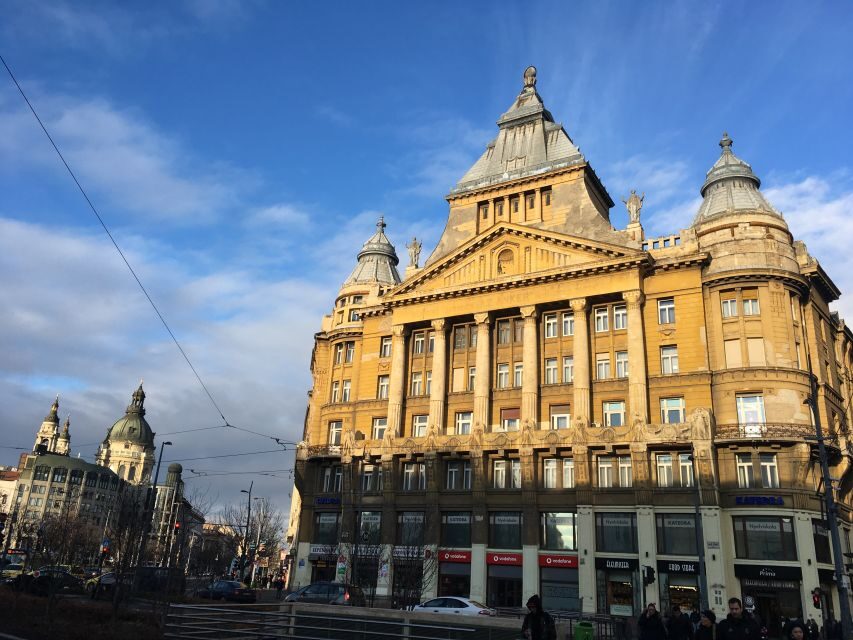
The tour’s first synagogue stop is on Rumbach Street, and it’s a great opener because it’s visually stunning and newly restored. You’ll be able to take in the building’s details while your guide explains the layers behind what you’re seeing—how the area’s religious and cultural life shaped Budapest, and how the physical space carries that memory forward.
Why this stop works early: your brain is still fresh, and your guide can set vocabulary and timeline before you hit the bigger sites. If you only visit one synagogue, the experience can feel like one chapter. Starting with Rumbach gives you a foundation.
Dohány Street Grand Synagogue and the museum context you’ll want
Next comes Dohány Street, home to the Grand Synagogue, described on this tour as the biggest synagogue in all of Europe. Even from outside, the building’s scale grabs your attention, but the real payoff is the explanation you get alongside it.
After that, the tour heads to the Hungarian Jewish Museum. This is where the “why” often clicks: you stop thinking only in architecture and start understanding the people and institutions that shaped the community over time. If you like history that connects to real spaces—rather than history that stays trapped in text—this museum stop is a key part of the value.
A strong point here: the guide can keep everything in chronological order, which multiple people have praised. When a story flows, you remember more, and you feel less like you’re just checking boxes.
Raoul Wallenberg Memorial Garden: the stop that slows you down
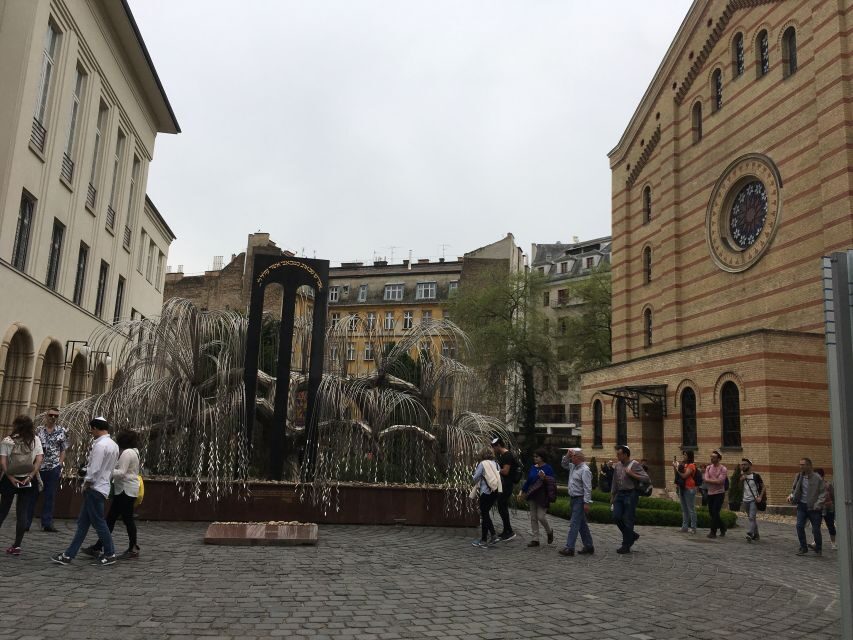
One of the most memorable segments is the Raoul Wallenberg Memorial Garden and its Tree of Life monument. This part shifts the mood from architecture and community institutions to individual courage and human impact.
It’s also a practical breather. A walking tour moves fast by default, and this stop gives you space to slow down without losing the theme. Even if you’re not a “memorial” person, you’ll likely appreciate how it connects the past to a recognizable moral thread: what people chose to do, and what that means long after the headlines fade.
You can also read our reviews of more private tours in Budapest






Gozsdu Court and Budapest street food energy (without the pressure)
After the synagogue and museum focus, the tour moves toward Gozsdu Court, known as the food-and-beverage district area. This is a smart pivot: you get to see how the Jewish Quarter lives today, not just how it looked on historic postcards.
You can expect the guide to connect food culture and nightlife with the neighborhood’s modern identity. The only caution is simple: food and drinks aren’t included on this tour. That’s not a dealbreaker—just means you should come with either (1) enough time to buy something you actually want, or (2) curiosity to browse and treat it as part of the vibe rather than a guaranteed meal stop.
Szimpla Kert ruin bar: what the guide adds beyond the photos
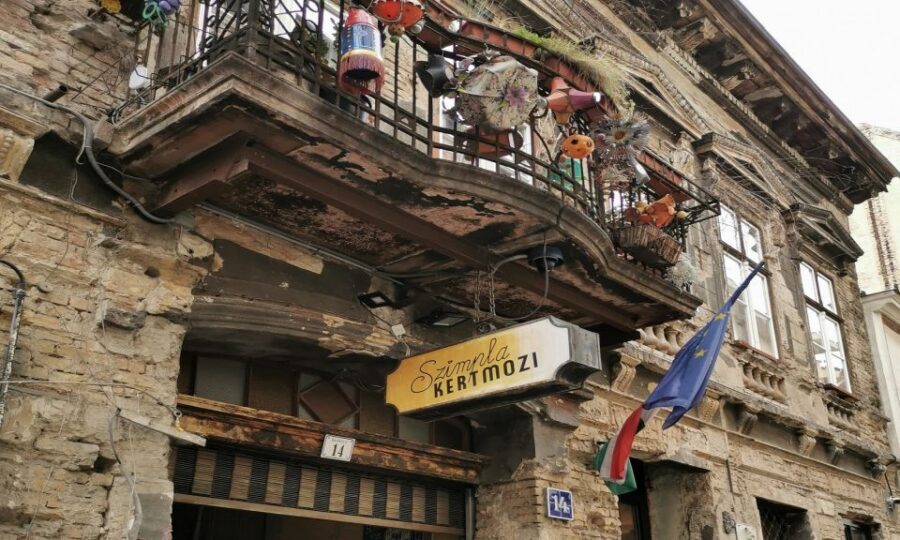
Then comes the ruin bar side of the neighborhood: Szimpla Kert (you may also see it referred to as Szimpla Garden). This is famous for a reason, and it’s also a good “translation” moment—your guide helps explain what ruin bar culture represents, how it fits into Budapest’s creative scenes, and why this kind of space has become part of the Jewish Quarter’s modern story.
Here’s what you can do with this stop:
- If you like people-watching, you’ll get that easily
- If you like social history, the guide’s context matters more than ordering a drink
- If you want food or alcohol, plan to purchase it yourself since it’s not included
It’s one of those stops where the visuals are already impressive, but the explanation makes it stick.
Kazinczy Street Orthodox Synagogue and Art Nouveau details
The tour finishes with the Kazinczy Street Orthodox Synagogue, highlighted for its Art Nouveau architecture. The exterior details are fun to spot, but what’s even better is the option to explore inside—assuming it’s open and you have the right entrance arrangements.
If you’re the type who notices patterns—arches, ornamentation, layout—this is likely to be one of your favorite parts. It’s also a nice contrast to the larger Grand Synagogue stop: same neighborhood, different architectural language and community expression.
The interior visit is optional, and tickets aren’t included, so if this is a must-see for you, don’t leave it to chance. Make sure you’re set for entrances in advance.
Murals and underground street art: the neighborhood in plain view
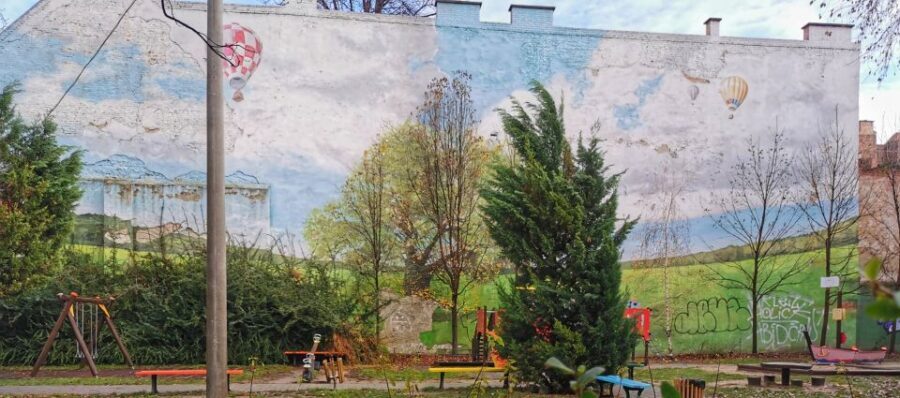
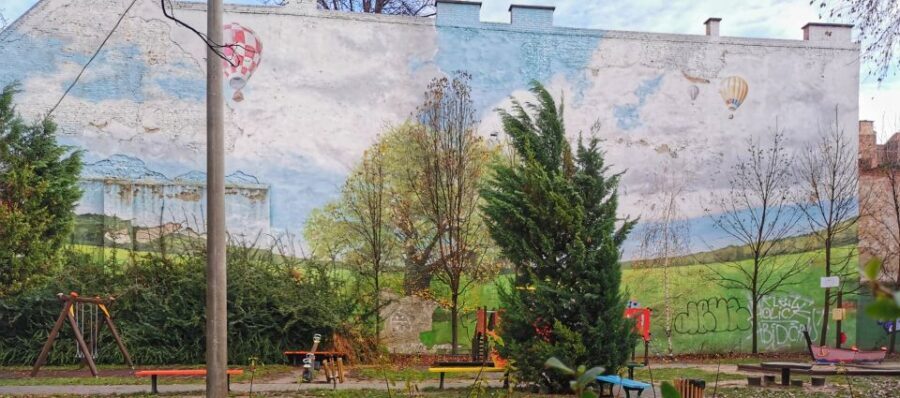
Across the whole walk, you’ll see famous murals and underground street art in the Jewish Quarter. For me, this is where the tour becomes more than landmark sightseeing. Street art isn’t just decoration; it’s a sign that the neighborhood’s identity isn’t frozen in the past.
Your guide’s job here is to connect what you see to the broader story—who uses these spaces now, what the visuals communicate, and why the Quarter’s modern layer matters. If you’re even slightly into art, this part is what turns the tour from informative into memorable.
Price and logistics: is $229 per group up to 20 fair value?
At $229 per group (up to 20 people) for a private three-hour walk, the value depends on your group size and what you care about.
Here’s how to think about it:
- You’re paying for a live English-speaking guide and private coordination, not just admission to buildings.
- Pickup is included, which saves time and friction.
- You get skip-the-ticket-line for relevant entrances, but entrance tickets themselves aren’t included, and synagogue interior access is optional.
So the math tends to work best if:
- You’re traveling with a group (even a small one)
- You want more than a basic self-guided stroll
- You’ll actually use the guide for context while you’re at each site
If you’re going solo and only want the exterior views, the cost might feel steeper—because the biggest value is the explanation and optional interior choices.
Also keep in mind the time window: synagogues are closed on Friday afternoons, Saturdays, and on Jewish high holidays. If your dates land on a closure day, you’ll still get a strong walking experience, but your interior goals may change.
Who should book this tour, and who might skip it
This tour is a great match if you want:
- A structured walk through major Jewish Quarter sites in limited time
- Clear explanations delivered in English, with room for questions
- A mix of sacred spaces, museums, and modern neighborhood culture (ruin bars, murals, street-level energy)
It’s especially appealing for people who like their history tied to real streets, not just walls behind glass. Multiple guides have been praised for flexibility and for keeping the experience interactive, which is a big plus when you care about details.
You might consider a different option if:
- You’re only interested in quick photo stops and don’t want a guided narrative
- You’re traveling on a day when interior access is unlikely due to closures, and your main goal is only inside visits
Should you book this Budapest Jewish District private walking tour?
If you want a thoughtful, guided way to see the Jewish Quarter’s most important stops without wasting time figuring things out, I’d book it. The combination of major synagogues, the Hungarian Jewish Museum, the Raoul Wallenberg Memorial Garden with the Tree of Life, plus the modern neighborhood stops (Gozsdu Court and Szimpla Kert) gives you a full-feeling picture in a manageable 3-hour window.
Just be honest about one thing: if you want synagogue interiors, plan for separate entrance tickets and watch the closure schedule. Do that, and you’ll get a walk that feels like you understood the neighborhood, not just visited it.
FAQ
What’s included in the tour price?
The tour includes a live English-speaking guide and hotel pickup (the guide meets you at your hotel lobby or wherever you request in advance). Entrance tickets, food, and drinks are not included.
Are synagogue interior visits included?
Interior visits of the synagogues are optional, and entrance tickets are not included in the price.
Where does the tour start?
The guide meets you at your hotel lobby or another requested meeting point in advance, then you begin the walk in the Jewish Quarter area.
Is food or alcohol included?
No. Food and drinks aren’t included. You can stop around the Gozsdu Court and ruin bar area, but you’ll pay for anything you order.
Which synagogues are part of the tour?
You’ll visit Rumbach Street’s synagogue first, then the Grand Synagogue on Dohány Street, and later the Kazinczy Street Orthodox Synagogue.
Are synagogues open every day?
Synagogues are closed on Friday afternoons, Saturdays, and on Jewish high holidays. That can affect whether you can visit interiors.
Can I cancel or change plans?
Yes. There’s free cancellation up to 24 hours in advance for a full refund, and you can use reserve and pay later to keep plans flexible.