REVIEW · BUDAPEST
Budapest: Private Food Tour – 10 Tastings with Locals
Book on GetYourGuide →Operated by Withlocals · Bookable on GetYourGuide
Food first, landmarks right after. This private Budapest tour strings together 10 local tastings with stops at places like Great Market Hall, Szimpla Kert, and the Great Synagogue, so you learn the city through what you eat. Guides like Nick, Beata, and Tibi are praised for mixing food with smart context that makes the snacks make sense.
I especially love the pairing: classics like chimney cake and lángos, then city sights in between, so the walk feels purposeful, not random. I also like that you get a real sense of Hungarian flavors you might miss if you only order off a menu on your own. One drawback to think about is that this is a walking-focused tour and it is not suitable for mobility impairments or wheelchair users.
In This Review
- Key things that make this tour worth your time
- Why a private food route makes sense in Budapest
- Starting outside Great Market Hall: the smell test begins
- The 10 tastings: what you’ll actually get to try
- Chimney cake and lángos: the classics you should not skip
- Szimpla Kert: food, drinks, and ruin-bar energy
- The Great Synagogue and the Jewish Quarter context
- How your guide turns tastings into a real story
- Vegetarian-friendly without shrinking the fun
- Price and value: is $206 fair for what you get?
- Getting the most out of it: smart prep before you meet
- Who should book this tour, and who should skip it
- Should you book the Budapest Private Food Tour with 10 Tastings?
- FAQ
- FAQ
- Where does the tour start?
- How long is the tour?
- What’s included in the price?
- Is the tour vegetarian-friendly?
- Is pickup from your hotel included?
- What language is the tour guide?
- Is this tour private?
- What should I wear or bring?
- Is the tour suitable for wheelchair users?
Key things that make this tour worth your time
- 10 tastings in 3 hours keeps you fed without turning the day into a long food marathon
- Great Market Hall as a starting point means you hit the local food pulse early
- Chimney cake and lángos at proper local spots instead of generic versions
- City highlights built into the route (Szimpla Kert, Great Synagogue, and more)
- Vegetarian option with an adapted menu if you tell your guide at the start
- Private pacing and customization: guides tailor the flow to your interests and comfort level
Why a private food route makes sense in Budapest
Budapest rewards people who mix neighborhoods with good timing. This tour does that by treating food as the anchor, then using famous stops as the “walk-and-learn” breaks. In just three hours, you get enough variety to understand what locals actually reach for, not just what tourists hunt down.
The private format matters more than you might think. You are not stuck with a rigid script when a guide can guide you through crowds, answer questions, or adjust the day if a place is closed. Several guides (like Beata and Gabor) were praised for making the route feel smooth and personal.
And yes, you do end up with that very happy problem: you’ll be deciding what to try first, not whether you can fit it all in. Bring comfortable shoes. Your feet will do the planning for you.
You can also read our reviews of more food & drink experiences in Budapest


Starting outside Great Market Hall: the smell test begins
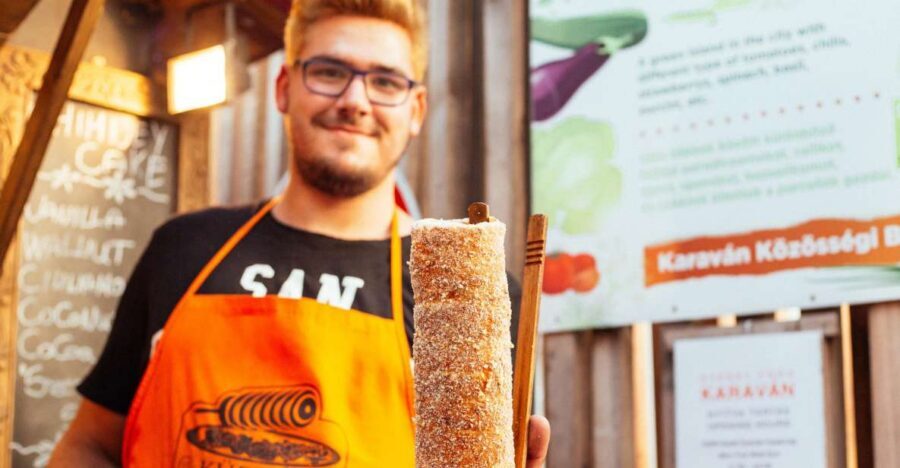
The meeting point is right outside the entrance of the Great Market Hall, so you start where a lot of the city’s food energy lives. From there, the tour uses the market and nearby streets to ease you into Hungarian staples before you go further afield.
What I like about beginning at the market is the sensory contrast. You see the variety quickly, then your guide helps you focus on what to taste and why it’s popular. One thing that came through clearly in guide feedback: Beata was specifically praised for navigating the crowd and keeping the tour moving so you do not lose the main tasting momentum.
If you’re visiting Budapest for the first time, this is also a good “anchor stop.” You’ll have a reference point for later photos and sightseeing. Even if you only hang onto one memory, it is likely to be the market vibe plus the first savory bite.
The 10 tastings: what you’ll actually get to try
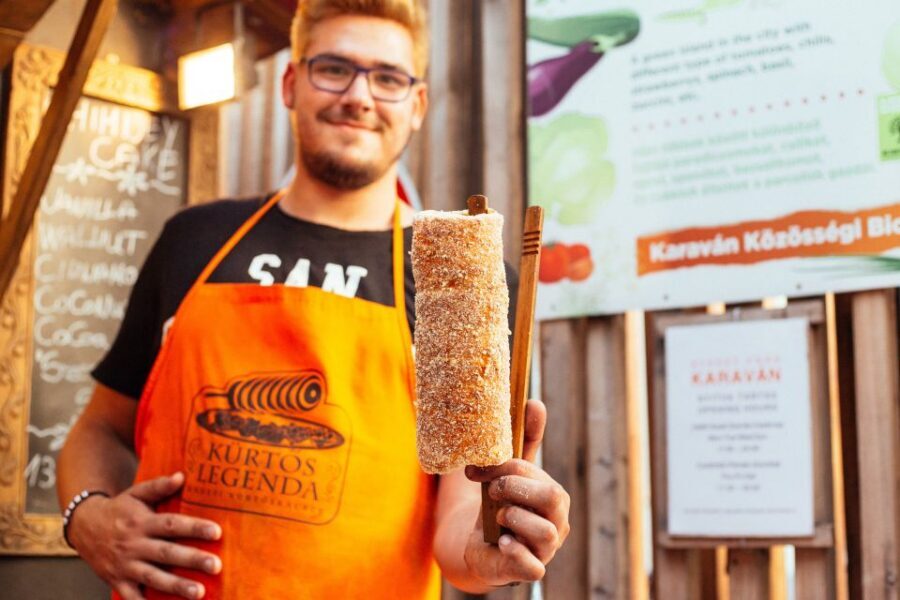
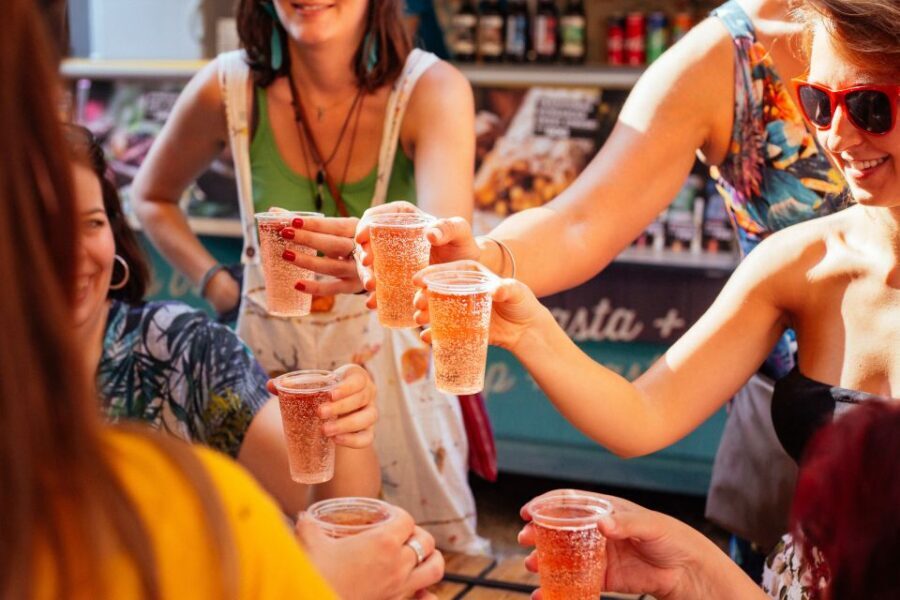
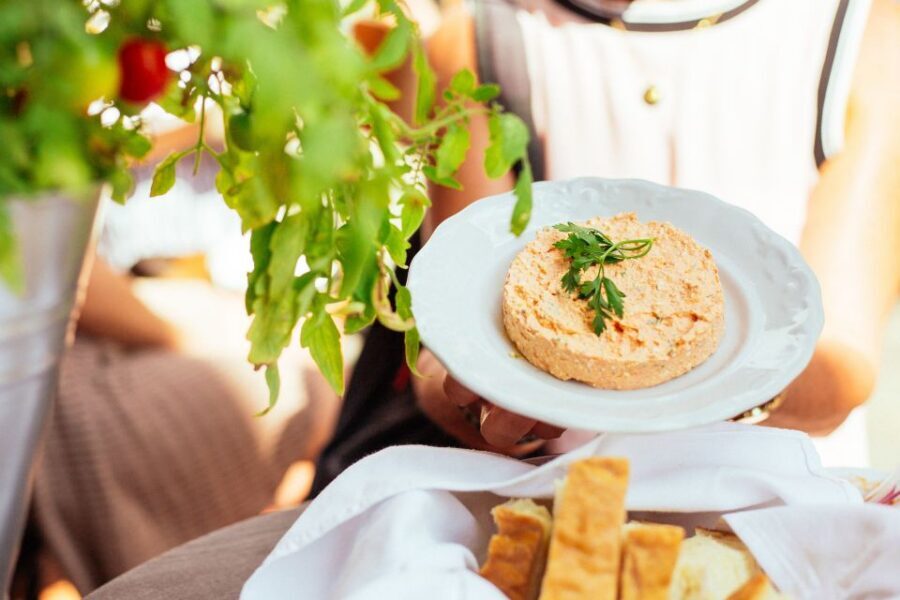
This is built as a true tasting tour, not a sit-down meal. You should expect a mix of savory foods, sweet bites, and local drinks—enough variety to cover the main flavor lanes of Hungary without making you choose just one category.
Two items are called out as big highlights: chimney cake and lángos. These can be hard to judge from a distance, because they’re best when they’re fresh and handled right. On this tour, you’re guided to places that focus on doing the classics properly.
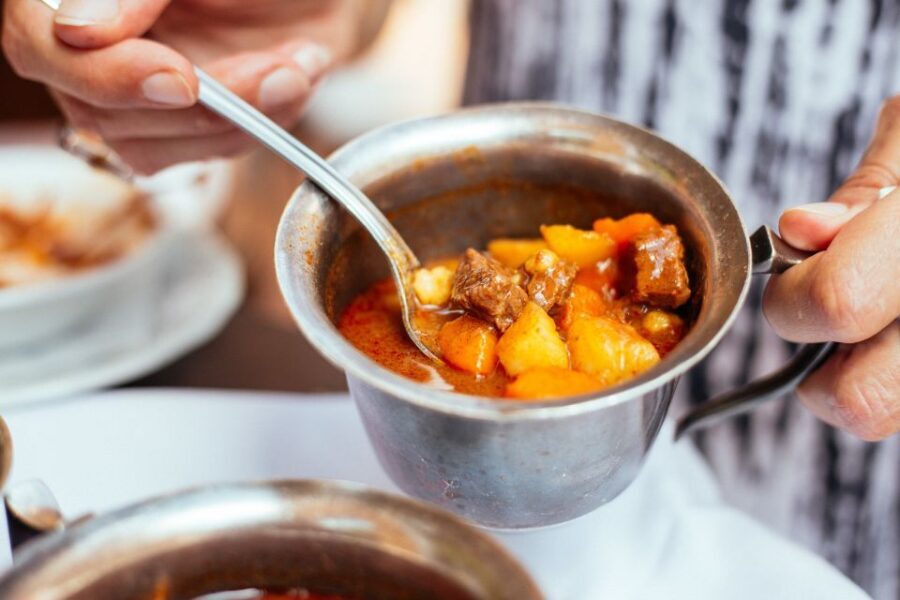
From the feedback, you’ll also get a stronger appreciation for how Hungarian food leans into creamy elements like sour cream and hearty comfort dishes like goulash soup. Guides also talk about paprika in a way that actually helps you taste what you’re eating—hot, sweet, smoky, and more styles than you’d guess.
A practical note: you will likely feel satisfied by the end of the tour. One guide was praised for keeping guests full without wasting time. With 10 tastings in three hours, you should plan to treat this as a meal substitute rather than a snack stop.
Chimney cake and lángos: the classics you should not skip
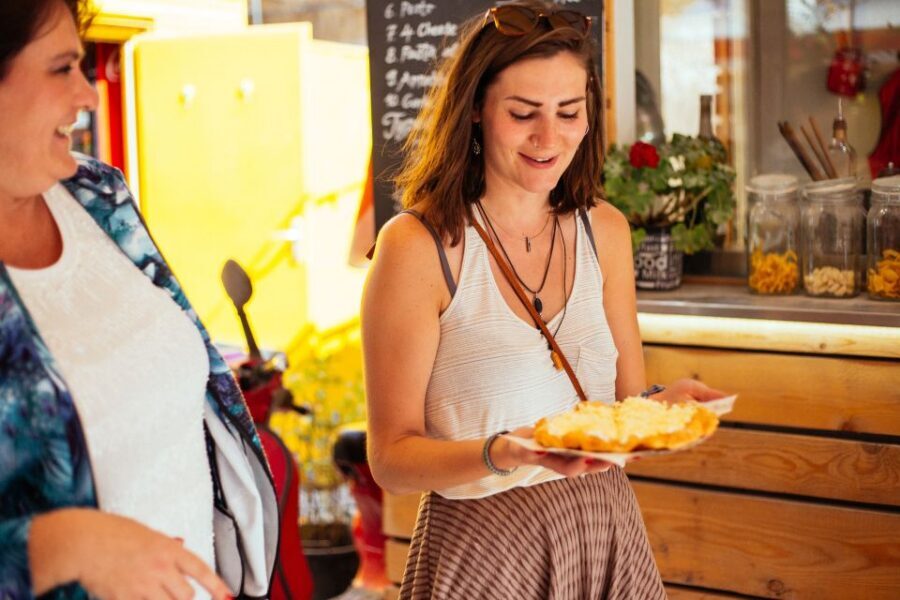
Let’s talk about the two headline snacks, because they’re not just names.
Chimney cake is all about texture and timing. It is typically served warm, and that matters. When it’s done well, you get that combination of crisp outside and tender interior, plus toppings that make it feel like dessert and street food in the same bite.
Lángos is more than a casual fried snack. It’s a Hungarian staple with toppings that can range from simple to indulgent depending on where you go. The big point for you is that tasting lángos on a guided route increases your odds you’ll try it at the style locals prefer—not just the most convenient tourist version.
The value here is not only the foods themselves. It’s the explanation that comes with them. Several guides were praised for adding the history and cultural reasons behind the dishes, which helps you remember what you ate instead of just counting calories.
Szimpla Kert: food, drinks, and ruin-bar energy
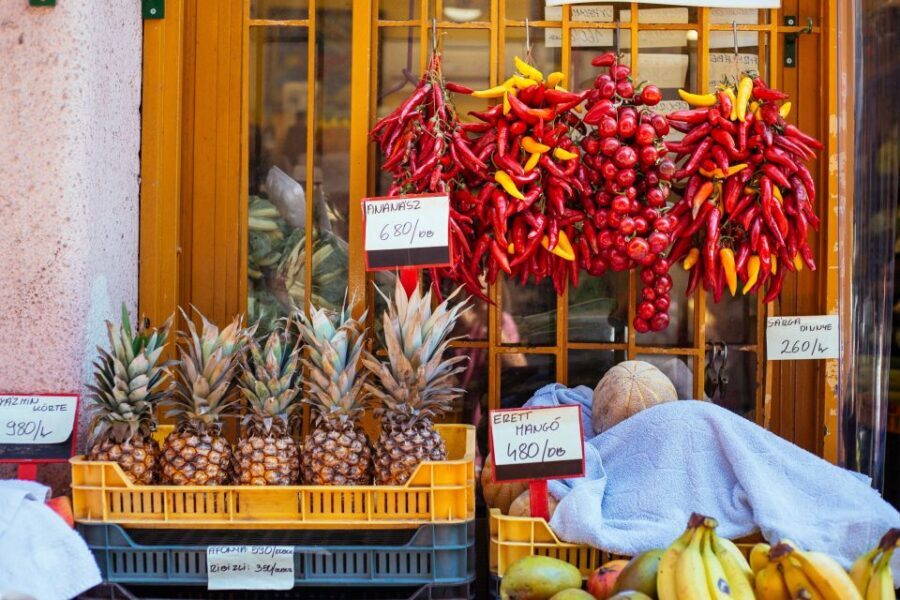
Szimpla Kert is one of those Budapest stops that people love for a reason: it feels like a cultural crossroads. On this tour, it’s not treated as a photo stop only. You connect it to what you’re tasting, so you understand why the area is a go-to social spot.
Even if you’ve never heard of ruin bars before, you’ll catch the mood quickly—especially because food tours are naturally slower and more sensory than typical sightseeing. One guide was also praised for handling Sunday options creatively: Szimpla Kertmozi can turn into a farmers market during the day and then shift back to a bar scene later. That kind of flexibility is exactly what you want from a private guide.
This stop also works well as a palate reset. After heavier savory bites, the setting—and the drinks you may try—helps you keep enjoying food instead of just powering through it.
You can also read our reviews of more tours and experiences in Budapest




The Great Synagogue and the Jewish Quarter context
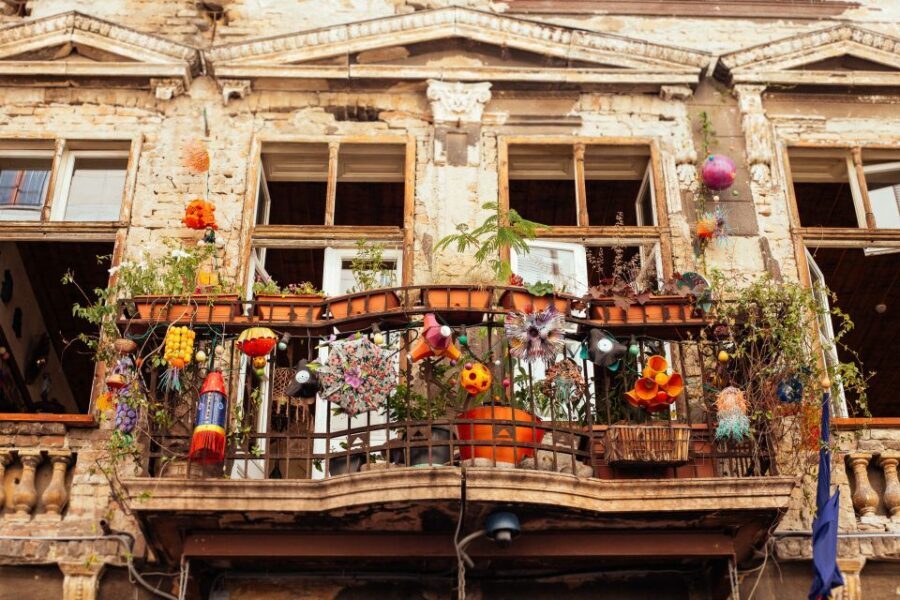
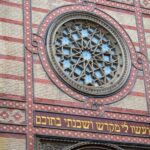
The tour doesn’t only chase food. It ties tastings to place, and one of the major cultural anchors is the Great Synagogue. You’ll stop to see it and learn about its relevance while your guide keeps the focus on what makes the neighborhood meaningful.
This matters because Budapest’s cuisine is not just regional cooking—it’s also shaped by communities, trade, and everyday life. When a guide connects what you eat to where people lived and gathered, the experience becomes more than a checklist.
In at least one route variation, guides used public transport to reach the Jewish Quarter area, then brought the day back to food with bites like mici at an outdoor food court. You might not get the exact same add-ons every day, but the idea is consistent: your route uses the city’s structure to keep tastings timely and efficient.
How your guide turns tastings into a real story
This tour lives or dies on the guide, and the feedback is strong on that point. People repeatedly praised guides like Nick, Tibi, and Emoke for being both friendly and strong on context—history, culture, and why certain flavors became favorites.
You’ll also notice patterns in what they’re good at:
- History that connects to food, not history as a lecture
- Good pacing, so you do not feel dragged from stop to stop
- Practical choices, like where crowds will slow you down and how to keep the tasting flow
One guide, Gabor, was specifically described as customizing the afternoon based on interests and food issues, which is a big deal for a food tour. If you care more about sweets, you should expect the guide to nudge you that direction. If you’re picky or have restrictions, the guide should help you stay in the comfort zone without losing the main Hungarian highlights.
Vegetarian-friendly without shrinking the fun
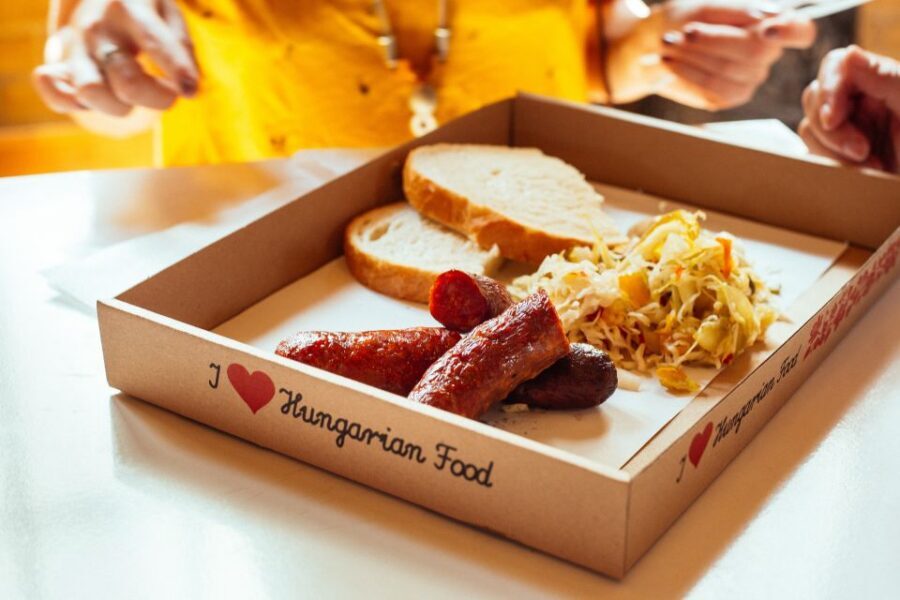
The tour explicitly offers vegetarian alternatives, and the key detail is how it’s handled. You let your local guide know at the beginning, and the menu gets adapted.
That approach is what you should look for. Vegetarian tours can sometimes mean replacing real local meals with generic filler. Here, the promise is that the tastings stay tied to typical Hungarian cuisine, just adjusted so you can eat comfortably.
If you’re vegetarian (or simply prefer not to eat meat), this is a smart way to learn the Hungarian food identity. You’ll still get the classic sweet-and-savory rhythm, including items like chimney cake and the sorts of sides and sauces that show up in Hungarian dishes.
Price and value: is $206 fair for what you get?
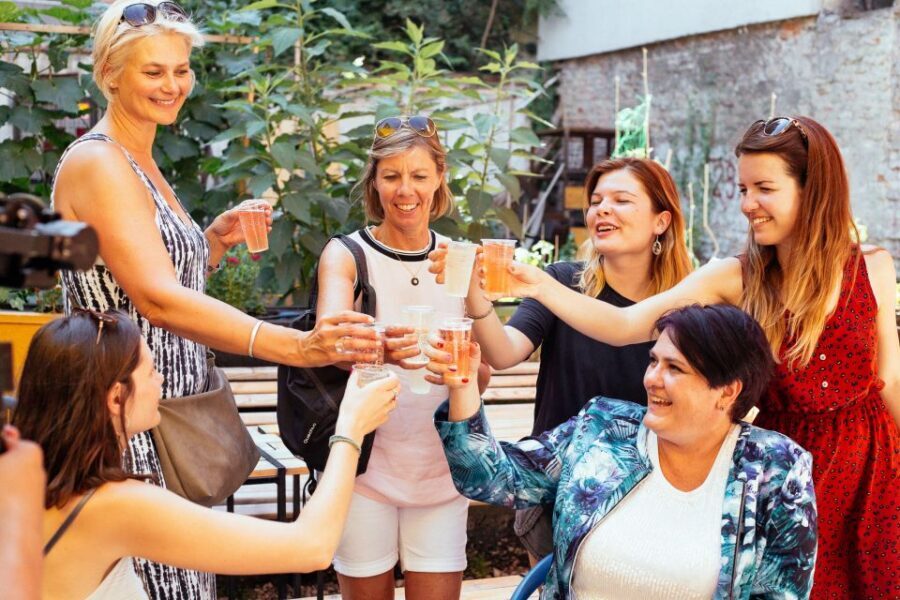
At $206 per person for a 3-hour private tour with 10 tastings, you’re paying for three things at once: guide time, local sourcing, and the convenience of not having to plan each food stop yourself.
Here’s the value logic that makes sense for you:
- You’re not just buying snacks; you’re buying expert selection of what to taste in a short window.
- You’re also buying context, which turns food into a memory you can explain later.
- The private format helps you spend less time figuring out how to get to each place and more time eating.
If you compare it to pricing for a couple of full meals plus a guide, it can still feel reasonable—especially because the tastings are meant to replace a meal. The tour is also short enough to fit into a first or second day schedule, when you’re still figuring out where everything is.
One more angle: you’re paying to avoid the common “food tour mistake,” which is ordering familiar food in unfamiliar settings. Instead, you’re directed toward classic Hungarian items like chimney cake and lángos and the drinks that go with them.
Getting the most out of it: smart prep before you meet
This tour is simple, but it helps to show up ready.
Bring comfortable shoes. You’ll be walking between food stops and city sights, including market and landmark areas. If you’re prone to getting cold in cities, consider a light layer too, since your time is outdoors more than you might expect for a “food” activity.
Also, go in hungry—but not feral. With 10 tastings, you want enough appetite to enjoy everything, not so much that you feel sick when the second or third savory bite lands.
If you have dietary needs, tell your guide right away. Vegetarian options exist, but you’ll get the best outcome when the guide can adapt immediately at the start.
Who should book this tour, and who should skip it
This fits best if you:
- Want Hungarian food highlights in a short window
- Like learning through food and place, not through museum-only stops
- Prefer a private pace with a guide who can answer questions and adjust the flow
- Travel with curiosity about culture, including Jewish Quarter context and landmark history
Skip it if you:
- Need wheelchair access or mobility accommodations, since it is not suitable for people with mobility impairments
If you’re a first-time visitor, this tour is a particularly efficient way to orient yourself. You’ll leave with both tastes and location anchors you can reuse when you explore on your own.
Should you book the Budapest Private Food Tour with 10 Tastings?
I’d book it if you want a focused, local-food experience that also makes Budapest’s landmarks feel connected to daily life. The biggest strengths are the mix of classic Hungarian tastings (including chimney cake and lángos) and the way the route adds city highlights like Szimpla Kert and the Great Synagogue.
I’d think twice if you want a purely sightseeing tour with lots of long viewpoints, because this one is built around eating and walking between stops. And if mobility is a concern, you should choose an itinerary designed for accessibility.
If you match the “comfortable walking + hungry curiosity” profile, this is a strong value way to eat your way through Budapest in just three hours.
FAQ
FAQ
Where does the tour start?
You’ll meet your host outside the entrance of the Great Hall Market.
How long is the tour?
The tour lasts 3 hours.
What’s included in the price?
The tour includes a local guide and 10 food and drink tastings (with vegetarian options available).
Is the tour vegetarian-friendly?
Yes. Vegetarian alternatives are available, and you should tell your local guide at the beginning so the menu can be adapted.
Is pickup from your hotel included?
No, hotel pickup and drop-off are not included.
What language is the tour guide?
The tour guide speaks English.
Is this tour private?
Yes, it’s a private group experience.
What should I wear or bring?
Wear comfortable shoes, since it’s a walking-focused tour.
Is the tour suitable for wheelchair users?
No. It is not suitable for people with mobility impairments or wheelchair users.