REVIEW · BUDAPEST
Budapest: Inner City Walking Tour in German
Book on GetYourGuide →Operated by Tourist Angel · Bookable on GetYourGuide
Budapest has a knack for quick lessons. In two hours, you’ll cover big architecture, big monuments, and the kind of history you feel in your feet. This is a German-speaking walking tour through Pest’s inner city that strings together iconic sights like St Stephen’s Basilica, Liberty Square, and the Hungarian Parliament area.
I like how practical and focused it is: you get a professional local guide and a route built around landmarks, not wandering. Two stops I genuinely love are St Stephen’s Basilica—especially its massive dome and colonnade—and the monumental setting around the Hungarian Parliament building.
One thing to consider: it’s a short, packed walk in 2 hours, so you’ll move at a steady pace. If you’re the type who likes long photo pauses and slow museum-style reading, you may want extra time on your own right after.
In This Review
- Key Highlights You’ll Actually Care About
- Why This “Inner City” Walk Works in Just Two Hours
- Meeting Up at Molnár’s Kürtöskalács (And Getting Oriented Fast)
- Elizabeth Park and the Budapest Eye: A Gentle First Stretch
- St Stephen’s Basilica: The Dome Moment You’ll Remember
- Through Pedestrian Streets: Culture, Not Just Coordinates
- Liberty Square: Where the Tour Turns Serious
- Kossuth Square and the Hungarian Parliament Building: The Story Behind the Setting
- Shoes on the Danube Bank: A Poignant Finish (Or a Calm Alternative)
- What Makes the Guides Stand Out (And Why You’ll Feel It During the Walk)
- Who This Tour Suits Best (And Who Might Want Something Else)
- Value Check: Is $23 a Good Deal for This Route?
- Should You Book This Budapest German Walking Tour?
- FAQ
- Where is the meeting point?
- How long is the tour?
- What language is the guide?
- What key sights are included?
- Is the tour wheelchair accessible?
- How much does it cost?
Key Highlights You’ll Actually Care About
- German-speaking professional guide who keeps things clear and answers questions well
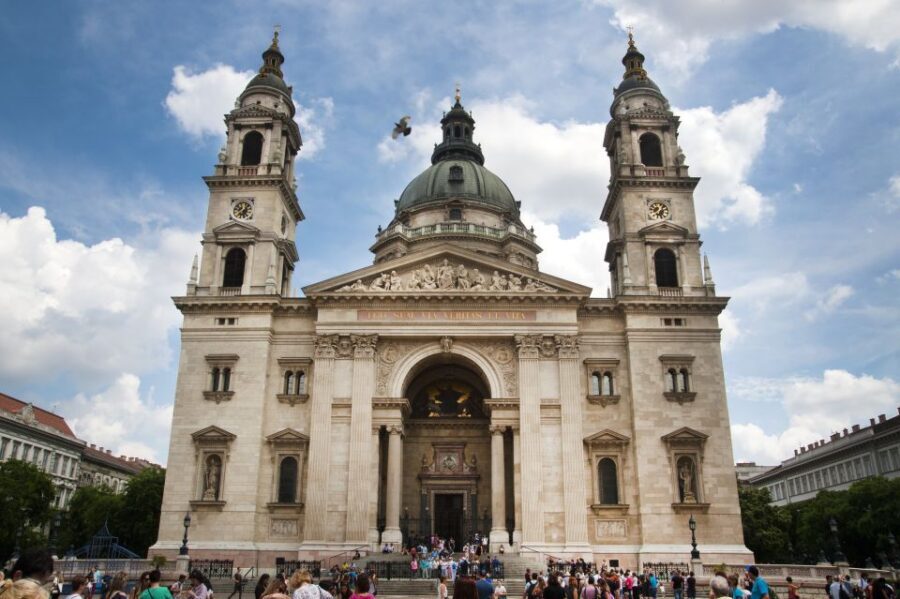
- St Stephen’s Basilica with its standout dome and colonnade as a main anchor
- Liberty Square + Kossuth Square where the tour connects architecture with hard 20th-century stories
- Hungarian Parliament building area viewed through the surrounding squares and monuments
- Shoes on the Danube Bank as a moving end (or a calm Danube stroll if you prefer)
Why This “Inner City” Walk Works in Just Two Hours
This tour is designed for people who want Budapest fast but not shallow. You’ll get a tight overview of Pest’s famous inner-city architecture, including the 19th-century feel, plus dramatic landmarks that define the skyline. The route also keeps a relaxed city-center rhythm, so it doesn’t feel like a race—more like a well-paced highlight reel on foot.
For me, the value isn’t only the sights. It’s the way the guide connects them, especially at Liberty Square and the Parliament area. You come away with a clearer sense of what this city endured and why certain memorials matter so much.
At $23 per person for a 2-hour guided walk, it’s also one of those rare deals where you’re not paying for “just a viewpoint.” You’re paying for direction, context, and a local who knows how to explain Budapest without turning it into homework.
You can also read our reviews of more walking tours in Budapest


Meeting Up at Molnár’s Kürtöskalács (And Getting Oriented Fast)
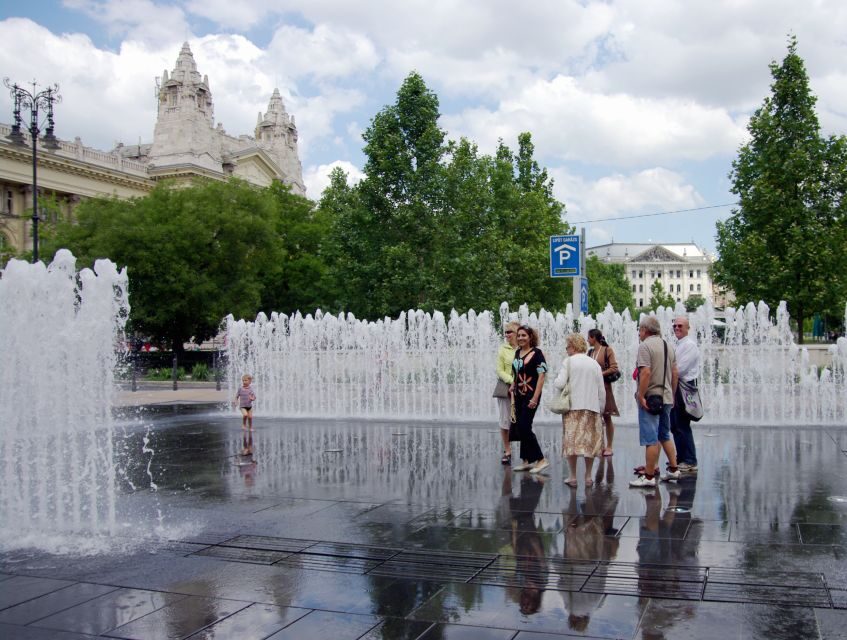
Your tour meets in front of the café/pastry shop Molnár’s Kürtöskalács. That’s a smart start point because it’s easy to find in the inner city and it gets you out of “where do I stand?” mode.
Tip: arrive a few minutes early and use that time to settle your walking shoes. The itinerary is built around outdoor stops and squares, so you’ll want to be comfortable before you start.
If you’re starting Budapest with this tour, it also works as a practical orientation. Even if you’re not a history buff, you’ll learn the “layout logic” of Pest—where the major monument clusters sit and how they relate to the Danube.
Elizabeth Park and the Budapest Eye: A Gentle First Stretch
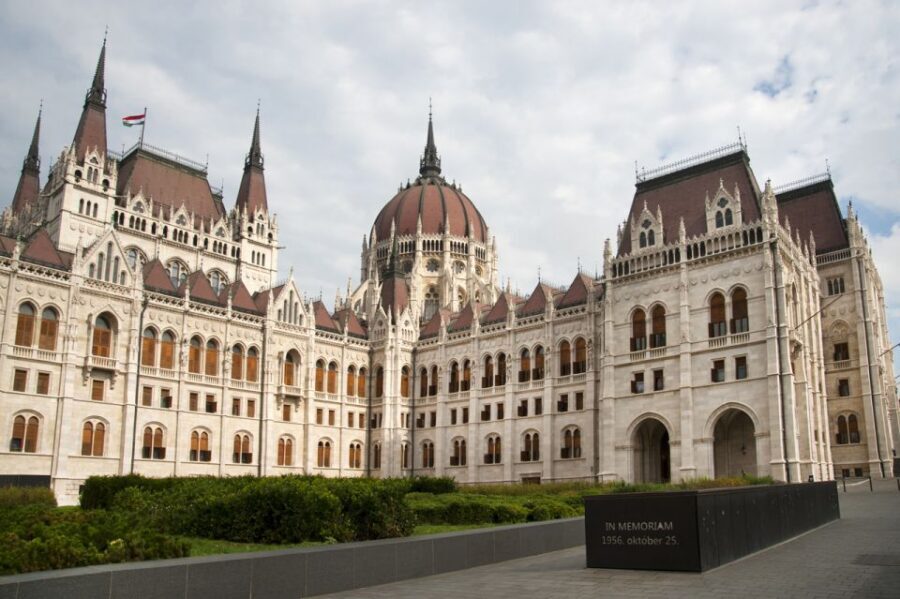
You kick things off with a stroll through Elizabeth Park and a view of the Budapest Eye, Europe’s largest Ferris wheel. This is a good warm-up section because it sets the tone: beautiful city views and familiar landmarks, before the route turns into heavier history.
The park-and-ferris-wheel start also gives you an easy win for planning. Once you’ve seen where this area sits in the broader city picture, you’ll have an easier time understanding where later stops connect.
This is also where you’ll feel the “inner city walking” style of the tour. It’s not about climbing hills or chasing far-off attractions. It’s about staying in the core and getting a clean, connected route.
St Stephen’s Basilica: The Dome Moment You’ll Remember
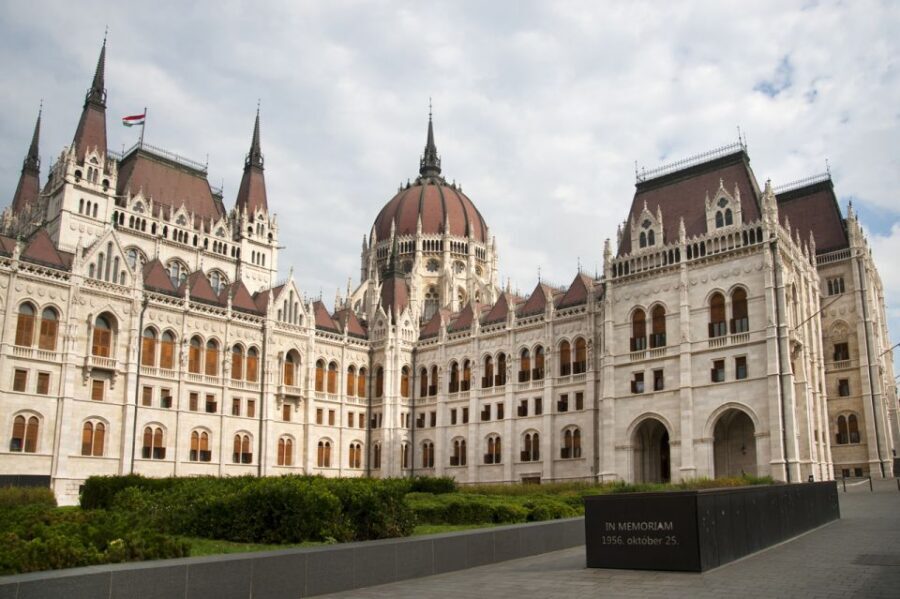
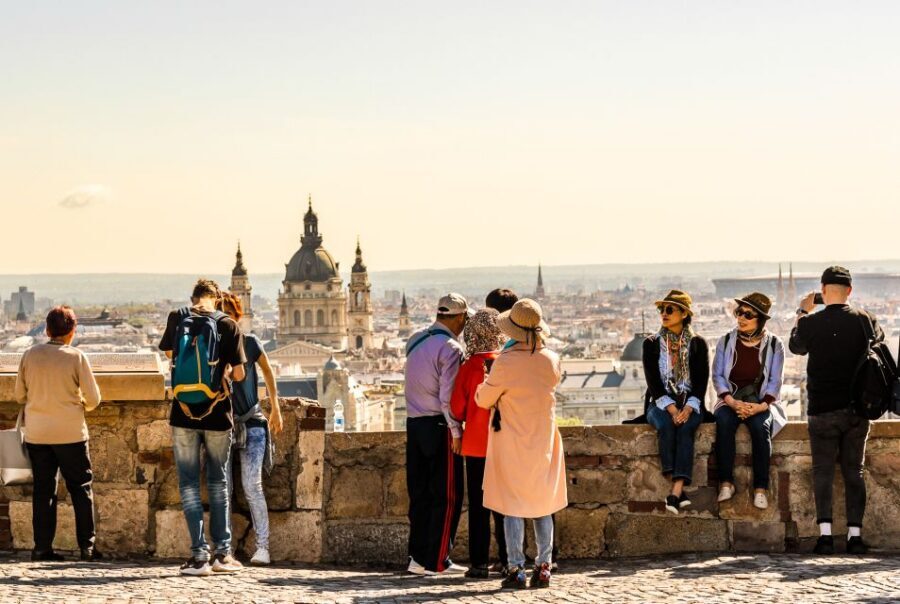
After a short walk, you reach St Stephen’s Basilica, one of Budapest’s most monumental buildings. The guide keeps it focused on what you’re looking at: the dome and the colonnade are the visual anchors here.
This stop is the tour’s big “wow” pause. Even if you’ve seen photos, being in front of the basilica makes the scale click. It’s one of those places where the building feels like it’s defining the whole neighborhood rather than simply sitting in it.
A practical note: because this is a top sight, you’ll want to keep your eyes on the guide’s timing. The best value comes when you don’t just stand there—you follow the story as you move along the structure and the surrounding area.
Through Pedestrian Streets: Culture, Not Just Coordinates
Next, you continue through traditional pedestrian streets. This part matters because it changes the pace. After the big building stop, you get smaller-scale “day-to-day Budapest,” where the city feels walkable and lived in.
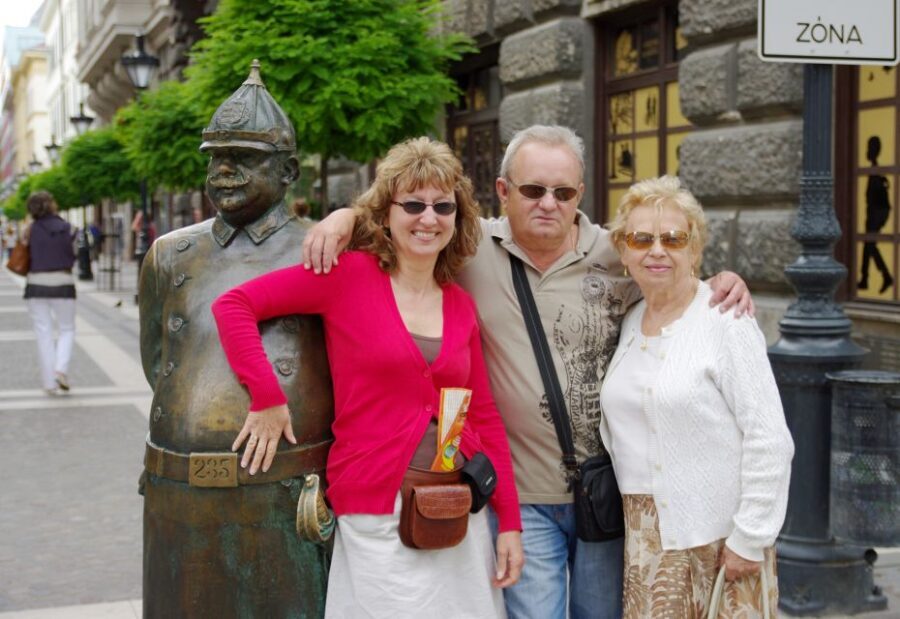
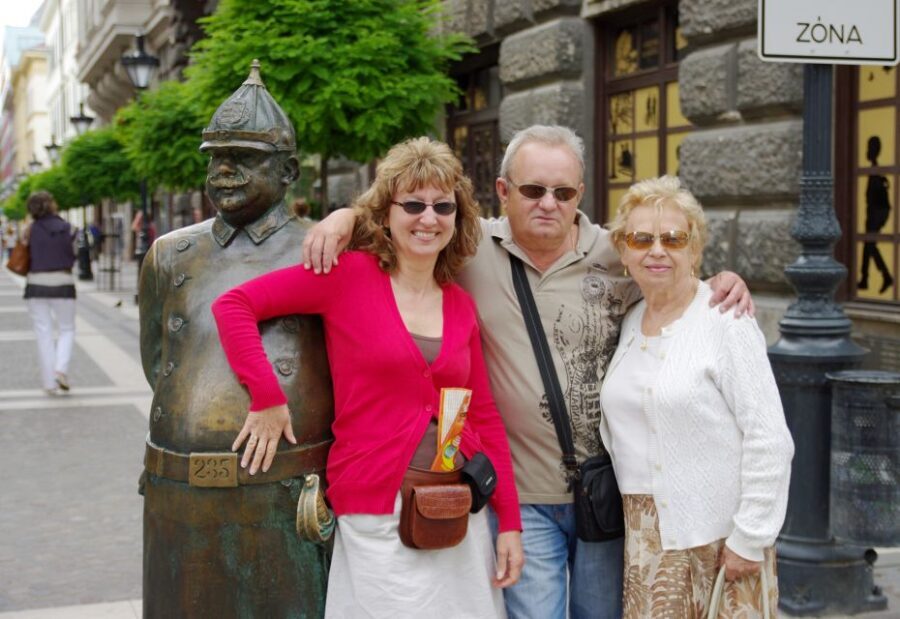
You’ll also see the statue of Mr. Safe, which is exactly the kind of light, fun moment that keeps a history-heavy day from turning into a lecture. It’s the sort of stop that helps you remember the walk as a whole, not only the heavy topics.
If you’ve ever done sightseeing where everything is grand and serious, this section is refreshing. It keeps your brain from overheating and makes the later memorial stops hit with more weight.
You can also read our reviews of more city tours in Budapest






Liberty Square: Where the Tour Turns Serious
At Liberty Square, the guide explains Budapest’s traumatic past, including its role as a center of Nazi occupation and Communist oppression. This is where the tour becomes more than architecture.
I appreciate how this is handled in the route. The memorial-and-history part comes after you’ve already built context with major city sights. That sequence helps it land: you’re not hearing big stories from a blank space—you’re standing in a city that still shows the impact.
This isn’t the time to multitask. If you’re the kind of person who takes photos nonstop, consider putting the camera down for a minute. Let the guide’s explanation do what it’s meant to do.
Kossuth Square and the Hungarian Parliament Building: The Story Behind the Setting
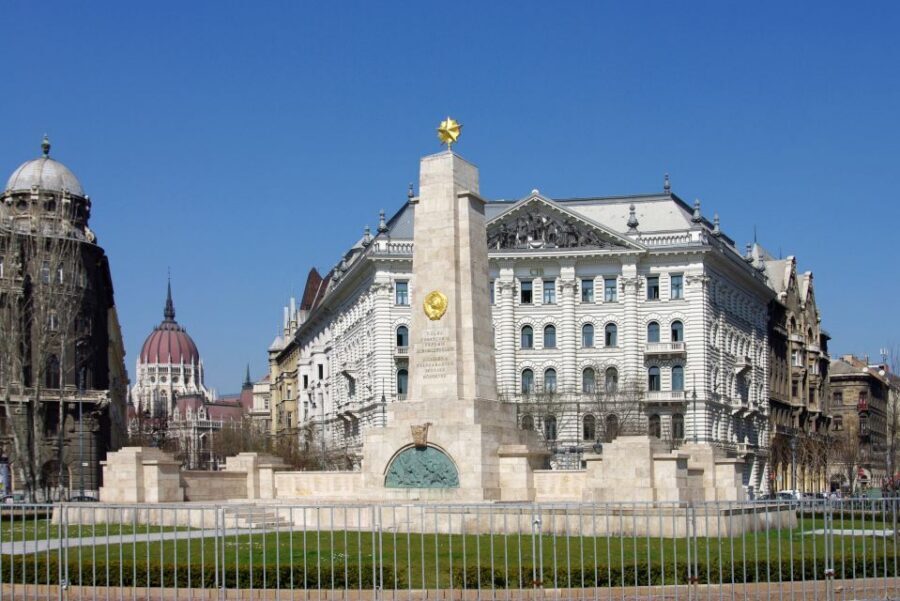
The tour finishes at Kossuth Square with sights around the Hungarian Parliament building. This part is built for atmosphere: you’re surrounded by a major political landmark, and the guide shares stories about dictatorship and the 1956 revolution.
Here’s what makes this stop valuable for real travelers: you can understand the building from the outside, but you’ll only understand the building’s meaning with the added context. The square-and-monument framing helps you see why this location is more than a postcard.
If you’re short on time in Budapest, this is also a smart choice. You get a dense overview of the city’s most important political and cultural symbols without needing to plan separate visits.
And yes—this is still a walking tour, not a sitting tour. Expect to look, move, and absorb.
Shoes on the Danube Bank: A Poignant Finish (Or a Calm Alternative)
After the Parliament-area stop, you’ll either visit the Shoes on the Danube Bank monument or enjoy a stroll along the river banks. Both options keep the final stretch connected to the Danube, so the ending feels cohesive rather than abrupt.
This is one of those memorial stops where the emotion is the point. The monument is described as poignant, and that’s exactly how it tends to feel when you’re standing there rather than reading about it.
If you’d rather keep it lighter at the end, the Danube stroll gives you a breather. Either way, you’ll walk away with a calmer “aftertaste” than if the tour had ended in a busy shopping street.
What Makes the Guides Stand Out (And Why You’ll Feel It During the Walk)
The biggest strength here is the guide experience. People consistently highlight thoughtful pacing, clear explanations, and a guide who adapts to your questions and needs. On this kind of tour, that makes a huge difference. Without it, you’d just be moving between famous spots. With it, you learn how the parts connect.
In the feedback, guides like Zsóka and Uschi come up with particular praise. That tells you the guiding style isn’t robotic. It’s personable, charming, and focused on helping you understand the big picture without losing the human angle.
I also like that the tour can feel personal even in a group setting. There are enough stories and small insights to make the history feel less distant, which is a major win when you’re only out for two hours.
Who This Tour Suits Best (And Who Might Want Something Else)
This walking tour fits you if you want:
- a German-language guided highlights route
- a fast but meaningful overview of central Pest
- a blend of architecture, monuments, and 20th-century context
- a guided plan that helps you stop at the right places without guesswork
It might not be the best match if:
- you need a slower pace with lots of standing time
- you don’t do well with history-focused stops
- you prefer a “pure sightseeing photos” approach only
For most people—especially first-timers—it’s a strong way to get oriented quickly and learn what matters in the city’s center.
Value Check: Is $23 a Good Deal for This Route?
Yes, and here’s why. You’re paying for a professional guide, a route that covers multiple landmark clusters, and real context that helps those landmarks mean something. $23 for 2 hours is the kind of pricing that usually only works when the route is tight and efficient—and this one is built that way.
You’re also not just seeing one building. You’re seeing a sequence: park views to basilica grandeur to pedestrian streets to Liberty Square’s heavy history to Parliament-area storytelling to the Danube memorial or river finish. That’s a lot of structured sightseeing for the time.
If you’re budget-conscious, this is also a good “starter tour.” Even if you later do deeper visits on your own, you’ll know what to prioritize.
Should You Book This Budapest German Walking Tour?
Book it if you want a compact, high-impact walk that mixes iconic architecture with guided historical context. It’s especially worth it for German speakers who appreciate a guide-led route that helps you understand what you’re looking at—not just where it is.
Skip or consider another option if you hate paced walking, prefer unguided wandering, or want only light sightseeing with no political-history stops. For the rest of us, this is a smart first-or-second-day plan in Budapest’s center.
FAQ
Where is the meeting point?
You meet your guide in front of the café/pastry shop Molnár’s Kürtöskalács.
How long is the tour?
The walking tour lasts 2 hours.
What language is the guide?
The tour is guided in German.
What key sights are included?
You’ll see Elizabeth Park and the Budapest Eye, St Stephen’s Basilica, the statue of Mr. Safe, Liberty Square, Kossuth Square and views around the Hungarian Parliament building, plus either the Shoes on the Danube Bank monument or a stroll along the river banks.
Is the tour wheelchair accessible?
Yes, the tour is listed as wheelchair accessible.
How much does it cost?
The price is $23 per person.