REVIEW · BUDAPEST
Grand Segway Tour of Budapest – Private Tour with Coffee Stop
Book on Viator →Operated by Segway Tours Budapest by GetSegway™ · Bookable on Viator
Budapest moves fast, and this slows it down. This private Segway tour strings together the city’s biggest landmarks in about 3 hours, with a guide who helps you ride confidently while you see both sides of the Danube. You also get to steer the pace and tweak what you focus on, instead of just sitting on a bus.
I especially love the safety lesson at the start, because you’re not thrown onto traffic. And I love how quickly you rack up major sights—things like Fisherman’s Bastion, St. Stephen’s Basilica, Heroes’ Square, and the Danube viewpoints—without feeling wiped out.
One thing to keep in mind: the meeting/check-in can feel a bit messy when it’s busy, and on one occasion the tour ran a little shorter than expected.
In This Review
- Key things to know before you ride
- Why this private Segway circuit works so well in Budapest
- Starting at Galamb u. 3: the moment the tour turns from nervous to fun
- How the tour pacing feels: 5-minute stops done on purpose
- Fisherman’s Bastion and Matthias Church: Buda side glamour with clear context
- Hungarian State Opera House and the Chain Bridge corridor
- Buda Castle and Váci Street: where the city changes texture
- Vorosmarty Square, Heroes’ Square, and the St. Stephen’s Basilica moment
- Clark Ádám Square and the Danube orientation you’ll use all trip
- City Park and Vajdahunyad Castle: a shift from monuments to atmosphere
- Statue of St Stephen, Széchenyi Baths, and Szabadság tér
- House of Terror Museum and Hospital in the Rock: serious stops, handled with care
- Buda Hill Funicular and the Danube edge
- Shoes on the Danube Bank, Ronald Reagan Statue, and Anonymus Szobor
- Deák Ferenc Square: the practical finish that helps you keep exploring
- Coffee stop: a break that makes the pacing feel human
- What I think about the guides (and why it shows up in your photos)
- Price and value: is $107.68 per person worth it?
- Should you book this Segway tour?
Key things to know before you ride
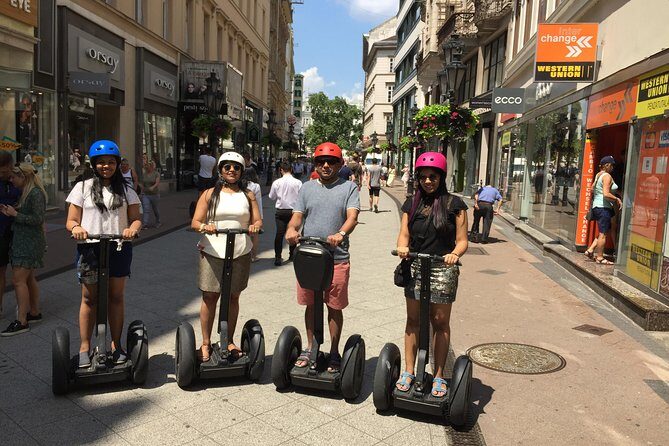
- Private guide, private time: only your group, with real back-and-forth instead of one-size-fits-all commentary.
- First-time friendly training: you get instruction and hands-on help before the sightseeing starts.
- A fast route through iconic Budapest: your stops pack in both Buda and Pest highlights in one go.
- Helmet and rain gear included: all sizes, plus raincoats if weather flips on you.
- A coffee stop built in: you’ll get a break for a café moment during the ride.
- Short stops, smart framing: you spend limited time at each place, so you get context plus photos.
Why this private Segway circuit works so well in Budapest
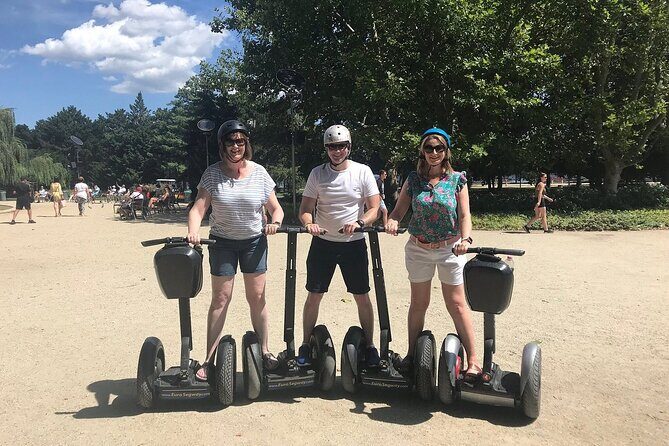
Budapest is one of those cities where the “top sights” are spread out—hills on the Buda side, grand boulevards on the Pest side, and a riverfront that basically begs for a stroll. Walking everything can mean sore feet and missed views. This tour solves that by turning sightseeing into a moving routine.
You cover a lot of ground in a short time, but it’s not chaos. The guide sets a rhythm: quick orientation, short photo/interest stops, and time to absorb what you’re seeing. Because it’s private, you can ask to linger at the places that hook you, like church architecture, memorials, or river views.
At $107.68 per person for about 3 hours, it’s not the cheapest thing in town. But the value comes from three places: you get a guide, you get the Segway gear plus training, and you save legwork. If your itinerary is tight—maybe you’re doing a lot of walking already—you’ll feel the tradeoff pay off.
You can also read our reviews of more private tours in Budapest



Starting at Galamb u. 3: the moment the tour turns from nervous to fun
The tour begins at Galamb u. 3 (1052). This is where the “Can I actually do this?” feeling either happens or fades fast. The company provides helmets in all sizes, plus all necessary equipment, so you don’t have to show up dressed for Segway training.
Right from the start, you’ll do a supervised orientation session. In real life terms, that means you learn the basics before you’re tasked with steering around a busy city. One reviewer described doing early lessons under a bridge area first, and then gradually feeling comfortable as the route started.
If you’re going with kids, this matters even more. I like that the tour is set up for beginners, and it can also work when you have someone who’s a little hesitant. In one private family ride, the guide was patient and physically supportive when needed so the child still stayed safe and in control.
How the tour pacing feels: 5-minute stops done on purpose
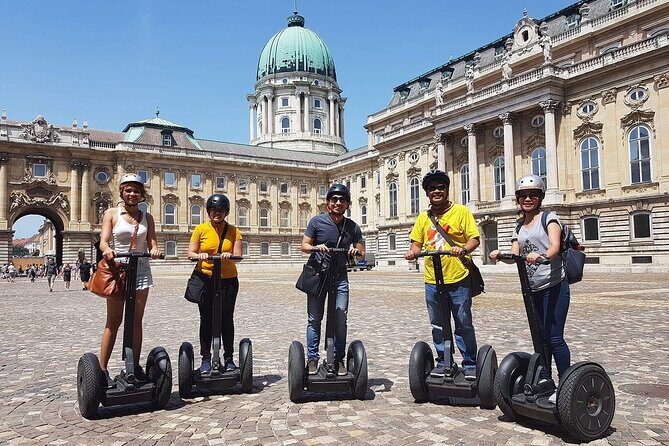
Most stops are about 5 minutes. That’s short, but it’s intentional. Budapest is full of details, and a Segway tour is built for quick orientation: you get the story, the viewpoint, and the best “camera angle,” then you roll on before your legs or attention run out.
Think of this as a guided highlights reel with enough time to breathe. The tradeoff is that you likely won’t do deep museum time or long interior visits during this Segway loop. For places where you’d normally want to enter (like major museums), you’ll probably get an exterior look and context only.
Fisherman’s Bastion and Matthias Church: Buda side glamour with clear context
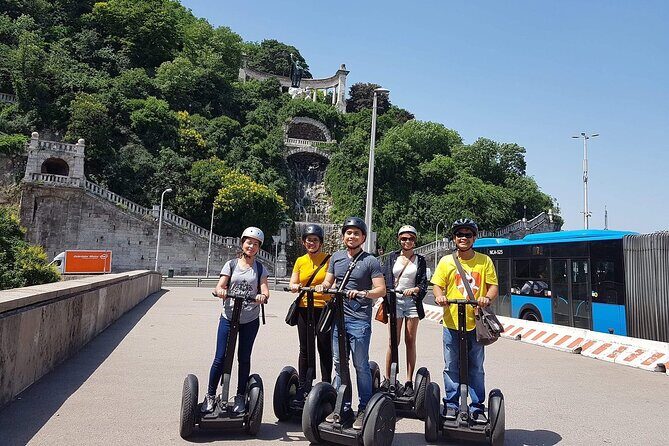
You’ll start moving toward the Buda Castle area with stops that practically scream postcards.
Fisherman’s Bastion is your dramatic lookout stop. Expect views over the Danube and the Pest skyline, plus a chance to orient yourself visually. This is one of the places where Budapest suddenly clicks—why people rave about the riverfront, why the hills matter, and how the city layers over time.
Next comes Matthias Church. Even if you’re not the type to memorize dates, a good guide can point out what you’re actually looking at—so it stops being just “pretty church” and becomes a real landmark with a story.
A quick heads-up: both stops are popular. You’ll be focused, not stuck. It’s ideal if you want photos and context now, and then later decide if you want to come back for slower time.
Hungarian State Opera House and the Chain Bridge corridor
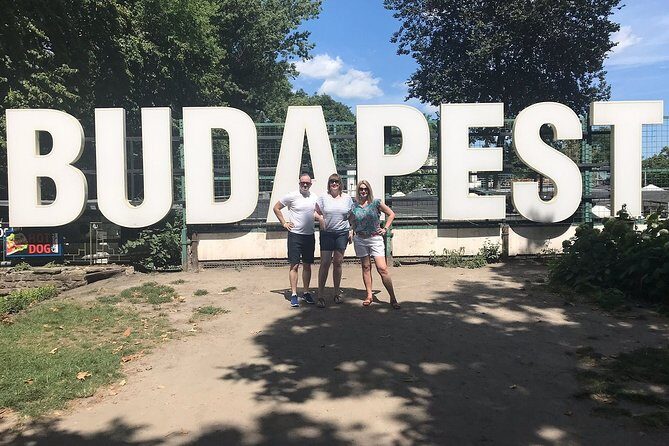
After the Buda-side views, the route swings toward central landmarks, including Matthias Church-adjacent grand architecture energy and then into the grand city center.
You’ll stop at the Hungarian State Opera House (Magyar Allami Operahaz). This isn’t just an outside photo moment if your guide explains what makes it special architecturally and historically. And even if you’ve never watched opera, it’s one of those buildings that feels serious in a good way.
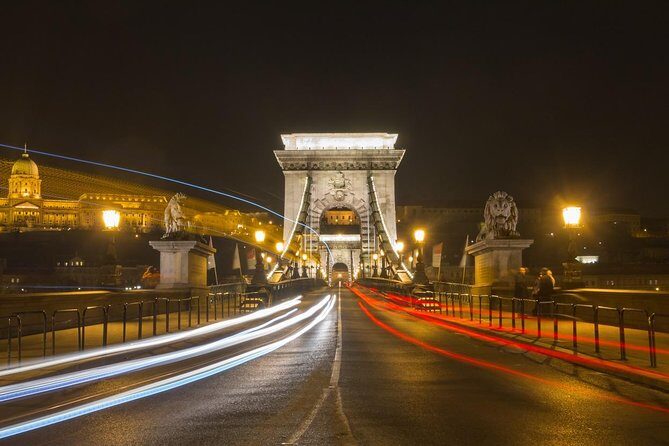
Then you roll toward Széchenyi Lánchíd (Chain Bridge). This is where Budapest becomes cinematic. You get the sense of scale, the river crossing, and how the city’s two halves work together. The guide’s framing helps here, because Chain Bridge isn’t just a bridge—it’s a symbol of connection between sides.
If you’re prone to “I’ll see it later” thinking, this stop helps you commit. The view is the kind you’ll remember even after you’ve forgotten what you ate for lunch.
You can also read our reviews of more tours and experiences in Budapest




Buda Castle and Váci Street: where the city changes texture
Buda Castle is next, a stop that works as more than just sightseeing. It’s the viewpoint anchor for the whole Buda side. A Segway makes the climb-and-position part easier so you’re not arriving sweaty and tired, which helps you enjoy the views instead of just enduring them.
Then you drop into Pest with Váci Street. This is the shopping-and-street-life stretch that tourists photograph for a reason: it’s central, walkable, and full of atmosphere. On a Segway, you don’t have to fight for time. You can cruise through while your guide tells you what to notice—street layout, architecture cues, and what this area represents in the city.
Vorosmarty Square, Heroes’ Square, and the St. Stephen’s Basilica moment
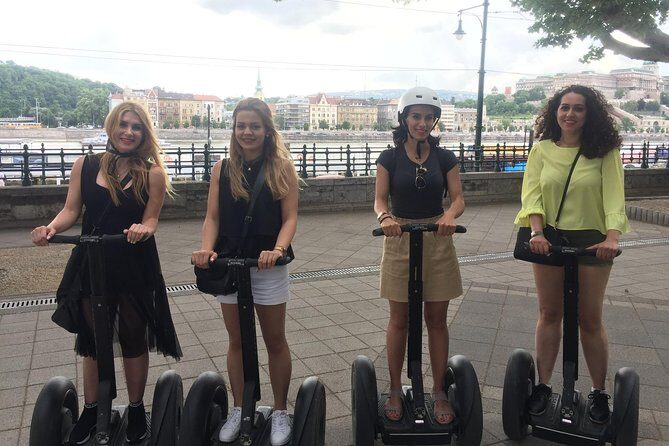
You’ll pass through Vorosmarty Square (Vorosmarty ter) next. This is one of those places where the guide can help you understand what you’re seeing without turning it into a lecture. Think meeting-point energy, civic life, and the kind of square that feels designed for photos and people-watching.
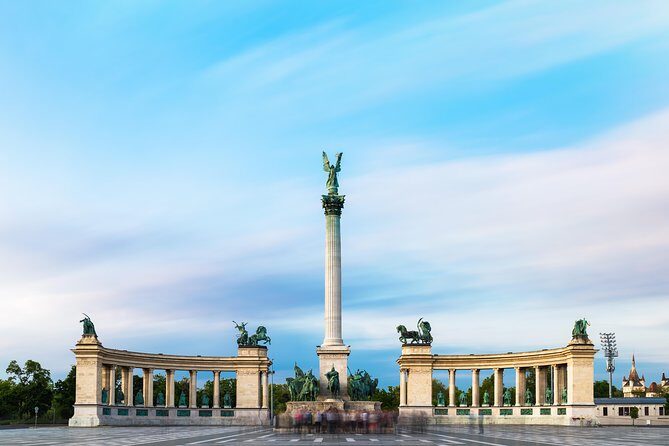
Then it’s up to Heroes’ Square (Hősök tere). It’s grand by design, and Segway touring keeps it practical: you can get close enough to appreciate the scale and statuary while still keeping your legs ready for what comes next.
Next stop: St. Stephen’s Basilica (Szent István Bazilika). This is a key “I’m really in Budapest” moment. The best part of doing it on a guided ride is that you’ll know what to look for as you stand there—so it feels like discovery, not random sightseeing.
Clark Ádám Square and the Danube orientation you’ll use all trip
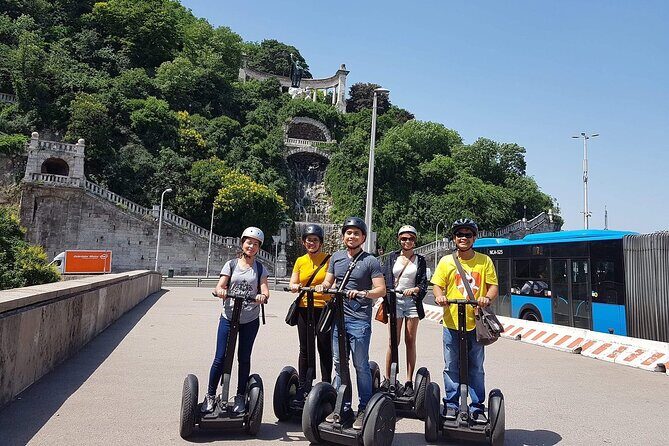
Clark Ádám Square (Clark Adam ter) is a useful stop because it helps you understand the Danube bend and how bridges and promenades line up. If you plan to return on foot later, this is one of those stops that gives you mental map power.
Even if you don’t spend long at each photo point, you’ll start connecting the dots: where you are, what direction you’re facing, and how to get back to the riverfront.
City Park and Vajdahunyad Castle: a shift from monuments to atmosphere
As the route moves toward the Varosliget / City Park area, the vibe shifts from civic grandeur to park views and architecture highlights.
You’ll stop at Vajdahunyad Castle—a place that looks like a storybook fortress from certain angles. Beside it is the Hungarian Agricultural Museum (Magyar Mezőgazdasági Múzeum), and even if you don’t go inside, it’s worth pausing because it ties the park area to Hungary’s broader cultural themes.
City Park itself (Varosliget) is a good breather stop. In a Segway tour, you’re moving constantly, so having a moment where the environment feels open helps your brain reset.
Then you’ll hit Andrássy Avenue, a major boulevard where architecture and street design set the tone. This is one of those “yes, this is a real capital city” stretches.
Statue of St Stephen, Széchenyi Baths, and Szabadság tér
You’ll also pass the Statue of St Stephen. It’s short, but it’s a useful pause because it adds a layer of national identity to all the big sights around you.
Next is Szechenyi Baths and Pool. This is one of Budapest’s signature experiences, and even if you don’t step into the water during this tour, seeing the Baths from the outside gives you a sense of why people build entire trips around it.
Then comes Szabadság tér (Freedom Square). Depending on your guide, this stop can feel like a quick crash course in how Budapest thinks about power and memory. The Segway keeps it efficient, so you don’t lose the connection to the route.
House of Terror Museum and Hospital in the Rock: serious stops, handled with care
Budapest isn’t only pretty buildings. You’ll stop at two very different places that both connect to the 20th century: House of Terror Museum and Hospital in the Rock Nuclear Bunker Museum.
The House of Terror Museum stop is a reminder that this city has chapters that are heavy. You’ll likely get an outside look and guiding context only. That’s still valuable. A guided pause like this helps you see the city as more than just photo locations.
Later you’ll also stop near the Hospital in the Rock Nuclear Bunker Museum. This is one of those “how is this real?” places. On wheels, you don’t waste time getting there, and your guide can explain the significance of what you’re seeing—without forcing you into museum hours.
Buda Hill Funicular and the Danube edge
At Buda Hill Funicular (Castle Funicular), you get another viewpoint anchor for how the hill terrain shapes daily life and tourism routes. Even if you don’t ride the funicular during the Segway tour, this stop helps you understand why the Buda side looks the way it does.
Then you reach the Danube River itself—an important moment because the river is the visual glue between nearly every major landmark you’ve seen so far.
You’ll also stop near Erzsébet Bridge (Elisabeth Bridge). Bridges are where you sense motion and direction. They also help your photos look more layered, since Budapest’s two-level city views are part of the magic.
Shoes on the Danube Bank, Ronald Reagan Statue, and Anonymus Szobor
This is where the tour gets quietly powerful.
You’ll visit Shoes on the Danube Bank (Jewish Monument). It’s a memorial, so this stop matters more than how fast you can roll through it. A good guide’s job here is to keep it respectful while still making sure you understand why the monument is placed where it is.
Next you’ll stop at the Ronald Reagan Statue. It’s a surprising contrast in tone from the memorial, and that’s the point: Budapest has layers of politics and international symbolism in unexpected corners. Quick stop, strong photo, clear framing.
Finally, you’ll see Anonymus Szobor. This is one of Budapest’s more “storytelling” landmarks. Done with a guide, it becomes more than a statue in a plaza—it becomes part of the city’s myth-making.
Deák Ferenc Square: the practical finish that helps you keep exploring
The tour ends back near Deák Ferenc Square. That matters because you’re not left stranded out in the weeds after 3 hours. It’s a central, easy-to-use area for continuing your day on foot or connecting to public transit.
In other words, you finish with options.
Coffee stop: a break that makes the pacing feel human
The tour is named for a coffee stop, and the ride is the kind of activity where a small break helps a lot. You’ll also see evidence of a café pause in the tour experience, including mentions of dessert. It’s not a “sit for an hour” meal stop, but it’s enough to reset your brain and hands before you roll back into the next stretch of sights.
If you’re doing this with kids, you’ll appreciate the structure: ride, stop, learn, snack, ride again.
What I think about the guides (and why it shows up in your photos)
The biggest recurring theme in the tour experience is the guide’s role in making Segway riding feel safe. Names you might encounter include Beka, Sam, Hose, Philippe, Nour, Hafa, Arash, Lee, Joseph, Philip, and Fred.
Across these experiences, the pattern is consistent: patient instruction for first-timers, flexibility to adjust what you focus on, and a sense of humor without cutting corners on safety. In one case, a guide supported a child so her Segway stayed controlled, which is exactly the kind of proactive help that prevents fear from turning into a bad memory.
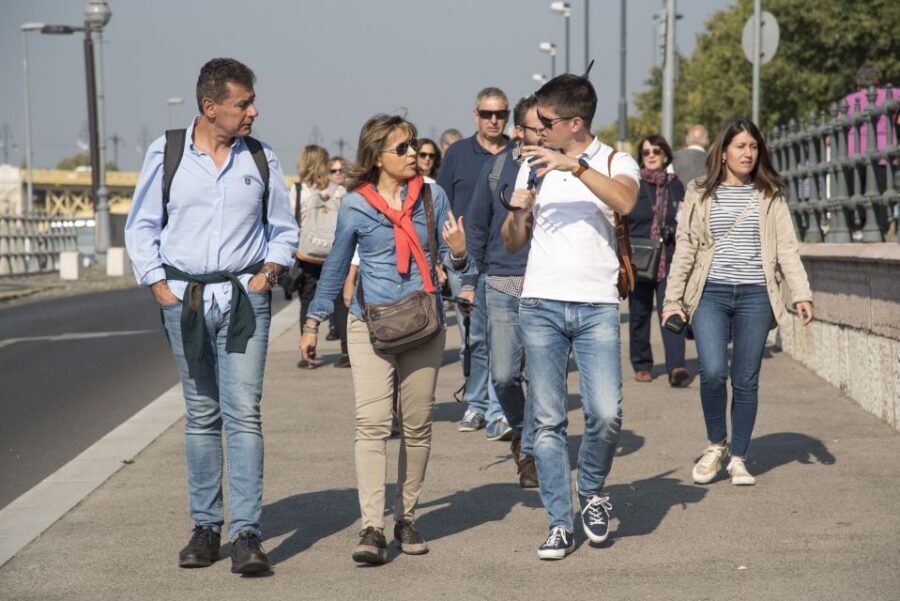
If you care about photos, watch how the guide works. Several accounts mention the guide taking pictures for the group, which is huge when you don’t want to spend your whole trip juggling phones while stopping and starting.
Price and value: is $107.68 per person worth it?
For $107.68, you’re paying for:
- A private live guide
- Segway gear plus helmets and raincoats if needed
- A supervised orientation session so you’re not learning from scratch while riding
- A route that hits lots of famous sights within about 3 hours
- A coffee stop
If you were paying separately for a guide plus taxis plus time-consuming logistics, this becomes more reasonable fast. And the biggest value is energy. Budapest includes hills and stairs; this tour lets you see the highlights without spending your whole day climbing and descending.
Where it might not be worth it: if you already prefer slow walking, love lingering inside museums, or you want a flexible day where you don’t want to follow a planned loop. Then you might get more out of a custom walking plan.
Should you book this Segway tour?
Book it if:
- You want maximum sightseeing in a short window.
- You’re a first-time Segway rider or traveling with someone who’s a bit nervous.
- You like guided context at each stop, with enough motion to keep your energy up.
- You want to see both sides of Budapest without turning your day into a stair workout.
Skip it (or consider another format) if:
- You’re hoping for long interior museum visits or long meal breaks.
- You strongly dislike structured routes with lots of quick photo stops.
- You’re very sensitive to the initial check-in feeling when it’s busy.
If you’re on the fence, my practical take is this: for Budapest, Segway tours shine as an efficient “get oriented fast” experience. Once you’ve got the city mapped in your head, you can go back later and slow down where it really matters to you.