REVIEW · BUDAPEST
Szentendre, Visegrád & Esztergom Private Danube Bend Tour
Book on Viator →Operated by Tamas Varga · Bookable on Viator
Danube Bend days go too fast. This private 7–10 hour trip from Budapest strings together Szentendre, Visegrád, and Esztergom with hotel pickup and the local guide, Tamas Varga, plus a quick Slovakia viewpoint at Sturovo.
I love the way Tamas turns each stop into a clear story you can actually picture—from Serbian Orthodox roots in Szentendre to the royal intrigue tied to Visegrád Castle. I also like the comfort touches that make the day feel easy: an air-conditioned ride, cold drinks, snacks, bottled water, and coffee or tea. One drawback to plan around: Esztergom Basilica can be under renovation, so you might see scaffolding that slightly limits the wow-factor from up close.
In This Review
- Key things I’d circle on your planner
- Why the Danube Bend tour works so well from Budapest
- Tamas Varga and the comfort that keeps the day sane
- Szentendre: cobblestones, Orthodox roots, and the art-shop feeling
- Visegrád Castle: Danube Bend views plus a 1335 story
- Esztergom Basilica and the royal power around it
- Sturovo: the quick Slovakia viewpoint that sharpens the postcard photos
- Devil’s Mill Waterfall and Pilis Biosphere Reserve nature time
- Customizing your stops: choosing what fits your interests
- Price and value: what $290 per person really covers
- Who should book this Danube Bend private tour
- Should you book this private Danube Bend tour?
Key things I’d circle on your planner
- Private guide focus with a flexible pace so you can linger or move on without stress
- Szentendre’s cobblestones plus Orthodox heritage from 17th-century Serbian refugee life
- Visegrád Castle views over the Danube Bend and a wax-figure stop tied to the 1335 meeting of three kings
- Esztergom Basilica as a free, panoramic landmark with nearby historic castle grounds
- A quick Slovakia detour at Sturovo for postcard-style views across the river
- Devil’s Mill Waterfall and nature break in the Pilis Biosphere Reserve with an included tasting stop
Why the Danube Bend tour works so well from Budapest
You’re not just doing sightseeing on the outskirts of Budapest. You’re tracing one of Hungary’s big “story lines” in a single day: Danube towns, royal power, and then—right when you’re ready—green, rushing water and trout-country nature.
This matters because the Danube Bend region is scenic in a way that’s hard to fully appreciate from a quick bus stop. With a private vehicle and one guide, you get time to see the views, not just stand next to them for 40 seconds. If you like pictures, you’ll find plenty of easy photo moments. If you like history, the “why” gets explained as you walk.
You can also read our reviews of more private tours in Budapest



Tamas Varga and the comfort that keeps the day sane
The best part of a long day trip is usually not the big ticket sites—it’s whether the day feels smooth. Here, the ride sets the tone. You get hotel pickup, travel in an air-conditioned vehicle with a licensed driver/guide, and you’re not juggling tickets or timing.
I’m also a fan of the small onboard extras. The tour includes snacks, bottled water, soda/pop, and coffee or tea. That sounds minor until you’re stuck on a long rural drive when you’d otherwise be hungry or cranky. It also helps when the guide adjusts timing based on real-world traffic and where people want extra time.
For me, Tamas Varga’s approach shows up in how the day flows: you’re not rushed between stops, and you can ask questions without feeling like you’re holding up a group bus. Reviews consistently highlight how well he answers questions, keeps things clear in English, and maintains a relaxed schedule.
Szentendre: cobblestones, Orthodox roots, and the art-shop feeling
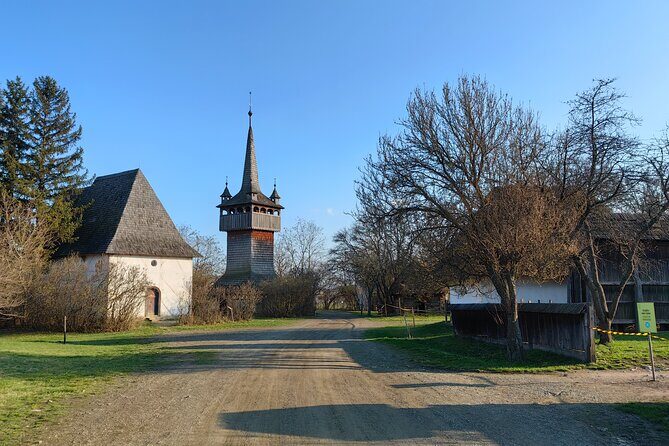
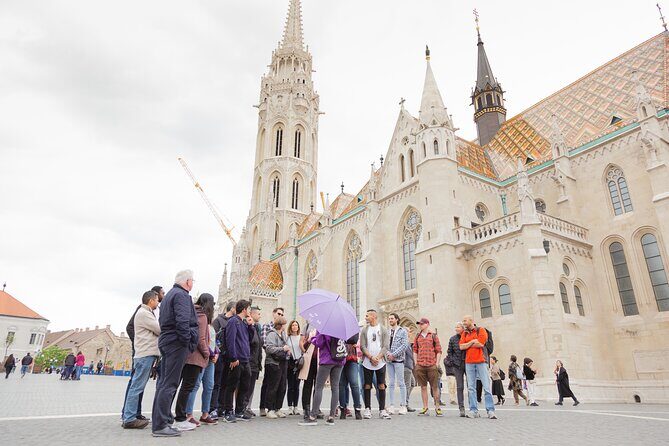
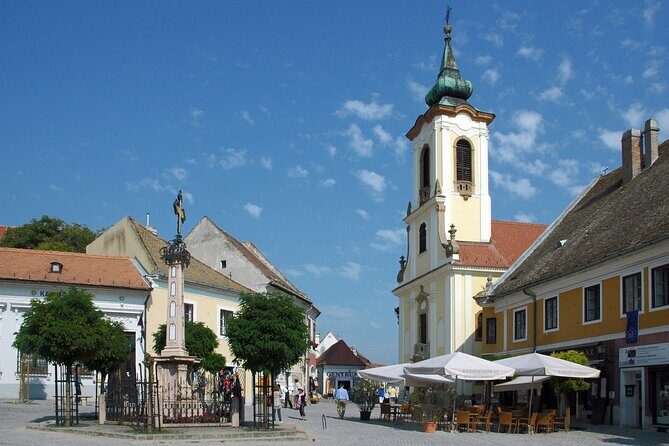
Your first stop gives you the best kind of contrast: before castles and cathedrals, you get a compact, walkable historic town. Szentendre is known for cobblestone streets, Baroque-style buildings, and an art scene that makes it feel more like a gallery town than a “must-see stop.”
The detail I’d highlight is the town’s 17th-century Serbian refugee story. Those communities left behind a distinctive Orthodox heritage, and you can feel that influence while you wander the streets and museums. If you’re the type who likes spotting how different cultures shaped local architecture and atmosphere, Szentendre rewards you.
You’ll also get time for the Danube promenade area and for browsing. Two optional add-ons can change the vibe:
- A Marzipan Museum and workshop option (ticket not included), useful if you want something playful and hands-on.
- General museum and gallery time if you prefer to keep it culture-focused.
Tip: Szentendre is easier to enjoy slowly. If you’re a quick “see it, snap it, go” walker, you’ll still be fine. If you like wandering without a deadline, this is the stop where you’ll enjoy having time.
Visegrád Castle: Danube Bend views plus a 1335 story
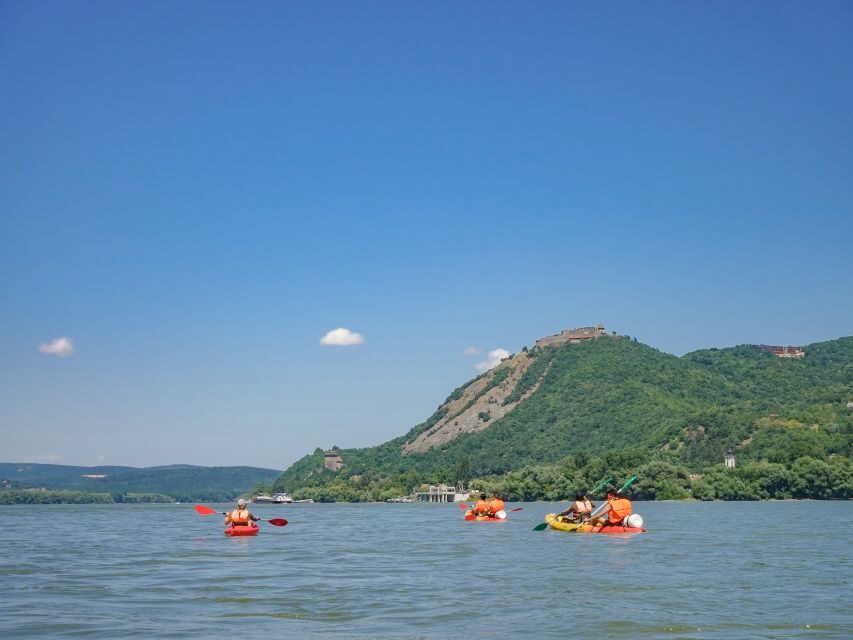
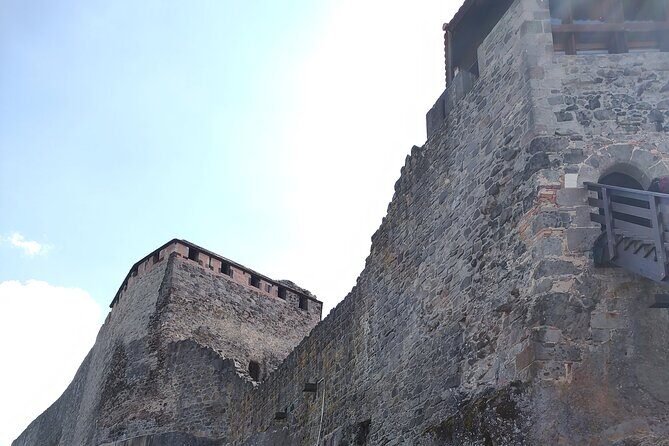
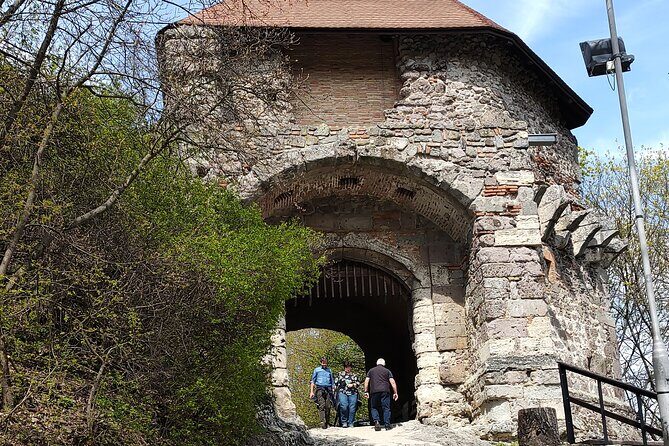
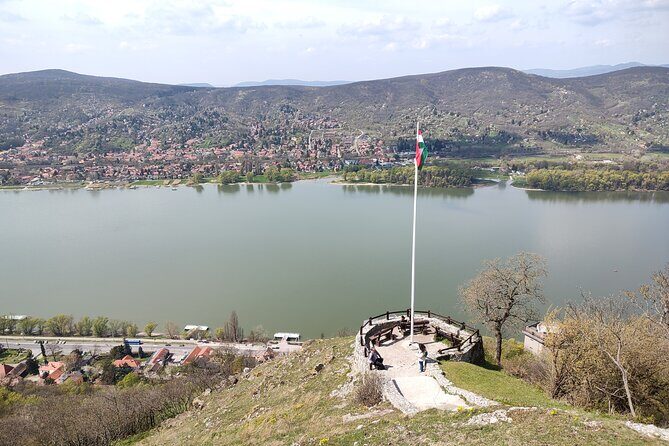
Visegrád Castle is where the trip turns into pure scenery. The stop includes the fortress/citadel area with stunning Danube Bend panoramas, and it’s a strong choice if you want that “top of the world” feeling without needing a long hike.
You’ll also get a practical heads-up: Visegrád Castle involves climbing some stairs (not a lot, just a few minutes). If you’re dealing with mobility limits, it’s worth planning to take it slower and wear good shoes.
The historic connection here is fun because it’s not just vague “medieval greatness.” You can even see a wax figure exhibit related to the famous 1335 meeting of three kings. It’s the kind of quirky detail that makes the history stick, especially if your brain likes visuals.
One seasonal note to keep in mind: between January 12 and February 28, the castle is only open Fridays, Saturdays, and Sundays. If your trip lands in that window, your guide can help you manage what’s possible.
And yes, you’ll pay admission separately for Visegrád Castle (around $7.50 per person, not included). The value is that you’re paying to see a viewpoint that anchors the whole Danube Bend area in your head.
Esztergom Basilica and the royal power around it
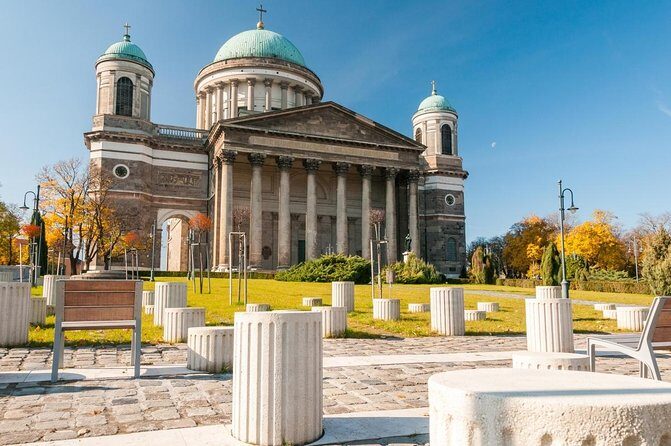
Then you hit the big one: Esztergom Basilica. It towers over the town, and the dome is visible for kilometers. This is the kind of architecture that reads instantly, even if you’re not a “church person.” The neoclassical design and scale make it a focal point for a reason.
This stop is also historically layered. The basilica sits on a site tied to older churches dating back to King Stephen I. It’s the seat of the Catholic Church in Hungary, and the nearby Esztergom Castle grounds connect to the royal residence and Hungary’s political and religious center from Stephen’s era to the mid-1200s.
A practical note: the basilica visit here includes time to see the exterior and spend time at the site. Admission is listed as free, but the tour also offers an optional basilica-related ticket (the Treasury) if you want to go deeper.
The one drawback I mentioned earlier is worth repeating for clarity: scaffolding/renovation can sometimes be present, which may limit the full impact from certain angles. Still, the location and scale remain impressive even when parts of it are covered.






Sturovo: the quick Slovakia viewpoint that sharpens the postcard photos
From Esztergom, you do a brief crossing into Slovakia for views at Sturovo. This is short—around 20 minutes—but it’s one of those smart time uses where you get a fresh perspective without turning the day into a long border ordeal.
What you’re after is the “across-the-river” view: the basilica and the old-town look framed from another angle. If you like photography, this kind of change in viewpoint can make a huge difference. It also helps you understand how these places sit along the Danube—this is a river that shapes everything.
Don’t overplan your expectations here. It’s not a second full town. It’s a viewpoint stop, and it does its job.
Devil’s Mill Waterfall and Pilis Biosphere Reserve nature time

After the towns and monuments, you get nature. The tour’s nature segment focuses on the Pilis Biosphere Reserve area (described as a national park within a national park). The setting is defined by meandering creeks, cascading waterfalls, and lakes.
The standout is Devil’s Mill Waterfall, scheduled for about 30 minutes with admission included. This is one of the best ways to keep the day from feeling like “just driving and looking at big buildings.”
You also get an optional-feeling but built-in experience: fresh trout tasting is part of the idea here. The tour description notes that you can enjoy freshly prepared trout caught straight from the lakes, plus game options, at a forest restaurant. The restaurant is closed on Tuesdays and Wednesdays, but lunch options nearby are available.
What I like about this stop is that it’s not only scenic; it gives you something edible to connect to the landscape and local culture. Even if you don’t do the tasting, you still get the waterfall and creek setting during the day when you’d most appreciate a break from sightseeing.
Customizing your stops: choosing what fits your interests
The tour is private, and the itinerary is described as customizable—so you’re not stuck with a one-size-fits-all plan. In practice, this is what you want for a day like Danube Bend: small timing tweaks can matter when you’re balancing viewpoints, walking pace, and interest level.
Here’s how you can steer it:
- If you love culture and small discoveries, spend more time in Szentendre and consider the Marzipan Museum option.
- If your priority is dramatic views and medieval storypoints, keep your time at Visegrád Castle focused on the panoramas and the 1335-related exhibit.
- If you want religious art and church interiors, you can take the optional add-on ticket connected to the basilica site (the Treasury) if you’re interested.
- If you want a nature reset, keep the waterfall stop on schedule and don’t try to cram too many extra things afterward.
The best part: because you’re not managing a group bus schedule, you can adjust without feeling guilty about slowing people down.
Price and value: what $290 per person really covers
At $290 per person, this isn’t the cheapest way to see the Danube Bend. The value comes from what’s included that adds up over a full day:
- Air-conditioned private transport with a licensed professional driver/guide
- Snacks, bottled water, soda/pop, and coffee/tea (so you’re less likely to spend extra on small roadside purchases)
- A solid set of stops across multiple towns, including a quick international viewpoint in Slovakia
Big expenses are also mostly kept out of the included price. Visegrád Castle admission is not included (about $7.50 per person). The Szamos Marzipan Museum option is also not included, and the basilica-related Treasury ticket is optional. Lunch is not included either.
So the math usually works like this: if you’d otherwise pay for entry tickets, hire a private guide, and add your own transport, you’ll feel this as a reasonable “one bill” day. If you’re planning to buy almost nothing, eat a full lunch in town, and just want a bus-style route, you might decide another option fits better.
Who should book this Danube Bend private tour
I think this tour is a great fit if you want:
- A private day with real time in each place (not just a drive-by)
- An English-speaking guide who connects locations to stories you can understand fast
- A mix of towns, views, and nature in one day without juggling logistics
It’s especially good for families and couples because the structure is flexible and comfortable. The day is long enough to feel like a real experience, but the stops are short enough that you’re not exhausted by constant walking.
One thing to consider: if you’re visiting in the winter window Jan 12–Feb 28, remember Visegrád Castle is only open Fri–Sun. That could affect timing unless your guide adjusts the plan.
Should you book this private Danube Bend tour?
If you’re spending more than one day in Budapest, and you want one “big outside-the-city” day that mixes history, viewpoints, and nature, I’d book it. The reason is simple: you get a well-paced route with comfort built in, plus a guide who can answer questions and help you slow down at the places that matter.
I’d be a little cautious if your priority is a perfectly uninterrupted view of Esztergom Basilica interior details, because renovation/scaffolding can reduce that closeness. Still, the exterior scale and the surrounding castle-town feel remain strong.
If your travel style is “I want to see the best parts, but I also want my day to feel easy,” this is one of the better ways to do the Danube Bend from Budapest.