REVIEW · BUDAPEST
Budapest: Alternative Street Art & Jewish Tour
Book on GetYourGuide →Operated by Original Europe Tours - Vienna · Bookable on GetYourGuide
Budapest’s walls have stories. This 3-hour walking tour pairs alternative street art with history in the Jewish Quarter, starting right by St. Stephen’s Basilica. You get both art spotting and guided context in one route, with an English-speaking guide leading the way.
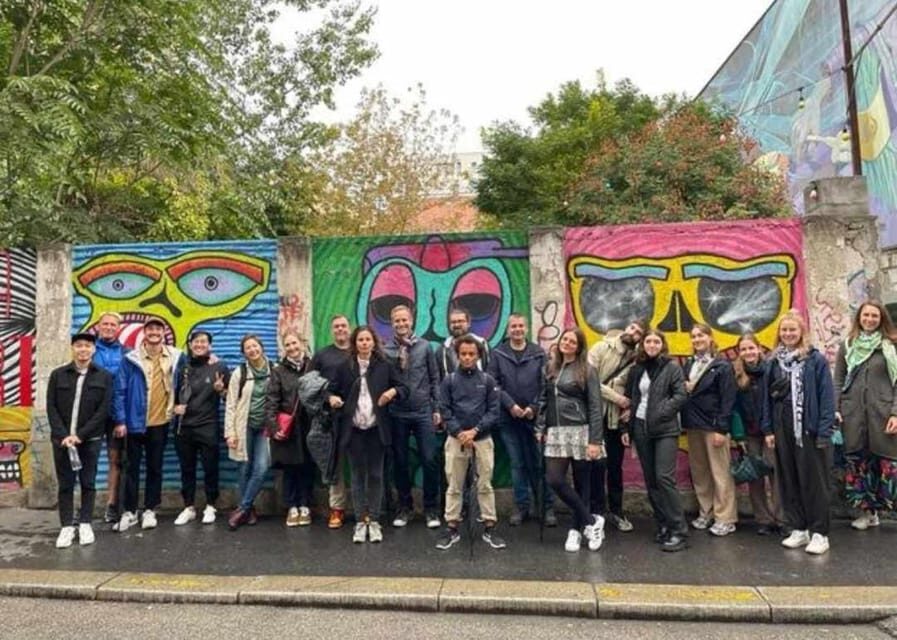
I especially like the way the tour balances two moods: colorful outdoor murals (including works tied to local artist Színes Város) and a somber look at the Jewish Quarter’s reminders of the past. I also like the practical angle at the end—your guide shares tips for live music, which clubs to try, and where to eat.
The only real drawback to consider is that this is a walking tour, so you’ll want comfortable shoes and weather-appropriate clothes. It runs in all weather, so plan for rain or cold rather than expecting a perfect day.
In This Review
- Key reasons this tour works
- St. Stephen’s Basilica start point (and why that matters)
- Street art walk in Budapest: murals, artists, and the feeling of the city
- A small-group feel can change the whole experience
- Jewish Quarter stories: Pest, Buda, and Óbuda in one guided walk
- What you’ll learn about “survival” emblems
- Emblems, monuments, and the street-level contrast you can actually see
- The “old meets new” feeling is the point
- End with practical Budapest: live music, clubs, and where to eat
- Price and value: what $23 buys in real time
- What the 3 hours feels like on the ground
- Who should book this Budapest street art and Jewish Quarter tour
- Should you book it?
- FAQ
- Where does the tour meet?
- How long is the tour?
- What language is the tour guide?
- What is included in the price?
- Is food or drinks included?
- Are there entrance fees to attractions?
- Is the tour run in bad weather?
- What should I wear or bring?
- FAQ
- What’s the cancellation policy?
- Can I reserve now and pay later?
Key reasons this tour works
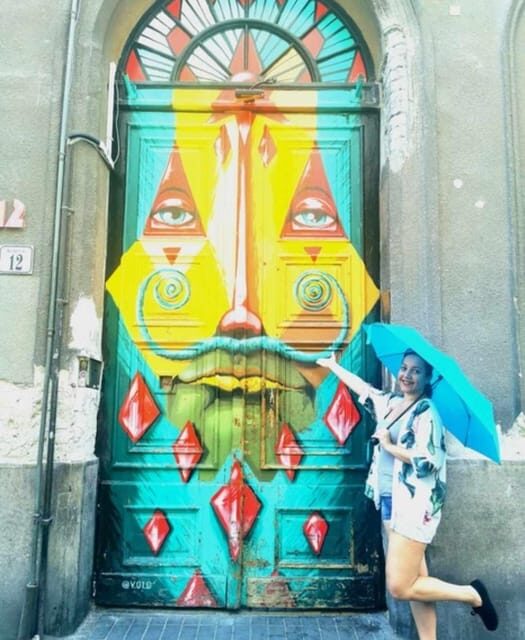
- Street art first, history second: you’ll see murals and then get the context behind the Jewish Quarter sites
- Színes Város in the mix: the tour highlights prominent local artists and specific works
- Remnants you can still see: old community remnants and monuments are part of the walk
- Survival symbols, not just scenery: you’ll learn what the emblems and memorials mean
- You leave with city tips: guidance for live music, clubs, and food after the tour
St. Stephen’s Basilica start point (and why that matters)
The tour meets at St. Stephen’s Basilica, right at Szent István tér 1, 1051 Hungary. Your guide will be holding a blue umbrella, which makes it easy to find the group without guesswork. Starting here is convenient because it puts you in a central, recognizable area before you head into the Jewish Quarter’s streets.
It also helps that the tour ends back at the same meeting point. For a 3-hour experience, that “come back to base” structure saves time and stress, especially if you’re planning dinner or an evening plan right after.
You can also read our reviews of more tours and experiences in Budapest



Street art walk in Budapest: murals, artists, and the feeling of the city

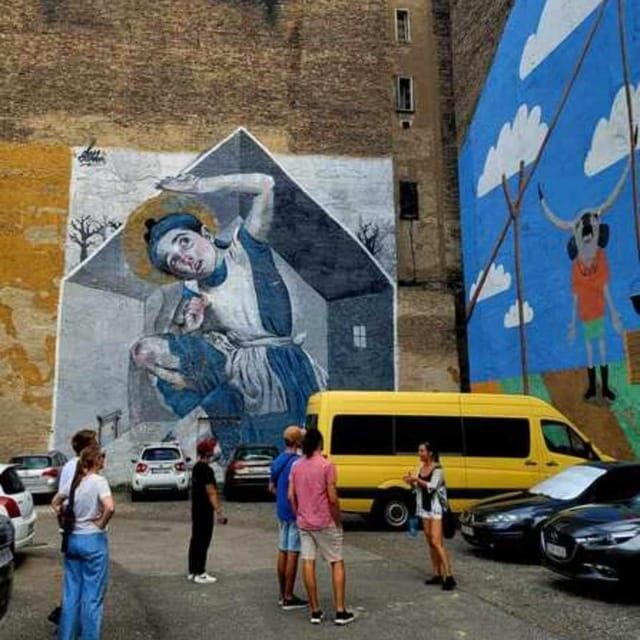
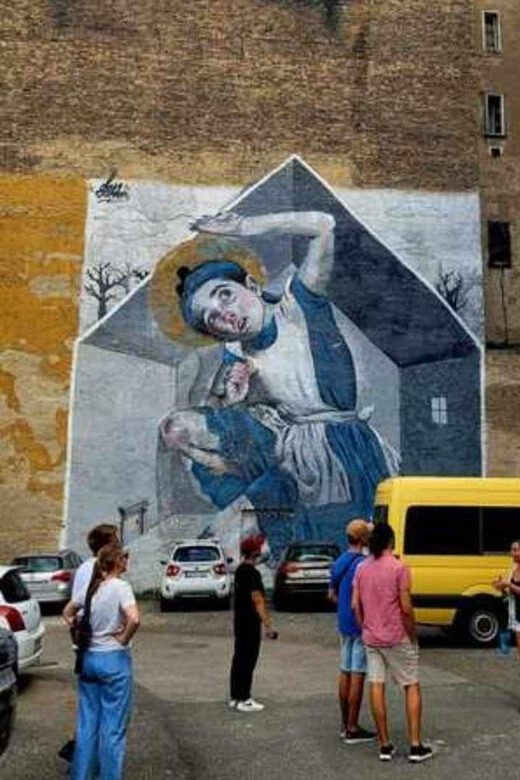
This is not a museum tour. You’re out on sidewalks and building faces, learning how street art fits into Budapest’s identity—especially when you focus on the local artists behind the works.
One of the main art draws is seeing pieces linked to Színes Város, described as revolutionary. Even if you’re not an art expert, that framing helps: instead of treating murals like random decoration, you learn what they’re saying and why the artist matters to the city.
Expect the guide to point out details as you walk—how different works connect to the neighborhood vibe and how street art can reflect social change. I like this approach because it turns “wow, that’s cool” into something stickier. You’ll remember the route because you’re learning how to read it.
A small-group feel can change the whole experience
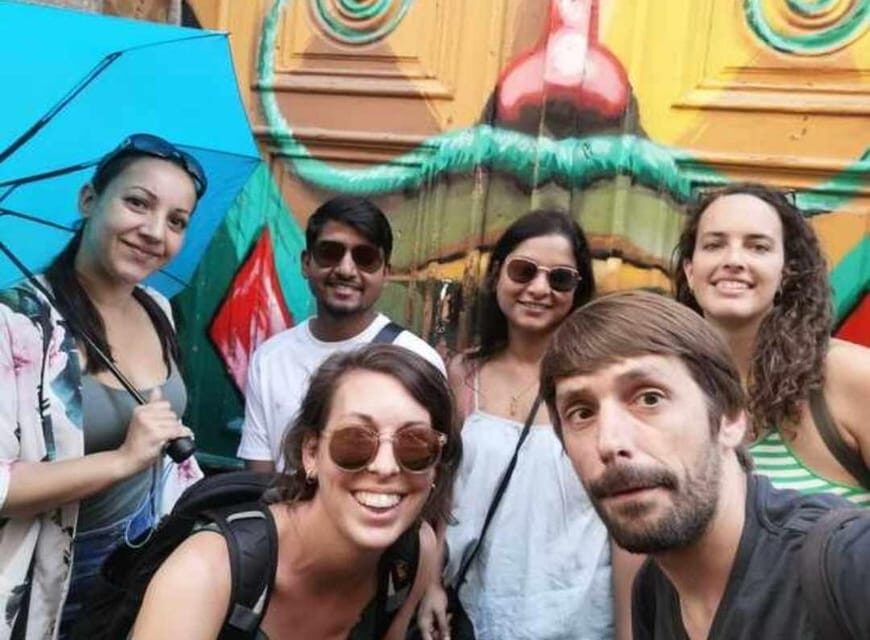
The reviews emphasize that guides keep an eye on the group, and smaller groups can make it feel closer to a private tour. That matters here because the tour mixes two different styles of learning—art interpretation and neighborhood history. When the group is small, the guide can slow down where you need it and speed up where you don’t.
Jewish Quarter stories: Pest, Buda, and Óbuda in one guided walk
After the street art portion, the tone shifts toward the Jewish Quarter—where history isn’t just “in the past.” The tour focuses on how the Jewish community helped shape Pest, Buda, and Óbuda (Old Buda), which gives you a broader sense of why this area mattered beyond its borders.
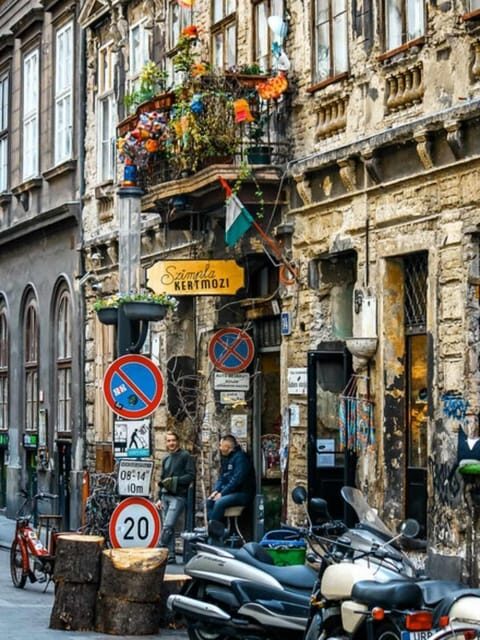
Your guide explains the area’s history and culture, then leads you through remnants of the old community that still stand. That contrast is one of the tour’s most powerful aspects: you’ll pass modern shops and bars alongside older, crumbling structures and monuments.
I like that the tour doesn’t try to cover everything about Budapest’s Jewish history. It focuses on what you can see on foot and what those visible remnants represent, so the story stays grounded in the street.
What you’ll learn about “survival” emblems
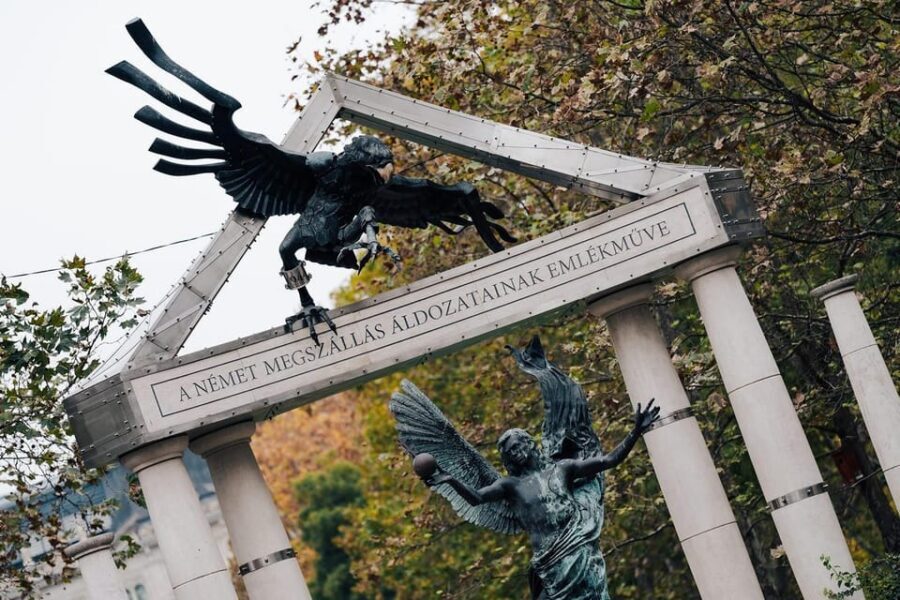
The walk includes emblems of survival and monuments of the past. You’re not just checking boxes for “important stops.” The guide ties these symbols to meaning—how a city keeps memory in public space, and how the neighborhood’s identity carries forward even when buildings have changed.
This part can feel heavier than the murals. That’s normal. The best way to handle it is to give yourself a little patience. If you’re the type who rushes through monuments, slow down here—you’ll get more out of the explanations.






Emblems, monuments, and the street-level contrast you can actually see
A lot of tours promise history, but this one uses what’s physically around you. The Jewish Quarter stops include visible reminders—monuments and remnants—so you understand the difference between a story you heard and a symbol you stood in front of.
What makes this section work for value is that you don’t need to pay separate entrance fees to start learning. The tour is built around the walk itself, plus the guide’s storytelling, so you’re getting a steady stream of meaning for the 3 hours.
The “old meets new” feeling is the point
One of the most memorable elements is the visual mix: modern-day bars and shops next to older structures and monuments. That blend is part of the neighborhood’s reality, and it’s also what you’ll notice most when you leave the tour and keep walking on your own.
End with practical Budapest: live music, clubs, and where to eat
The best tours don’t end when the guide stops talking. This one ends back at the meeting point, but the guide’s help can keep going through the recommendations you receive.
Your tour includes top tips on where to find live music, which clubs to visit, and where to eat. In other words, the tour helps you shift from daytime sightseeing into an evening plan that fits the kind of Budapest you just learned about.
Reviews mention that guides share specific nightlife direction, including pointers to a ruin bar (a very Budapest style of going out). Even if you don’t follow every recommendation, having a shortlist beats guessing when you’re tired and hungry.
Price and value: what $23 buys in real time
At $23 per person for a 3-hour guided walk, the value is mostly about two things: guided time and a focused theme. You’re not paying extra for entrances (none are included), and you’re not stuck with only generic sightseeing.
You’re getting:
- a live English guide
- a walking route built around both street art and Jewish Quarter history
- practical city tips for after the tour
Could you wander the Jewish Quarter and spot some murals on your own? Sure. But you’d likely miss the why behind the works and the meaning behind the emblems and monuments. The guide is what turns “I saw stuff” into “I understood what I saw.”
For budget-conscious travelers, this price point is also a relief. You can fit it into a packed itinerary without feeling like your day budget is being swallowed by tickets.
What the 3 hours feels like on the ground

The tour is designed as a walk you can actually handle. Reviews describe it as doable—not too long, not too short—which is exactly what you want from a 3-hour theme tour. You get enough time to see multiple street art points, then make the history portion feel substantial rather than rushed.
It also runs in all weather conditions. That’s good planning, but it means you should dress for real street time. Comfortable shoes matter because the Jewish Quarter portion includes monument viewing and pacing, not just quick photos.
Who should book this Budapest street art and Jewish Quarter tour
This is a great match if you want Budapest beyond the standard postcard route. I’d book it if you:
- enjoy street art but want the context behind the works
- want Jewish Quarter history explained through what you can see outside
- like tours where the guide also shares practical recommendations for later in the day
- prefer smaller groups and more personal attention
It’s also a solid choice for first-timers. The meeting point near St. Stephen’s Basilica is easy to navigate, and the route gives you a feel for two different sides of the city in one afternoon.
If you only want entertainment and zero emotional weight, you might find the monuments and survival emblems heavy. But if you’re open to a balanced experience—art, memory, and everyday city life—this tour is a strong fit.
Should you book it?

Yes—if you want a guided walk that connects street art with the Jewish Quarter’s meaning, and you appreciate practical tips for nightlife and food. The high rating (based on many comments) points to something important: the guide quality and storytelling are a core part of why this works.
Book it if you’re the kind of person who likes to understand what you’re photographing. You’ll come away with more than pictures—you’ll have the city “read” in your head.
Don’t book it if you hate walking, hate weather unpredictability, or only want purely lighthearted stops. This tour includes monuments and survival emblems, and the guide treats them with respect.
FAQ
Where does the tour meet?
The tour meets at the entrance of St. Stephen’s Basilica, Budapest, at Szent István tér 1, 1051 Hungary. The guide will be holding a blue umbrella.
How long is the tour?
It lasts about 3 hours.
What language is the tour guide?
The tour is guided in English.
What is included in the price?
The price includes a guide and the walking tour.
Is food or drinks included?
No. Food and drinks are not included.
Are there entrance fees to attractions?
Entrance fees to attractions are not included.
Is the tour run in bad weather?
Yes. The tour operates in all weather conditions.
What should I wear or bring?
Bring comfortable shoes and weather-appropriate clothing.
FAQ
What’s the cancellation policy?
Free cancellation is available up to 24 hours in advance for a full refund.
Can I reserve now and pay later?
Yes. You can reserve now and pay later to keep your travel plans flexible.