REVIEW · BUDAPEST
Budapest: Jewish History with Local Guide & Synagogue Ticket
Book on GetYourGuide →Operated by Hungaria Koncert Ltd. · Bookable on GetYourGuide
Budapest’s Jewish history is right on the street. This 2-hour English walking tour connects major landmarks with clear human stories, and it ends with a ticketed interior visit to the Kazinczy Street Synagogue. The Kazinczy gallery visit is the kind of access you usually have to wait for, or never get at all.
I like two things a lot. First, the tour is guided by an expert local, with praise for guides who explain the traditions in plain, organized language—names like Dora come up in feedback for this style of teaching. Second, you get both big-picture context (holidays, everyday life, community history) and specific stops, not just one synagogue photo-op.
The one thing to consider: this walk is not suitable for people with mobility impairments, and it’s a synagogue-focused route where you’ll be moving for the full 2 hours. Also, pets aren’t allowed inside the synagogue areas, even if they’re fine during the walking portions.
In This Review
- Key highlights you shouldn’t miss
- Why This Budapest Jewish Walk Makes Sense
- Meet at Herzl Tivadar: Your 2-Hour Game Plan
- Dohány Street Synagogue Area and the Story Behind the Stones
- Wallenberg Holocaust Memorial Park: A Quick Stop That Carries Weight
- Jewish Quarter and the Guided Streetside Context
- Rumbach Synagogue and the Ghetto Wall Fragment: Photo Stops With Purpose
- Kazinczy Street Synagogue Interior Visit: The Tour’s Best Payoff
- Price and Value: What $34 Covers (and Why It’s Fair)
- Who This Tour Fits Best (and Who Should Think Twice)
- Practical Expectations While You Walk
- Should You Book This Budapest Jewish History Tour?
- FAQ
- How long is the Budapest Jewish history walking tour?
- Is the tour available in English?
- What’s included with the price?
- Where do I meet the guide?
- Can I bring pets?
- Is the tour suitable for people with mobility impairments?
Key highlights you shouldn’t miss
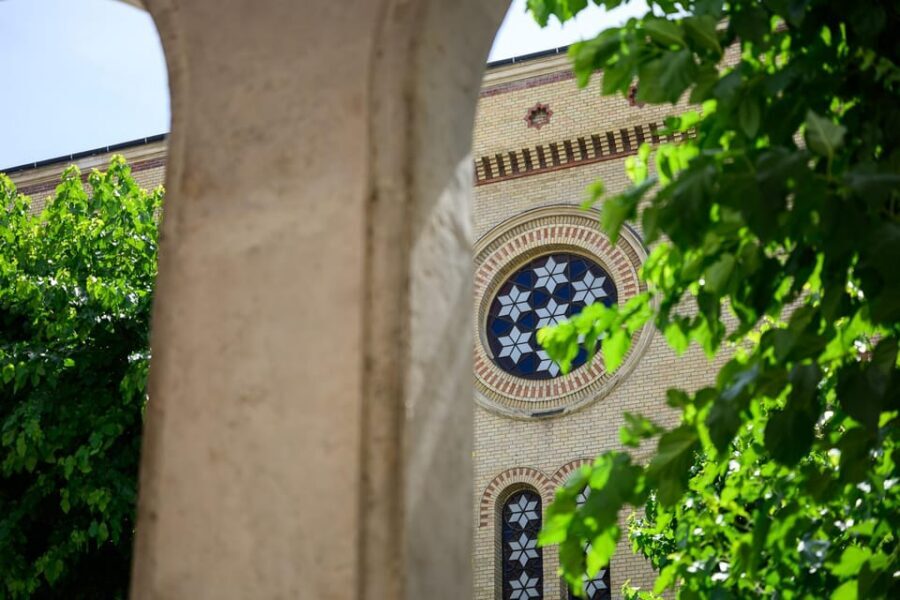
- Exclusive Kazinczy Street Synagogue gallery access that’s normally closed to the public
- English-speaking local guide with strong story-led explanations
- Stops around the Dohány Street Synagogue area, memorials, and ghetto remnants
- Photo stops that still matter: Wallenberg Park, the ghetto wall fragment, and Rumbach exterior views
- A clear “synagogue triangle” route ending with an interior guided visit
Why This Budapest Jewish Walk Makes Sense
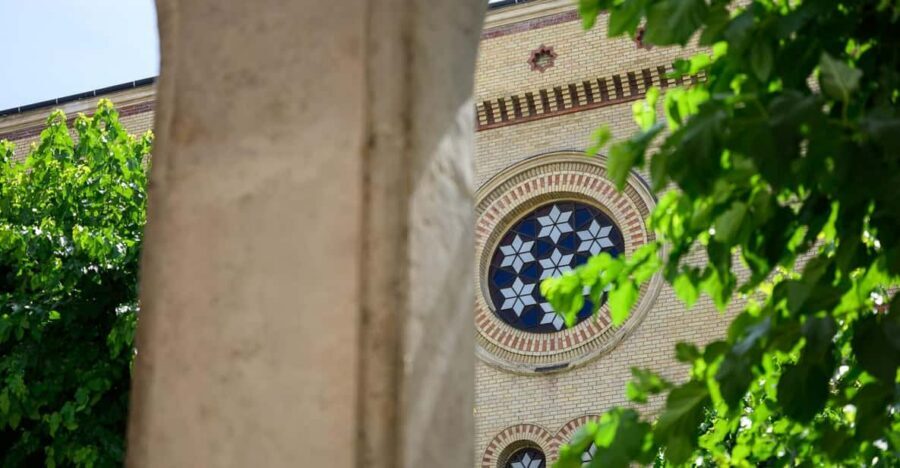
Budapest can feel big and fast. This tour slows things down in the best way: you walk a tight loop, and each stop adds another piece to the same puzzle—how Jewish life in Budapest changed over time, and how memory is kept in public space.
The big win is that you’re not doing a generic sightseeing stroll. Instead, your guide ties together Judaism in daily life, the rhythm of holidays, and the community’s history in Hungary. You’ll get the sense that people weren’t just names in textbooks. They were neighbors, families, and communities with routines, beliefs, and institutions—and those institutions still shape the city.
Then there’s the ending: the Kazinczy Street Synagogue interior visit, with ticket included and the special gallery access. That turns the tour from “nice walk” into “you actually gained something,” because you’re seeing areas most visitors don’t.
You can also read our reviews of more tours and experiences in Budapest



Meet at Herzl Tivadar: Your 2-Hour Game Plan
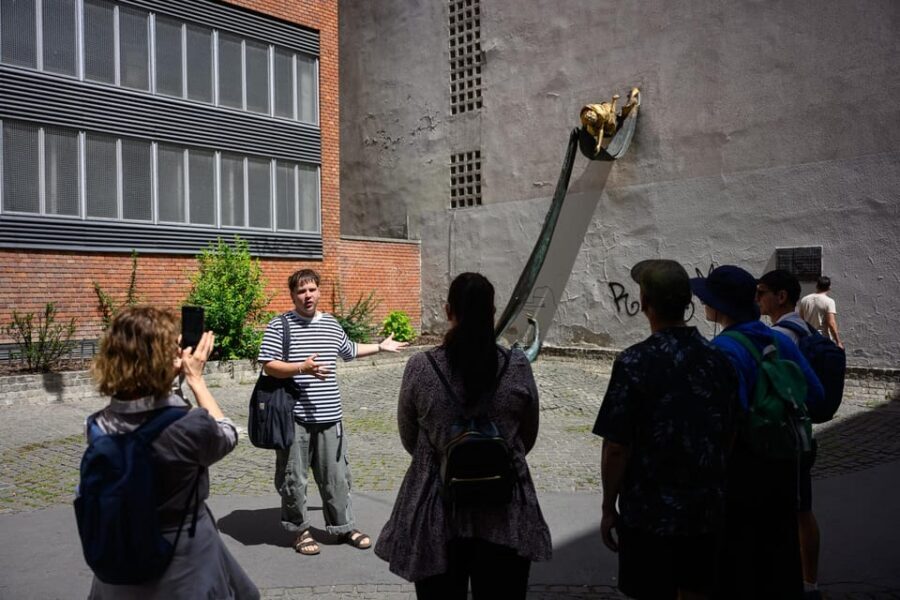
This is a 2-hour walking tour in English. You meet your guide at the Herzl Tivadar sign, and the route finishes back at the same meeting point. That matters more than it sounds. You don’t end up scrambling across town to catch a tram after the visit. It’s a clean start-to-finish experience.
In terms of pace, expect a steady walk plus guided time at the major stop inside the synagogue. There are also pass-by moments and photo stops, which help you keep momentum without turning the whole experience into nonstop standing. If you like structure—exactly where you’ll be, what you’ll see, and why—you’ll appreciate how the route is set up.
Also note a practical limit up front: the tour isn’t suitable for people with mobility impairments. If that affects you, it’s worth choosing a different format (seated or shorter walking) so you can enjoy it instead of fighting the pace.
Dohány Street Synagogue Area and the Story Behind the Stones
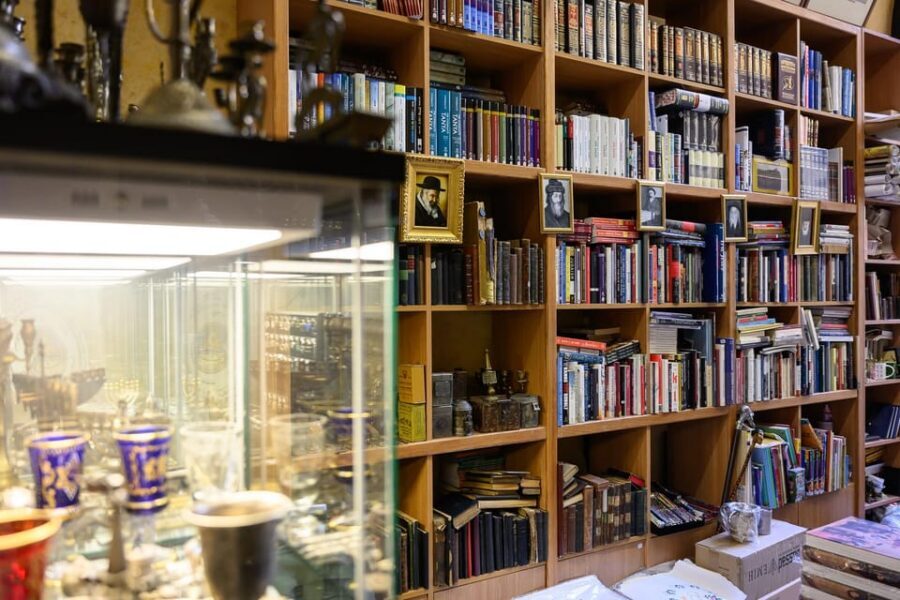
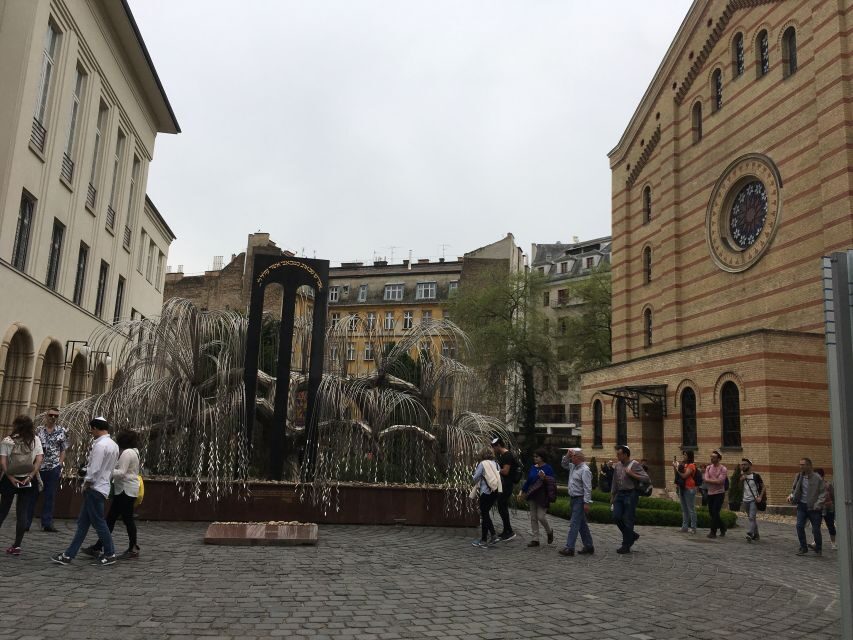
Your first major landmark is the Dohány Street Synagogue area. You’ll have an outside visit, and your guide uses that space to anchor bigger context. The Dohány Street Synagogue is described as the largest in Europe and the second largest in the world, so even before the history, it tells you the scale of the community that built it.
But what makes this stop useful isn’t the size alone. It’s the way your guide connects the synagogue to tradition and everyday life. When someone explains what the building represents—what it meant to worship there, how the community organized itself—it changes your view from architecture to meaning.
One drawback of outside-only viewing is that you won’t get the interior atmosphere here. You’re moving past the building to set context, then continuing. Still, if your goal is to understand the full Jewish story across multiple sites, this sequencing works well.
Wallenberg Holocaust Memorial Park: A Quick Stop That Carries Weight
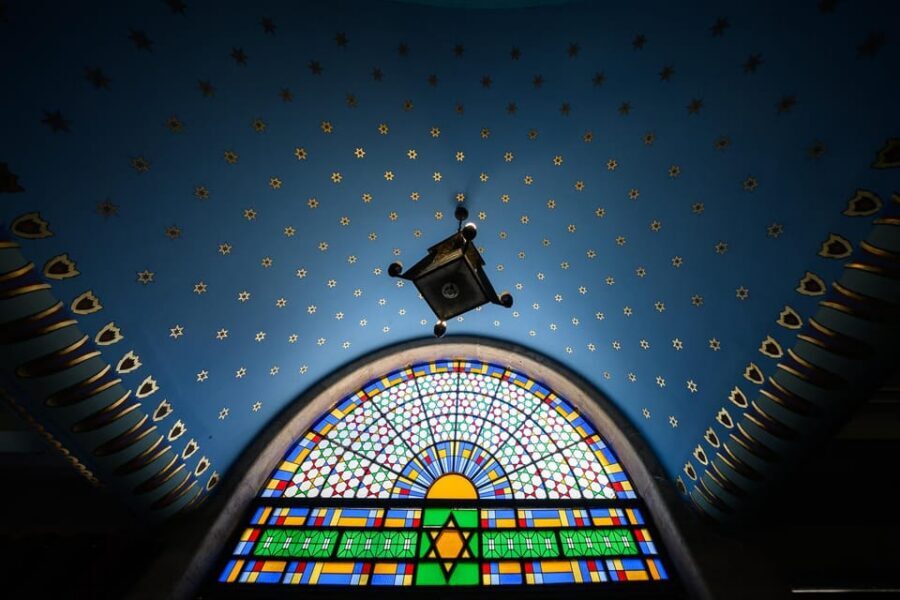
Next up is the Raoul Wallenberg Holocaust Memorial Park area. You’ll have a photo stop and pass by as your guide frames why Wallenberg’s story matters in this broader landscape of memory.
Even though it’s brief, this kind of stop is important for two reasons. First, it prevents the tour from becoming purely historical and distant. Second, it connects personal survival stories and moral action to the physical city you’re walking through.
This is also one of those moments where your guide’s tone matters. The tour’s format suggests a careful approach: you’re not just snapping pictures. You’re learning what to look for and why the memorial exists in that specific part of the city.
Jewish Quarter and the Guided Streetside Context
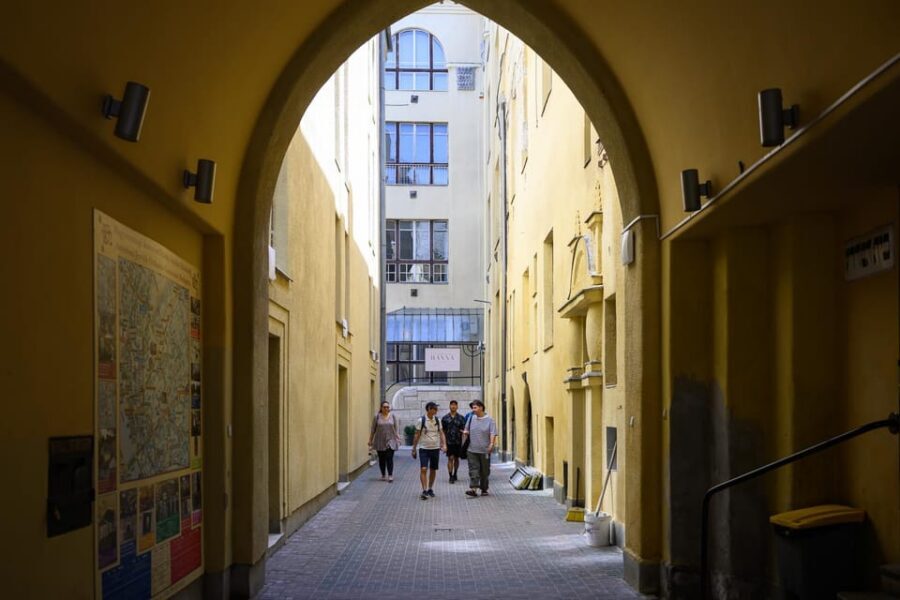
Then comes the Jewish Quarter segment, with a guided walk. This is where you start to feel how Budapest’s geography shaped community life. You’re not only visiting buildings; you’re learning how the neighborhood functioned as a place people lived, worked, and worshipped.
Your guide focuses on the history of Judaism in Hungary, including traditions, holidays, and day-to-day realities. That’s the part I find most valuable because it makes the sites understandable even if you don’t know much to start with. You’ll pick up a framework for reading what you see: why certain symbols, community institutions, and even street-level remnants matter.
One small consideration: since this part is guided walking, you’ll want to keep your attention on the explanations rather than treating it like open-air free time.
You can also read our reviews of more guided tours in Budapest






Rumbach Synagogue and the Ghetto Wall Fragment: Photo Stops With Purpose
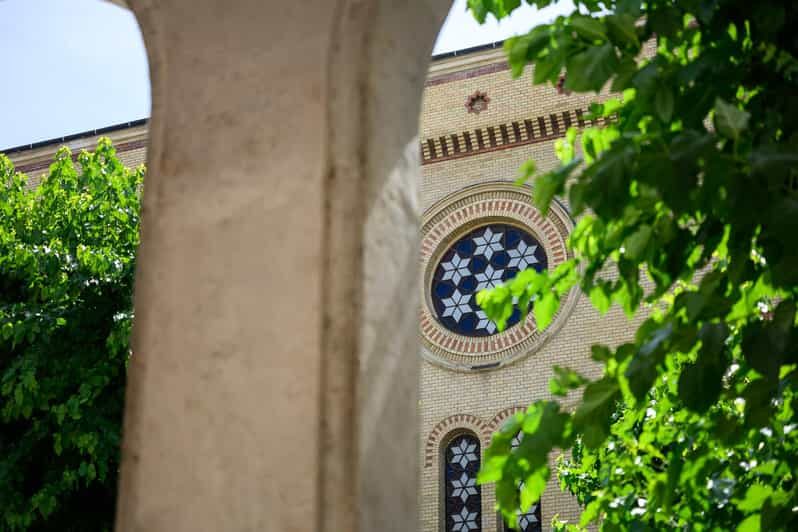
After the Jewish Quarter, you’ll stop at the Rumbach Synagogue area. It’s an outside/photo stop, with your guide passing by and giving context rather than taking you inside.
Outside stops can feel “less than” compared with interior visits—but here, the Rumbach stop still plays a role. It helps you map the synagogue triangle logic: different communities and different buildings connected by shared history, yet distinct in how they operate. If you’re the type who enjoys comparing style, location, and scale, Rumbach gives you that extra data point without taking over the time.
Then you’ll see a Jewish Ghetto Wall Fragment as another photo stop. This is where you start noticing the city differently. A fragment like this can look small from a distance, but it becomes powerful once you understand what it marks. Your guide’s commentary is the difference between seeing an old wall and grasping what the wall stood for.
In general, photo stops can be hit-or-miss on tours. This one seems designed to make those stops more than quick pictures.
Kazinczy Street Synagogue Interior Visit: The Tour’s Best Payoff
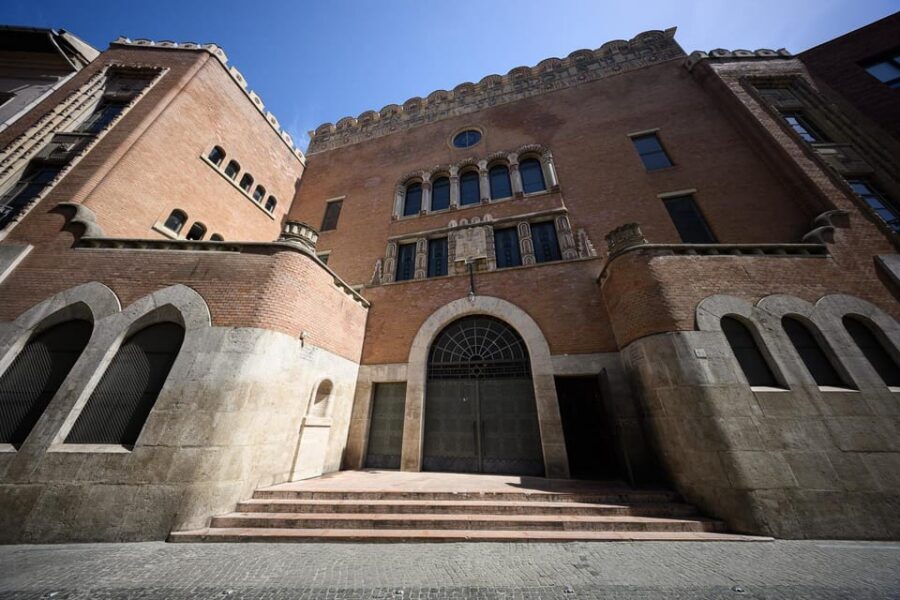
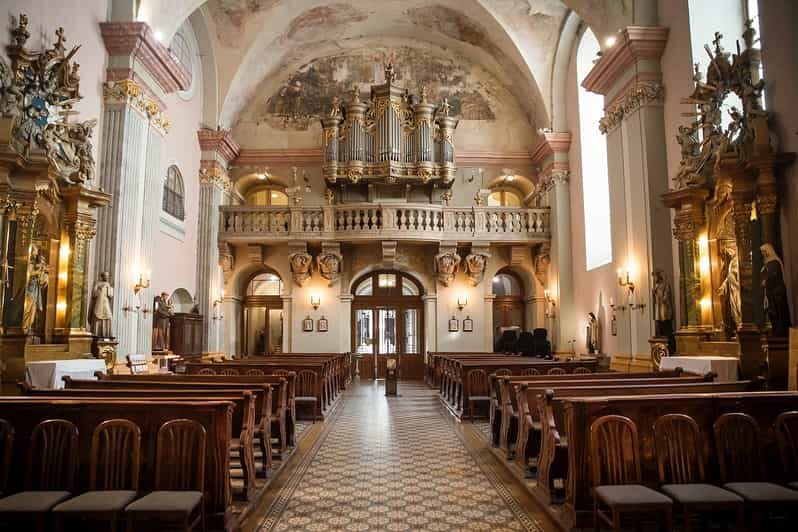
The final stop is the Kazinczy Street Synagogue, where the experience shifts from walking to doing. This is the interior visit with your ticket included, plus a guided tour.
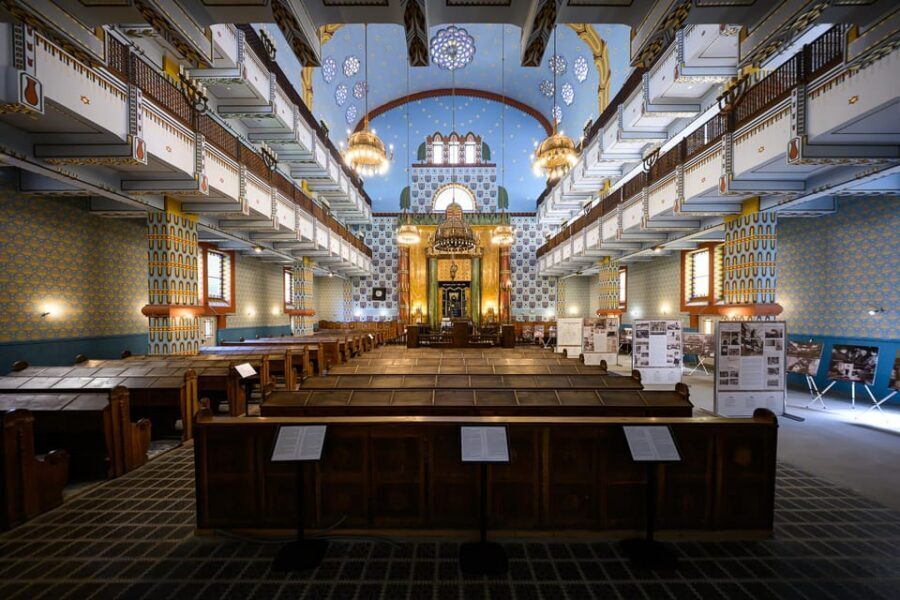
The synagogue is described as an art-nouveau-style building and as one of the largest operating orthodox synagogues in Europe. That combination matters. Art nouveau tells you it’s not just functional architecture. It’s also an expression of the time and the community’s confidence in building a strong public religious space.
The most prized part is the gallery access. Your tour includes an exclusive visit to the gallery that’s otherwise closed to the public. That’s not a small detail—it’s the reason I’d prioritize this specific tour. You’re not just going where everyone goes with a general ticket. You’re getting access tied to the guide and the structure of the experience.
A good guide can make that gallery time feel like the story’s “missing chapter.” From above, you often see how worship spaces work, how people gather, and how the building’s layout supports community life. Even if you don’t know any Hebrew terms yet, you’ll leave with a clearer sense of how this synagogue functions as a living institution.
Price and Value: What $34 Covers (and Why It’s Fair)
At $34 per person for a 2-hour English walking tour, the price is mainly about three things you’re getting together:
- A local expert guide for the full route (the explanations are a core part of the value)
- Entry/ticket coverage for Kazinczy Street Synagogue
- An exclusive gallery visit that’s normally closed
If you were trying to do this on your own, you’d likely spend time coordinating multiple visits and you might not get the same access to the gallery. Bundling guide + admission + gallery access is what keeps this from feeling like a simple walking tour.
Also, you’re not paying extra to “survive” a long day. It’s just two hours. In Budapest, that’s often ideal if you want a cultural experience without turning the rest of your day into cleanup time.
Who This Tour Fits Best (and Who Should Think Twice)
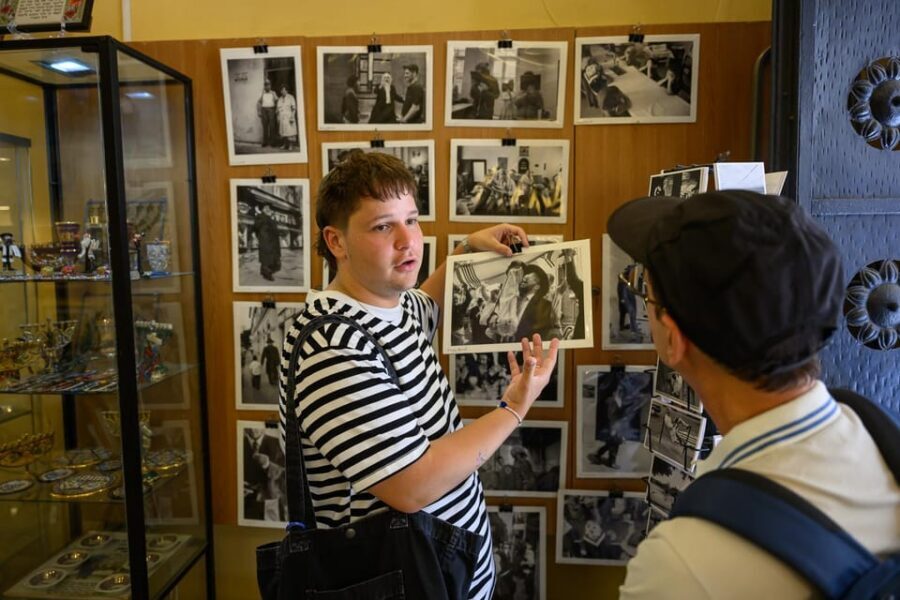
This tour is a great match if you want:
- A structured intro to Jewish history, tradition, holidays, and everyday life in Hungary
- A guided walk that connects several key sites instead of one-off sightseeing
- Interior access where it counts, especially the Kazinczy gallery visit
It may be less ideal if:
- You need a fully step-free, low-walking experience (it’s not suitable for people with mobility impairments)
- You’re traveling with pets inside places of worship. Pets aren’t allowed inside synagogues, though they’re welcome during the walking parts.
If you’re coming to Budapest for architecture, history, or religion, you’ll likely enjoy this. If you’re only looking for quick photos and don’t want explanations, you might find that guided time takes a bit of your attention. The tour is built for learning, not for sprinting.
Practical Expectations While You Walk
Here’s how to make your experience smoother:
- Plan for a steady walking + stopping rhythm for the full 2 hours.
- Expect a mix of outside views, pass-by moments, photo stops, and one main interior visit at Kazinczy.
- Bring a camera, but also be ready to look up specific details your guide points out. The gallery visit at Kazinczy is where your camera angles can really pay off.
- If you’re sensitive to heavy topics, know the route includes Holocaust memory elements (including the Wallenberg memorial park). The structure suggests it’s handled with context, not shock tactics.
Finally, this tour is English-only, so it’s best if English is comfortable for you.
Should You Book This Budapest Jewish History Tour?
Yes—if you care about getting the story behind Budapest’s Jewish landmarks and you want real access at the finish line. The Kazinczy Street Synagogue interior visit plus the exclusive gallery is the standout reason to choose this over a standard pass-through.
Book it if you’re the kind of traveler who likes guided structure: you’ll meet at Herzl Tivadar, follow a tight route, and end where you started. It’s also a good value when you compare “guide time + synagogue ticket + gallery access” as one package.
Skip it if mobility is an issue or if you’d rather do your own self-guided synagogue time without a guide leading you through the history and tradition.
In short: this is a focused, high-impact Jewish history walk, and the last stop gives you something most visitors don’t get.
FAQ
How long is the Budapest Jewish history walking tour?
It lasts 2 hours.
Is the tour available in English?
Yes, the tour is English only.
What’s included with the price?
The tour includes a local guide, the walking tour, and admission to the Kazinczy Street Synagogue, including a guided visit to the gallery.
Where do I meet the guide?
Meet your guide at the Herzl Tivadar sign. The tour ends back at the meeting point.
Can I bring pets?
Pets are not allowed inside the synagogue, but they are welcome during the walking tour.
Is the tour suitable for people with mobility impairments?
No, it is listed as not suitable for people with mobility impairments.