REVIEW · BUDAPEST
Budapest: Concert on the Oldest Working Organ in the City
Book on GetYourGuide →Operated by Teleki Miklós · Bookable on GetYourGuide
Old pipes, calm streets, and real music. It’s a 70-minute organ and chamber concert in a Baroque church where you can hear Budapest’s oldest working organ up close. I love the combination of live classical music with a venue that feels made for listening.
You’ll get familiar composers alongside Hungarian organ treasures, and the main organist is typically Miklós Teleki, a serious pro with tons of recital experience. One possible drawback: you can’t record video or audio, and it’s not a giant cathedral organ sound—this one is a 25-pipe instrument, so the magic is about detail, not volume.
In This Review
- Key Things You’ll Notice
- St. Michael’s Church and the White Corner You’re Looking For
- What Happens During the Concert (And Why It Feels So Smooth)
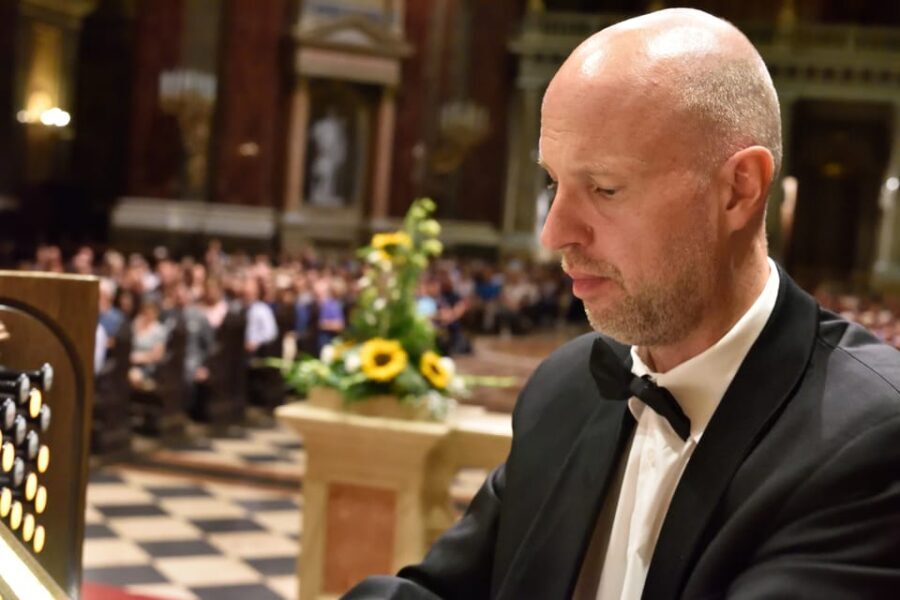
- The Star of the Show: Miklós Teleki and Guest Organists
- Budapest’s Oldest Working Organ: Small Instrument, Big Impact
- Typical Programme Highlights (From Bach to Old Hungarian Pieces)
- Organ masterpieces you might hear
- Why this mix is good value
- The Atmosphere: Baroque Church Listening, Not a Background Show
- Practical Tips That Make the Evening Easier
- Who This Is Best For (And Who Might Skip It)
- Dates to Know: Special Concerts and Chamber Music Evenings
- Should You Book This Concert?
- FAQ
- How long is the concert?
- Where is the meeting point?
- What will I hear: organ, chamber music, or both?
- Who is the main organist for the series?
- Are there any other performers on certain dates?
- Is there an English introduction?
- Can I record video or audio during the concert?
- What pieces or composers are included?
- Is transportation included?
- What if I need to cancel?
Key Things You’ll Notice
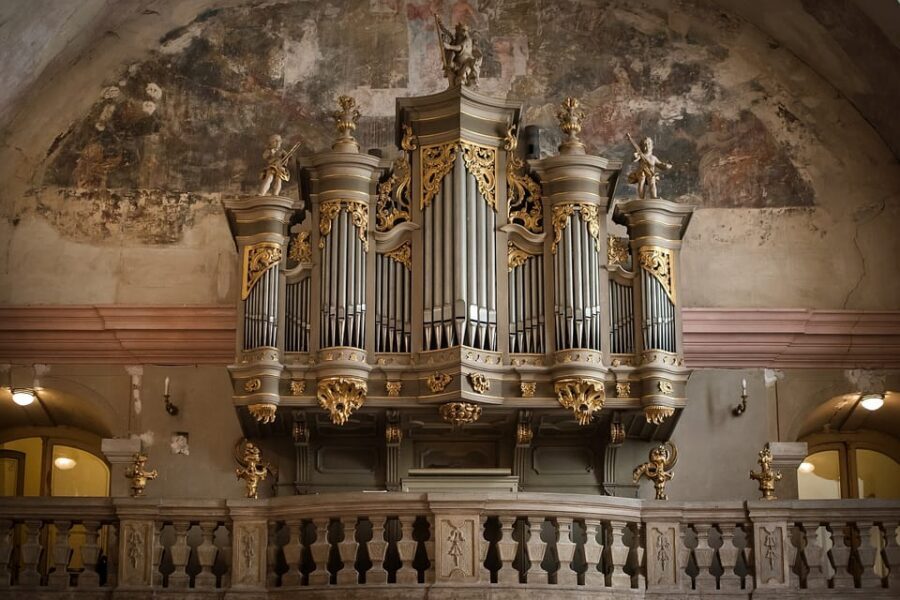
- Budapest’s oldest working organ: installed in St. Michael’s Church and built for clear, musical sound.
- Short, focused 70 minutes: easy to fit into an evening without eating your whole night.
- Miklós Teleki leads the series: often on the bench, with other organists on select dates.
- English support is built in: an introduction and a programme leaflet in English and Hungarian.
- Program varies by day: expect Bach, Mozart, Liszt, Handel, Dubois, and even old Hungarian organ pieces depending on the concert.
- No recording allowed: you’ll actually pay attention, which is honestly a win.
St. Michael’s Church and the White Corner You’re Looking For
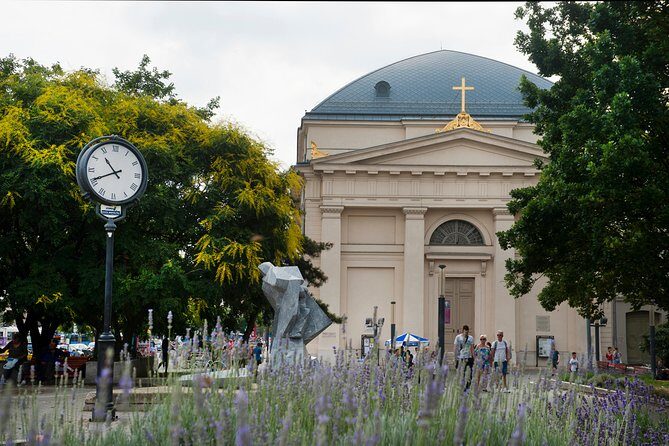
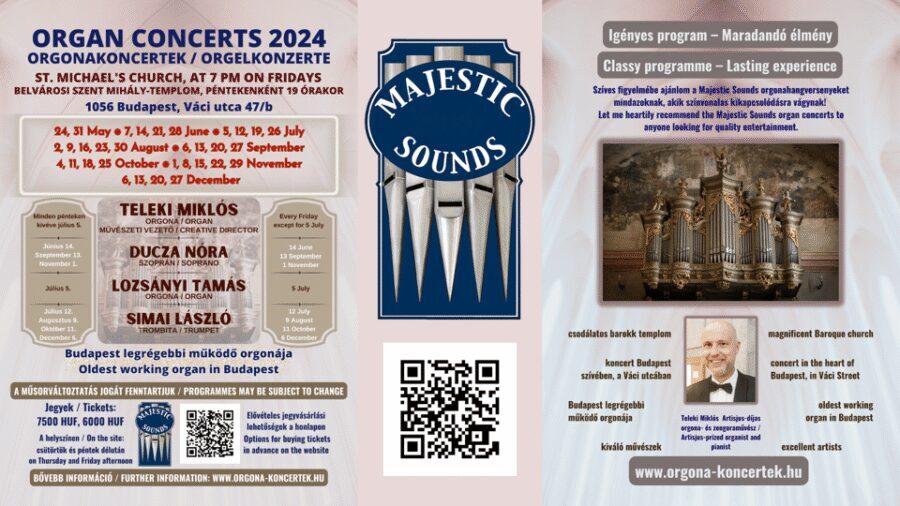
This concert meets at a very recognizable spot in District V, near the Danube. Look for the white church building on the corner of Váci utca and Nyáry Pál utca, zip code 1056. It’s an easy walk for anyone already spending time along the river.
You can plan your arrival with the event duration in mind: the concert itself runs about 70 minutes. Then factor in a little time to get seated, grab the programme leaflet, and settle in. The venue is meant for listening, not rushing.
If you’re coming from a busy day of sightseeing, this is the kind of evening that lets your brain switch gears. You’re trading traffic noise and shoe pain for steady organ lines and chamber textures.
You can also read our reviews of more city tours in Budapest



What Happens During the Concert (And Why It Feels So Smooth)
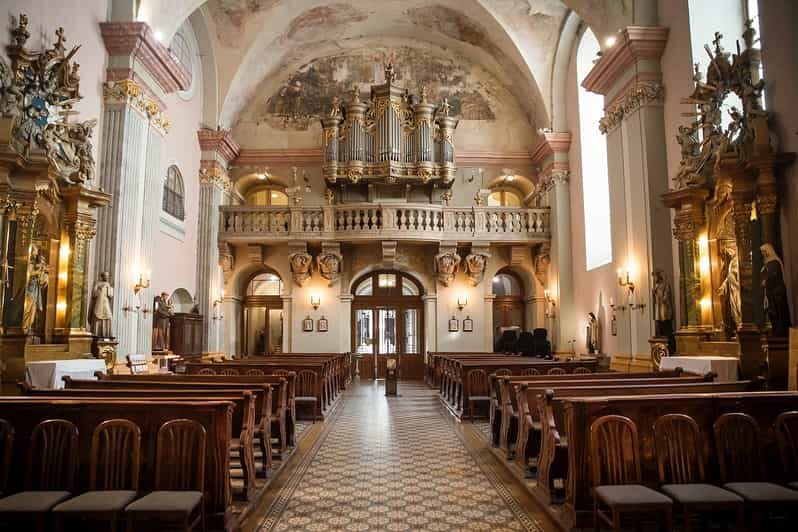
The evening starts with a short introduction in English and Hungarian. The goal is simple: get you oriented so you can follow the programme, even if you’re not an organ expert.
After that, the music takes over. You’ll usually hear either a solo organ programme or chamber music depending on the date. The series also uses a screen so you can see the organist while the concert is running, which helps you connect what you hear to what your eyes can track.
The programme itself is printed as a leaflet, and it includes background details about the organ and the pieces. This is one of those small touches that makes the time feel longer in a good way, because you’re not just listening—you’re following.
Etiquette is straightforward. You’re there to listen. And yes, you should know in advance that video recording and audio recording are not allowed. So bring your curiosity, not your camera.
The Star of the Show: Miklós Teleki and Guest Organists
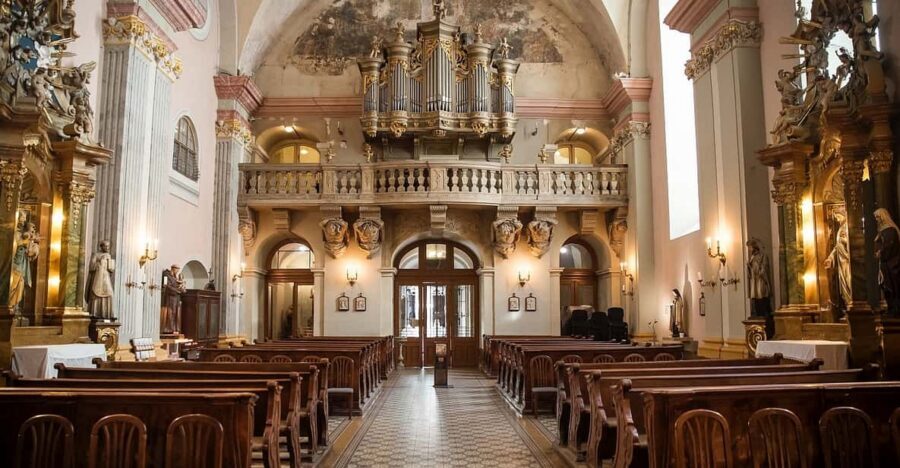
Most often, this series is anchored by Miklós Teleki. He’s the creative director and main organist of the Majestic Sounds series and is an award-winning Hungarian musician who gives around 120 organ and piano recitals a year.
On select dates, you’ll hear other organists too. On 4 July, the organist is Andres Uibo from Estonia. On 31 October, the musician is Tamás Lozsányi, also Hungarian. So if you have a composer or a performer you’re hoping to hear, check the specific date you’re booking.
At chamber music concerts, you may hear not just the organ but also vocal music. The soprano scheduled for these dates is Nóra Ducza, paired with Teleki for performances on 30 May, 18 July, 29 August, 17 October, and 23 December.
This matters because organ concerts can sometimes feel like one long soundscape. Adding a soprano (when scheduled) brings contrast and a new kind of emotional arc to the programme.
Budapest’s Oldest Working Organ: Small Instrument, Big Impact
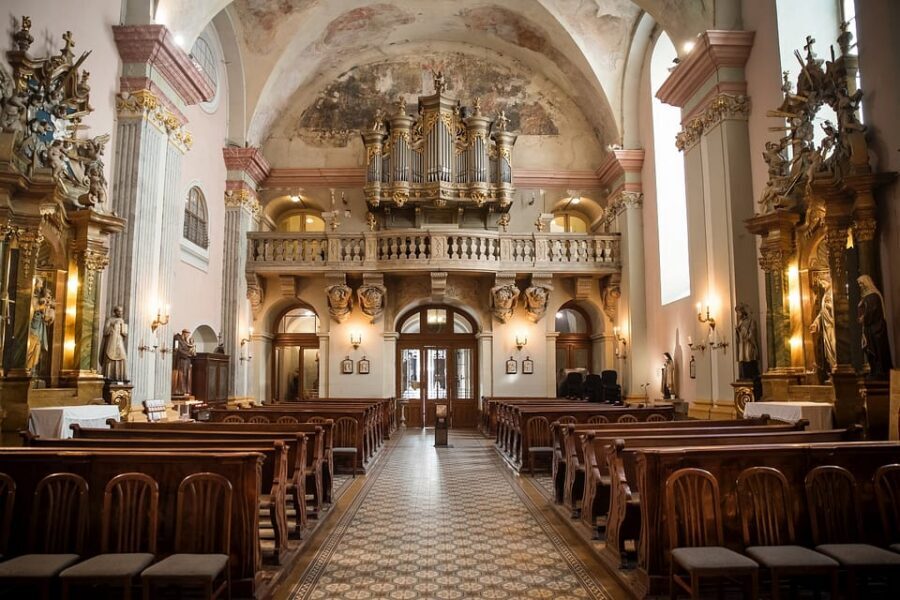
This isn’t a huge cathedral organ. It’s a 25-pipe instrument installed in a church setting with a specific kind of acoustic mix—part instrument, part architecture. That’s why the experience can feel so intimate, even though the music is serious and technical.
Think of it like this: a small organ can still sound full when the acoustics cooperate. The “wow” isn’t just loudness. It’s clarity. You can often hear structure: the way a fugue line weaves through itself, the way a chorale moves in slow gravity, or the way a toccata hits like fingers flying across keys.
And because it’s the oldest working organ in Budapest, it carries a sense of continuity. You’re not just hearing a concert—you’re listening to an instrument that’s been part of musical life in the city.
Typical Programme Highlights (From Bach to Old Hungarian Pieces)
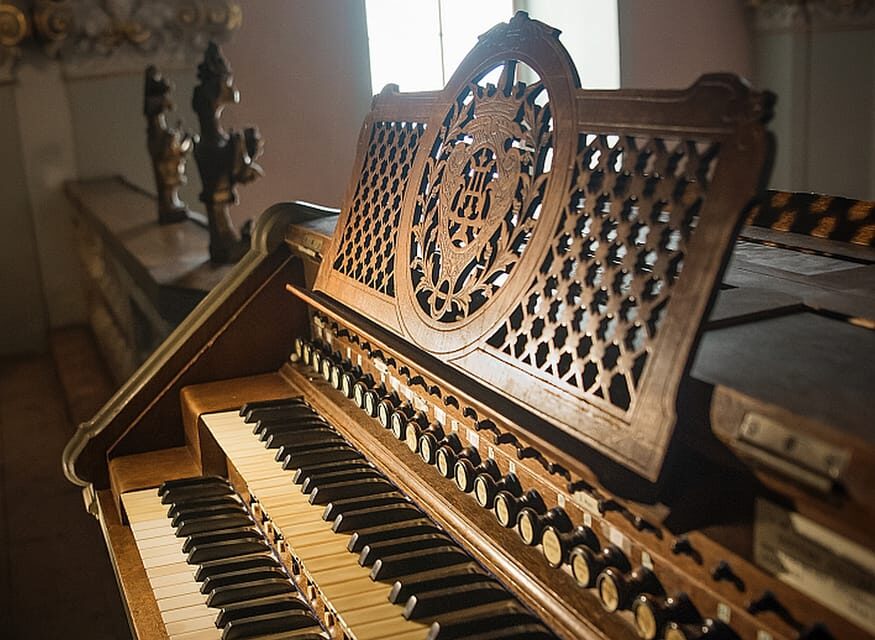
The programme changes by date, but the series consistently focuses on music that rewards attention—work that sounds great on an organ and also holds up in a live listening room.
Here are examples of how the booking pages describe the concerts:
You can also read our reviews of more tours and experiences in Budapest





Organ masterpieces you might hear
One example programme includes J. S. Bach pieces like:
- Prelude and Fugue in B minor, BWV 544
- Trio Sonata in E flat major, BWV 525
- Prelude and Fugue in E flat major, BWV 552
You might also hear Baroque-to-Romantic bridges like Vivaldi arranged or paired through Bach connections.
Another example programme leans across composers and includes:
- Mozart: Fantasy in f minor
- Liszt: Consolation in D flat major and Choral: Nun danket alle Gott
- Dubois: In Paradisum and a Toccata in G major
- Bach: Nun komm, der Heiden Heiland, BWV 659 and Toccata and Fugue in D minor, BWV 565
The series also includes older Hungarian organ music. For one noted programme, that includes six old Hungarian organ compositions from Kilián Szigeti’s collection.
Why this mix is good value
If you love famous composers, you’ll get the recognizable names: Bach, Mozart, Handel, Vivaldi, and others. If you like variety, you’ll also get pieces that aren’t just there for name recognition. Old Hungarian organ music helps you experience Hungarian musical tradition in a setting that feels purpose-built for it.
The Atmosphere: Baroque Church Listening, Not a Background Show
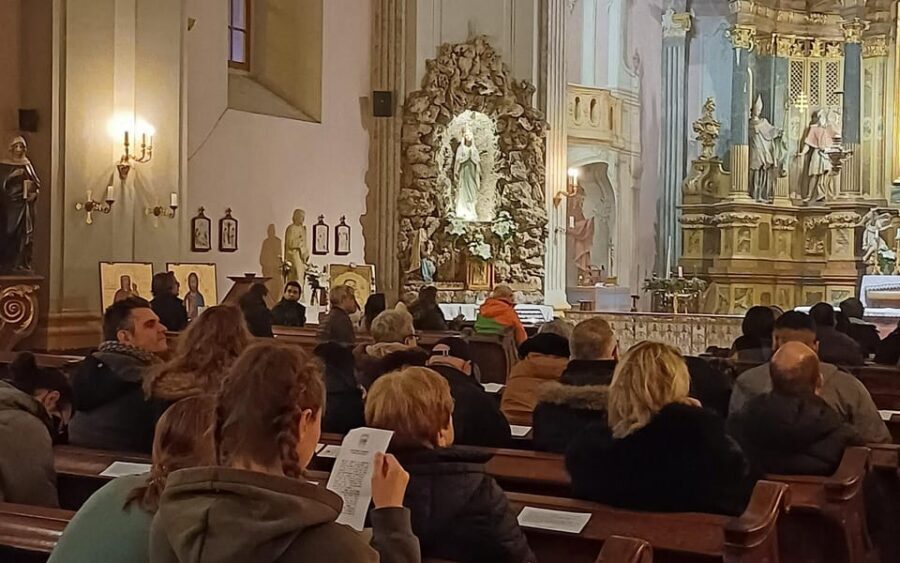
This is a peaceful setting designed for concentration. The church atmosphere matters because organ music lives on sustained sound and subtle changes. In a room that doesn’t fight the music, you can actually hear transitions.
The venue is beautiful, and that’s not just aesthetics. A calmer, more reverent space helps you listen to phrasing rather than just sound effects. I like that the concert doesn’t try to turn classical music into entertainment-with-attitude. It’s music, performed well, in a setting that respects it.
There’s also an English introduction plus an English-language programme leaflet. So if you don’t read music, you’re not completely in the dark. You’ll still understand what you’re listening for.
Practical Tips That Make the Evening Easier
Here are a few things that help you have a smoother experience:
- Arrive a bit early so you can settle without rushing. The concert is 70 minutes, so once it starts, it starts.
- Use the leaflet. Even a quick scan helps you connect the piece name to what you’ll hear next.
- Look for the organist on the screen during the performance. It makes the playing feel more tangible.
- Don’t plan on recording. Video and audio recording are not allowed, so leave the temptation behind.
- Wear comfortable shoes. You might walk from where you’re staying, and the rest is sitting.
Price is $24 per person, which is fairly reasonable for a live concert in a historical instrument setting. You’re paying for a real performance, a high-skill musician, and an intimate listening space—this isn’t a long bus-and-ticket ordeal.
Who This Is Best For (And Who Might Skip It)
You’ll enjoy this most if you want:
- a calm evening plan in Budapest
- live classical music with clear structure
- organ music performed with technical skill and musical feeling
- a setting that makes listening feel natural
This also works well if you’re a composer-listener rather than a sightseeing-only person. If you like hearing famous works like Bach and Mozart but also want something tied to Hungarian tradition, you’re in the right place.
You might want to skip it if:
- you’re looking for a loud, dramatic production
- you want to record yourself or take audio/video during the concert
- you dislike seated listening experiences without a lot of breaks
Dates to Know: Special Concerts and Chamber Music Evenings
The series notes special timing in 2025, including Tuesday night concerts on 23 and 30 December. So if you’re in Budapest near those dates, this could be a nice alternative to the usual holiday crowds.
Chamber music concerts with soprano Nóra Ducza happen on:
- 30 May
- 18 July
- 29 August
- 17 October
- 23 December
If you’re trying to plan around a specific performer, use the date as your guide. The organist lineup can change on select dates, so checking the programme for your day is worth the minute it takes.
Should You Book This Concert?
Yes—if you’re the type of person who enjoys quiet, focused art and wants a Budapest evening that feels genuine. For $24 and 70 minutes, you get a real classical concert in a real church setting, tied to an instrument with serious local significance.
Book it especially if you like Bach, Mozart, Liszt, Handel, Vivaldi, or Dubois. Even if you don’t know organ music well, the English introduction and programme leaflet help you follow along without turning it into homework.
If you care about recording your experience, or you prefer huge-scale venues, then you might hesitate. But if you want excellent performance and a calm atmosphere where you can actually listen, this one is a strong choice.
FAQ
How long is the concert?
The concert lasts about 70 minutes.
Where is the meeting point?
It starts at the white church building at the corner of Váci utca and Nyáry Pál utca in Budapest’s 5th District (1056), near the Danube.
What will I hear: organ, chamber music, or both?
You’ll hear solo organ music or chamber music depending on the date of your visit.
Who is the main organist for the series?
The creative director and main organist is Miklós Teleki, and he performs at almost all recitals except for a few specific dates.
Are there any other performers on certain dates?
Yes. Andres Uibo plays the organ on 4 July. Tamás Lozsányi plays on 31 October. For chamber music concerts, Nóra Ducza joins Teleki on scheduled dates.
Is there an English introduction?
Yes. There is a short introduction in English (and also Hungarian).
Can I record video or audio during the concert?
No. Video recording and audio recording are not allowed.
What pieces or composers are included?
The programmes may include works by composers such as J. S. Bach, Dubois, Franck, Handel, Liszt, Mendelssohn, Mozart, Purcell, Vivaldi, and also old Hungarian organ compositions depending on the concert date.
Is transportation included?
No. Transportation is not included.
What if I need to cancel?
Free cancellation is available up to 24 hours in advance for a full refund.