REVIEW · BUDAPEST
Budapest: Walking Tour in German
Book on GetYourGuide →Operated by Tourist Angel · Bookable on GetYourGuide
A short walk can teach a city’s whole personality. This 3-hour German-language tour strings together centuries of Hungarian life, from old Pest streets to fortress views in Buda. I like how you get clear, Germany-friendly explanations that make landmarks easier to place fast, and I also like the way you spend real time around the big highlights like St. Stephen’s Basilica and Matthias Church. One thing to plan for: shorts aren’t allowed, and you’ll use public transport to cross the Danube, so comfy clothes matter.
You’ll cover a lot without feeling rushed—more “smart orientation” than checklist tourism. The pace is built for seeing the classic sights from the ground, plus getting city viewpoints that are hard to reproduce solo. And if you’re lucky with your guide, you may even get a memorable cultural extra—one German-speaking guide named Ursula added a Hungarian song moment in a recent group.
In This Review
- Key Things You’ll Appreciate Most
- Why a German-Led Walk Makes Budapest Click
- Starting by St. Stephen’s Basilica: Your “North Star” Moment
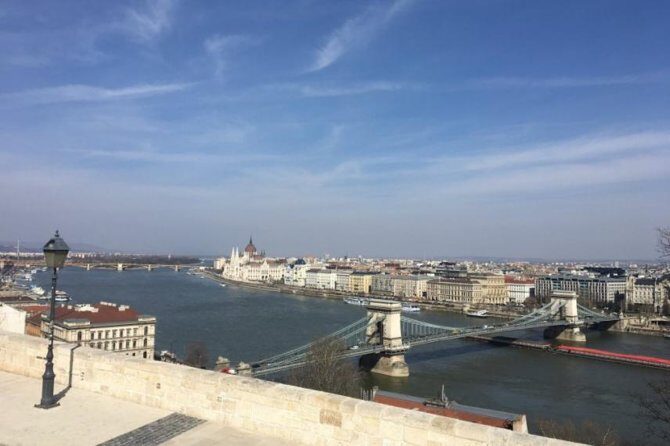
- Leopoldstadt and the Chain Bridge: How the Danube Split Gets Explained
- St. Stephen’s Basilica and Hungarian Parliament: Big Symbols, Clear Meaning
- Buda Castle and Matthias Church: Fortress Views With Gothic Detail
- Royal Palace, President’s Palace, and the Castle Quarter: Where Politics Lives in Stone
- Fisherman’s Bastion: Views That Feel Like a Reward
- The 1,100-Year Timeline: How You Can Absorb So Much in 3 Hours
- Price and Value: $41 Worth It, With One Small Add-On
- Pace, Clothing, and Group Style (Plus the Shorts Rule)
- Who Should Book This Tour (And Who Might Skip It)
- Should You Book This Budapest Walking Tour in German?
- FAQ
- How long is the Budapest walking tour in German?
- What language is the tour guide?
- Where do we meet?
- What sights are included?
- Is the public transport cost included?
- Are there any dress rules?
Key Things You’ll Appreciate Most
- German-speaking guide who explains what you’re seeing in plain language
- St. Stephen’s Basilica as a central anchor stop for orientation
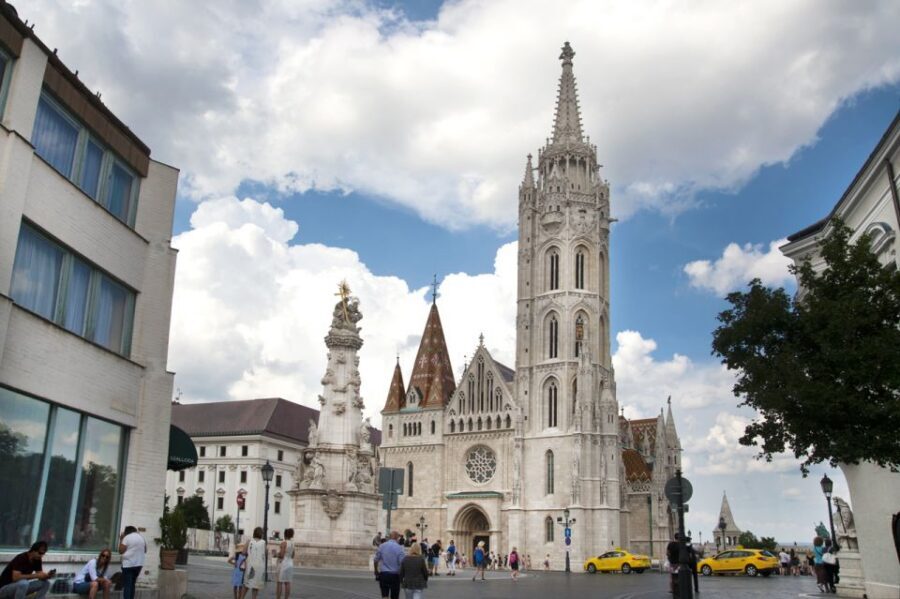
- Buda Castle Quarter and Matthias Church for Gothic detail and photo-worthy angles
- Fisherman’s Bastion views that feel earned after the walk up
- Public transport Danube crossing that connects Pest and Buda without guesswork
- Guides like Ewa, Ursula, and Monika who add small human touches, from practical tips to cultural moments
Why a German-Led Walk Makes Budapest Click
Budapest is easy to overwhelm yourself with. You see photos of the same skyline from ten angles, but it doesn’t automatically tell you why those buildings matter.
This tour helps because it’s structured around the story of the Hungarian kingdom and its modern turns. You’ll move through the city’s older parts and keep learning as the scenery changes from Pest to Buda. That flow matters: you’re not only collecting sights, you’re building a mental map.
The German language guide also has a practical advantage. You get the kind of explanation that stays with you—why this area grew, why this architecture looks the way it does, and what changed over centuries. In past tours, guides such as Ewa and Ursula stood out for making the details feel personal, not like a lecture.
You can also read our reviews of more walking tours in Budapest



Starting by St. Stephen’s Basilica: Your “North Star” Moment
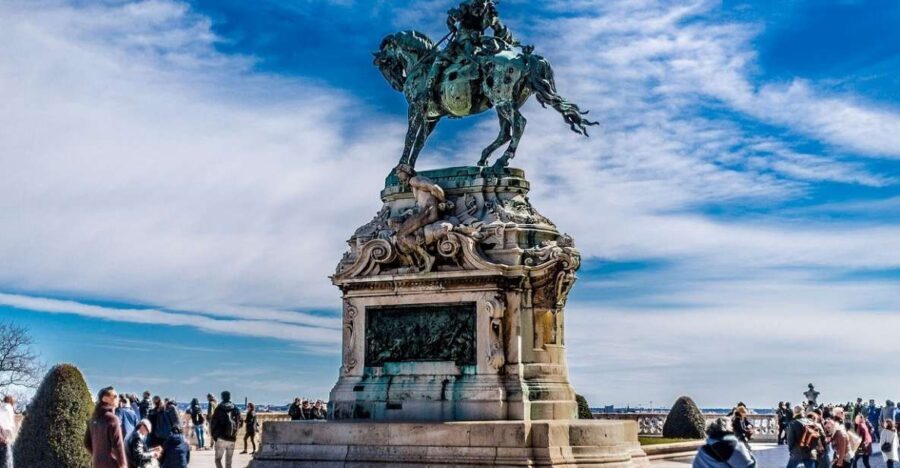
The meeting point is right by Saint Stephen’s Basilica, in front of the California Coffee Company. That’s a smart start because the basilica is a natural landmark. Once you see the building at the beginning, the rest of the route feels more connected instead of random.
From there, you’ll get oriented around central Budapest and the main “spines” of the city. Your guide sets the tone early, explaining what you’re looking at and what to notice as you walk.
A quick practical tip: arrive a few minutes early so you can match your group and settle in. And if you’re planning photos, keep an eye on light and angles—this area changes fast as people funnel in and out.
Leopoldstadt and the Chain Bridge: How the Danube Split Gets Explained
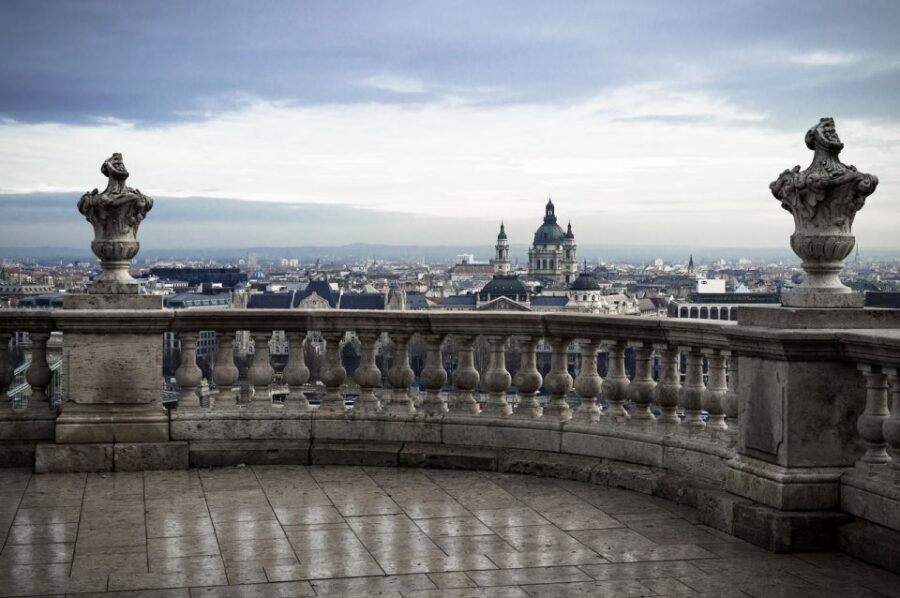
One of the best parts of this tour is that it doesn’t treat the Danube as scenery. You actually cross it using public transport to connect Pest and Buda, which forces you to understand the city as two halves with different vibes.
The tour takes you through Leopoldstadt and along the route toward the Chain Bridge area. You’ll learn how Budapest’s identity formed and why the geography matters. It’s not just geography class—this is the framework for understanding the monarchy-era power centers and later political shifts.
Also, this is where the tour stays practical. You’re not guessing which tram or bus to use, and you’re not stuck doing a long detour just to get from one side to the other. The tradeoff is simple: you’ll need to budget for those public transport tickets.
St. Stephen’s Basilica and Hungarian Parliament: Big Symbols, Clear Meaning
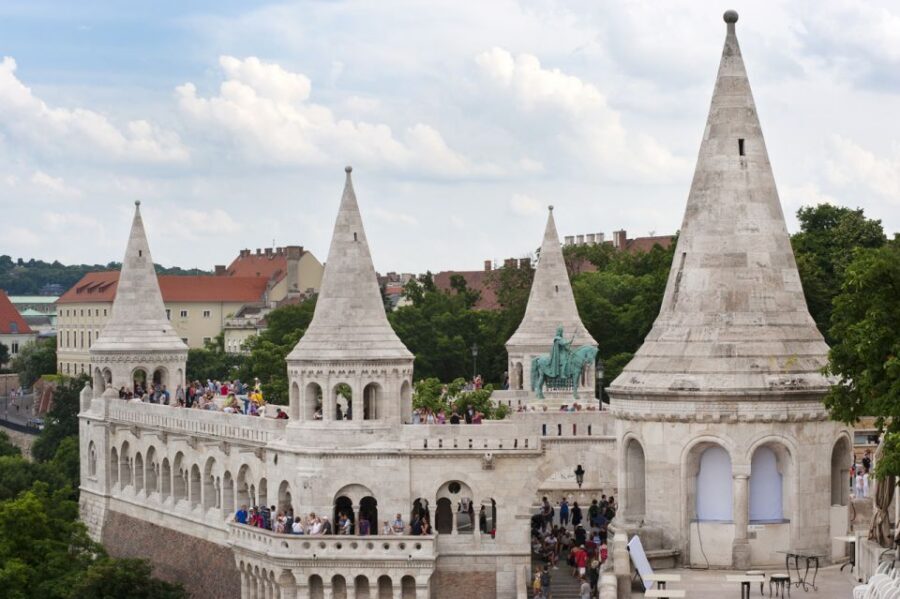
Two of the biggest landmarks on your route are St. Stephen’s Basilica and the Hungarian Parliament. Even if you’ve seen pictures, being there in person changes how you read the buildings.
The basilica stop is more than a photo moment. Your guide uses it as a reference point for the country’s identity—who it considers important, and how architecture becomes a public statement across time. If you like learning while you look, this is where the tour clicks.
With the Parliament, the value is interpretation. You’ll get the background to understand why it looks the way it does and what role these kinds of civic spaces played. Expect the guide to point out details and connect them to broader events in Hungarian history.
I especially like that these stops aren’t treated as random “must-sees.” They’re woven into the bigger timeline you’ll hear throughout the walk.
Buda Castle and Matthias Church: Fortress Views With Gothic Detail
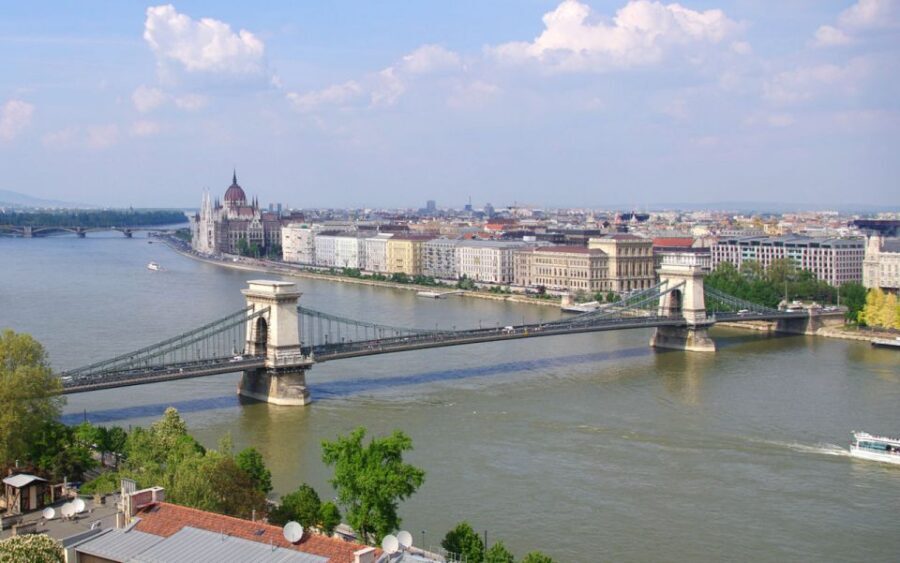
Once you’re in the Buda Castle area, the feel changes immediately. The tour takes you to the fortified Buda Castle zone and the Matthias Church, including the kind of Gothic architecture that can be hard to appreciate on your own.
Here’s why this part is worth paying attention to: the castle district isn’t just pretty. It’s the physical clue to how power worked in earlier centuries. Your guide connects what you see—walls, stone, and the layout of the area—to the historical realities of the region.
At Matthias Church, don’t just look up and move on. Let your guide’s explanations slow you down a bit. Gothic details can be easy to miss if you’re speed-scrolling with your camera. When a guide points out what to notice, the building becomes more than a landmark.
And yes, this is where the city viewpoints start to matter. You’ll get the kind of angles that make Budapest look like the postcard version—but with a reason you understand.






Royal Palace, President’s Palace, and the Castle Quarter: Where Politics Lives in Stone
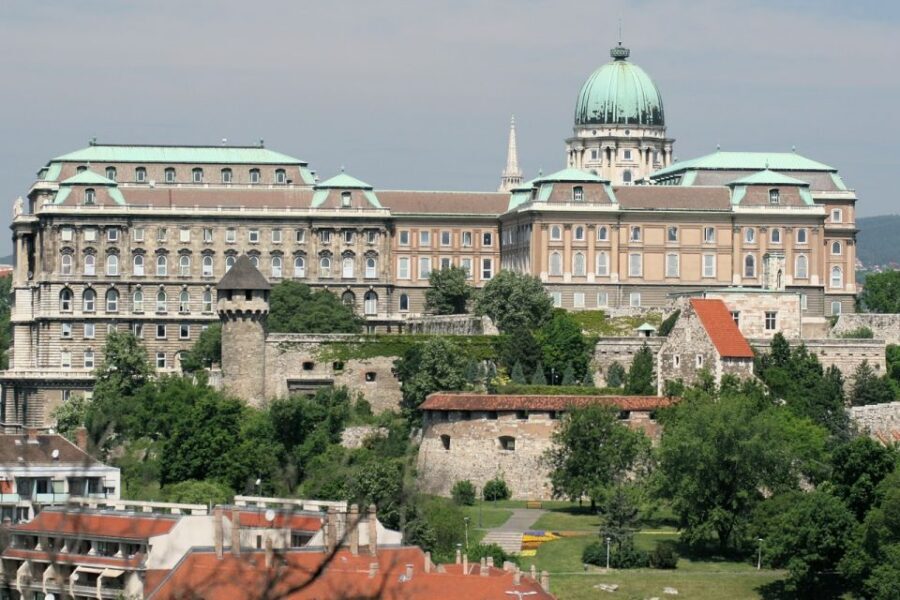
The tour also includes stops around the Royal Palace and the President’s Palace, plus time in the Castle Quarter. These aren’t only “pretty facades.” They reflect how Hungary’s leadership and institutions changed across time, from monarchy-era rule to modern government.
I like this segment because it bridges old and new. Budapest can feel like two different cities depending on which side you’re standing on. Here, your guide helps connect centuries of governance so the area doesn’t feel like a history theme park.
If you’re the type who usually rushes through buildings, this is where you should slow down. The explanations help you notice what’s old, what’s been shaped by later needs, and how public power shows up in design and placement.
Fisherman’s Bastion: Views That Feel Like a Reward
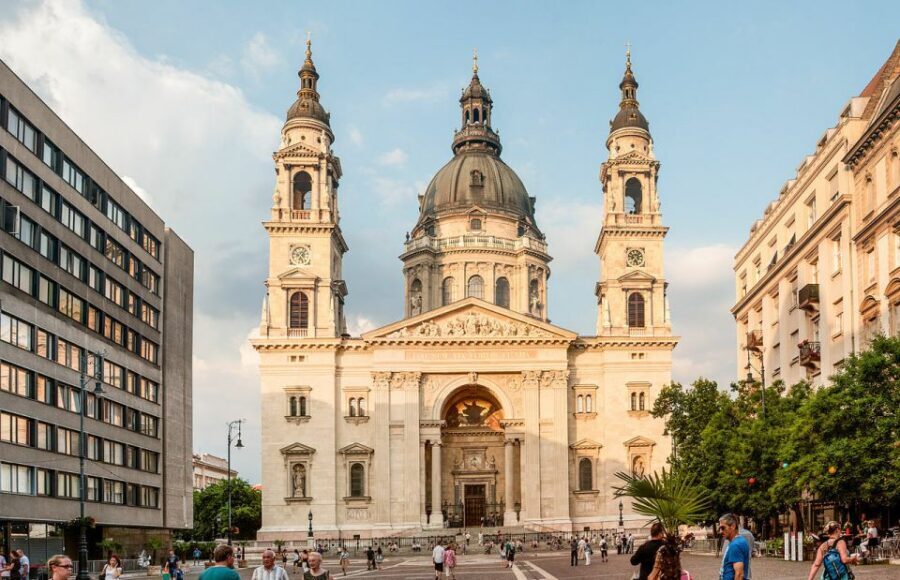
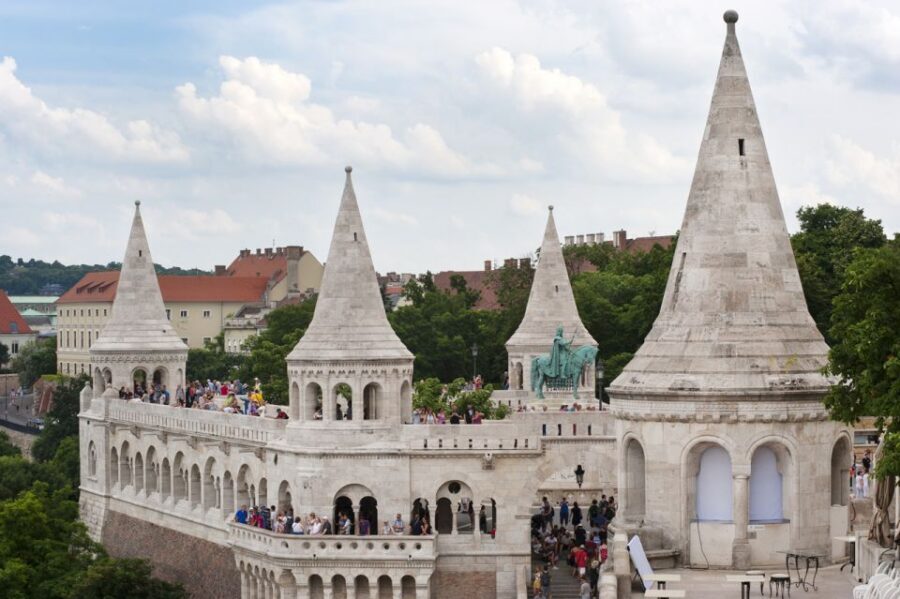
Fisherman’s Bastion is one of the stops where you’ll be glad you walked. The views from there are dramatic, and your guide makes sure you understand what you’re looking at—so it becomes more than a skyline photo.
The reason it works inside this tour format is timing and context. You’ve already been hearing about the old parts of the city, the Danube’s importance, and the castle district’s role. So when you finally look out over the city, the view lands with meaning.
Practical note: this area can get crowded at peak times. Give yourself a moment to step aside for photos or to simply watch the light. The goal isn’t to fight for the perfect shot. It’s to get the full sense of where you are.
If you like viewpoints, this stop is one of the highlights you’ll remember after the rest of your Budapest photos blur together.
The 1,100-Year Timeline: How You Can Absorb So Much in 3 Hours
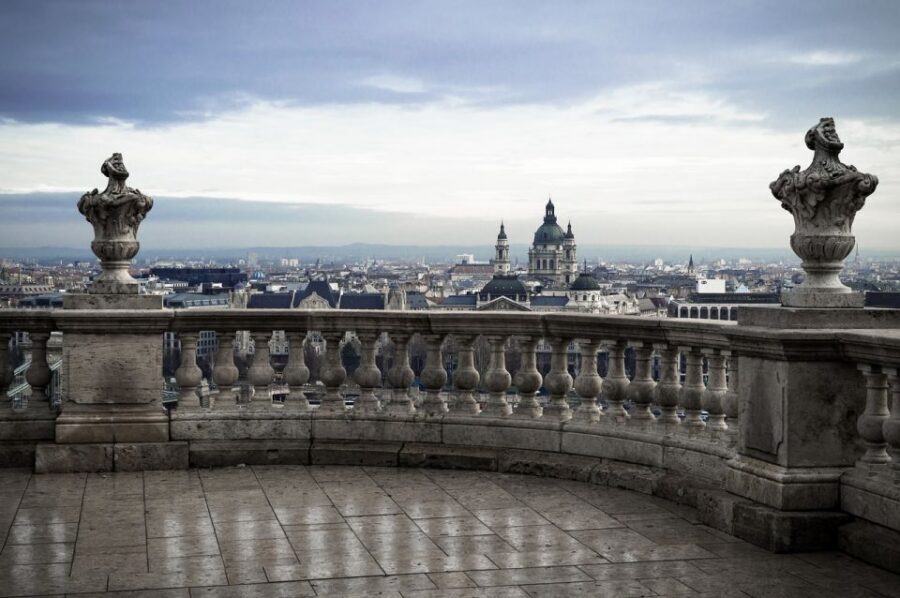
A lot of walking tours promise “history,” then give you a few dates and a shrug. This one aims to do better by moving you through the key layers of Hungarian life over roughly 1,100 years.
You’ll hear about the conquest period and then follow the changes up to the more recent democratic shifts. That arc matters, because it explains why Budapest looks the way it does now—not just when things happened.
In a short 3-hour walk, the tour can’t cover everything in encyclopedic detail. But it gives you structure. You’ll leave with a clearer sense of what to look for when you return later on your own, whether that’s in museums, churches, or the neighborhoods you didn’t see on this first pass.
For me, that’s the real value: you don’t just leave with photos. You leave with a better way to read the city.
Price and Value: $41 Worth It, With One Small Add-On
The price is $41 per person for a 3-hour guided walk in German with a live guide. That includes the guide, which is the main cost driver here. You’re paying for interpretation and time, not just someone to lead you to the next corner.
The main extra is transport. Public transport tickets are not included. The tour notes 4 tickets per person for 1,400 HU, which you should plan to cover during the crossing portion. Because the tour includes that Danube connection, paying for tickets still often feels more efficient than trying to stitch together public transport yourself.
So is it good value? For the “first time in Budapest” problem, yes. This route hits core landmarks on both sides of the river, and the guide keeps you from missing context. If you’re already comfortable navigating the city and reading architecture on your own, you could do this independently. But if you want the quick, high-impact orientation, the price-to-time ratio makes sense.
Pace, Clothing, and Group Style (Plus the Shorts Rule)
This tour is mainly on foot. That part is great for getting real street-level views of the historic areas. Still, you’re not purely walking the entire time because you cross the Danube on public transport.
There’s also a clear clothing rule: shorts aren’t allowed. That matters because it affects what you can wear, especially in warm weather. If you’re traveling in summer, plan light trousers or longer layers so you don’t get turned away.
Group size is flexible, with private or small groups available. That can mean more room for questions and less standing in a big crowd. Even when the group is small, the pace is designed to keep you moving through a short time window.
And since your guide is German-speaking, you’ll want to make sure you’re comfortable with that language level. The explanations are part of the product.
Who Should Book This Tour (And Who Might Skip It)
I think this tour suits you if you want:
- a fast orientation to the oldest parts of Budapest
- a German-language guide to interpret major landmarks
- a route that connects Pest to Buda without planning the transport
You might skip it if you:
- only want indoor museum time (this is a walking-and-sight route)
- need a fully step-free experience (the tour is mainly on foot, and the details of accessibility aren’t stated here)
- are set on wearing shorts in hot weather
If you like learning details while you move—especially around architecture and political history—this format is a strong fit.
Should You Book This Budapest Walking Tour in German?
If it’s your first trip to Budapest and you want the city to make sense quickly, I’d book it. The route covers the big story pieces: basilica orientation, Parliament’s civic presence, the castle district’s power symbolism, and then the viewpoints that make Budapest look like Budapest.
The best part is the guide factor. Past tours included German-speaking guides like Ewa and Monika, with Ursula adding extra warmth through a Hungarian song moment. Even without a surprise, you’re still getting a live guide, which is the difference between seeing buildings and understanding them.
Just go in with the right expectations: you’ll walk a lot, you’ll use public transport for the Danube crossing, and you’ll need to follow the shorts rule. If that all works for you, this is a smart way to start your Budapest trip.
FAQ
How long is the Budapest walking tour in German?
It lasts 3 hours.
What language is the tour guide?
The live tour guide speaks German.
Where do we meet?
You meet next to Saint Stephen’s Basilica, in front of the California Coffee Company.
What sights are included?
You’ll see St. Stephen’s Basilica, the Hungarian Parliament, the Royal Palace, the President’s Palace, the Castle Quarter, Matthias Church, and Fisherman’s Bastion. You’ll also walk through areas like Leopoldstadt and the Buda Castle side, with views across Budapest.
Is the public transport cost included?
No. Public transport tickets are not included. The tour lists 4 tickets per person for 1,400 HU.
Are there any dress rules?
Yes. Shorts are not allowed.