REVIEW · BUDAPEST
Jewish Heritage / Full tour
Book on GetYourGuide →Operated by Edith - licensed tour guide · Bookable on GetYourGuide
Budapest hits you fast at the waterline. This private Jewish Heritage tour strings together major sites from the Danube embankment to the Dohány Street complex, with a licensed English guide named Edith to connect what you see with Jewish history and the reality of today. I love how personal it feels, even when the landmarks are famous and heavy. Two things I especially like: you get real context at each stop, and you finish inside Dohány Street Synagogue with a guided visit that’s built for understanding, not just photos. One consideration: the route mixes short rides and walking, and it includes emotionally intense memorials, so plan to go at a calm pace and be ready for a serious mood.
You’ll also get the best kind of pacing: enough time to look closely, without the tour dragging. I like that you start with the Shoes on the Danube Bank and then move into the German Occupation memorial, so the story stays clear as it shifts from World War II to what the Jewish community faces now. The possible drawback is practical: you’ll need to dress appropriately (no shorts or bare shoulders), and the synagogue has an entrance ticket requirement that isn’t included in the tour price.
In This Review
- Key highlights you can actually use
- A 3-hour Jewish Heritage route with clear story flow
- Pickup points and the quick ride to the Danube embankment
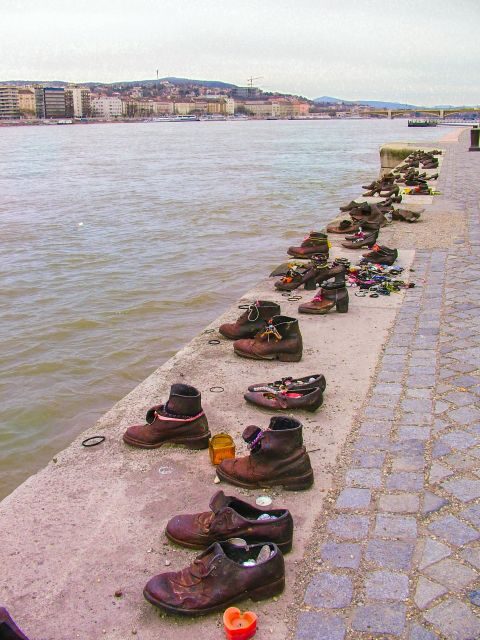
- Shoes on the Danube Bank: a photo stop that changes the temperature
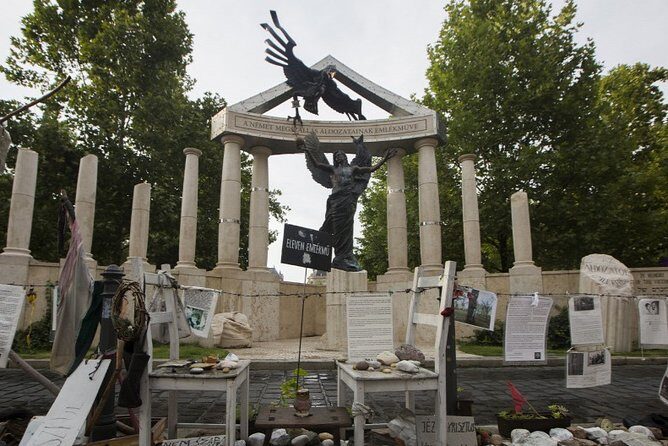
- The German Occupation Memorial: history that connects to today
- Walking the Jewish District: the ghetto border and the UNESCO frame
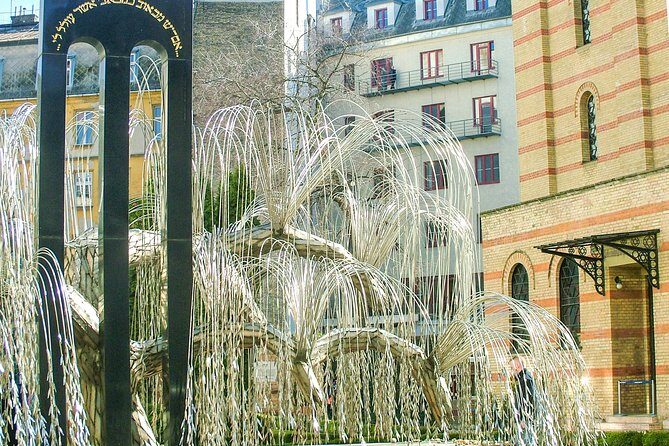
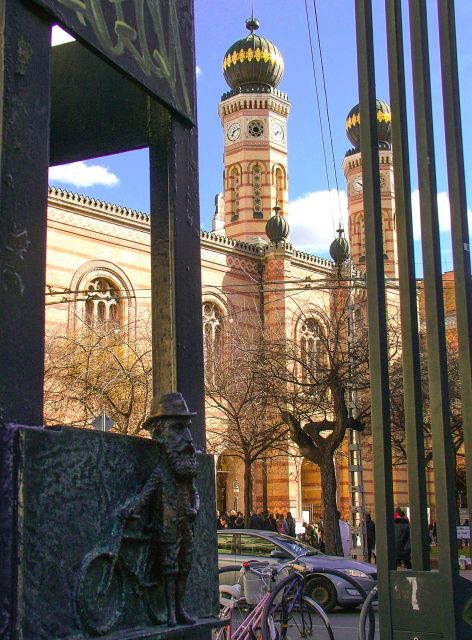
- Dohány Street complex: Tree of Life, Heroes’ Temple, and the Herzl connection
- Inside Dohány Street Synagogue: 90 minutes of guided meaning
- Timing and pace: why the route works well
- Price and value: what $48 buys you in Budapest
- Who this tour suits best (and who should reconsider)
- Quick practical tips for a smooth visit
- Should you book this Jewish Heritage / Full tour?
- FAQ
- How long is the Jewish Heritage full tour?
- Is the tour guided in English?
- Are entrance tickets to the synagogue included?
- How does pickup work?
- Do I need transportation tickets for the tour?
- What’s the cancellation policy?
Key highlights you can actually use
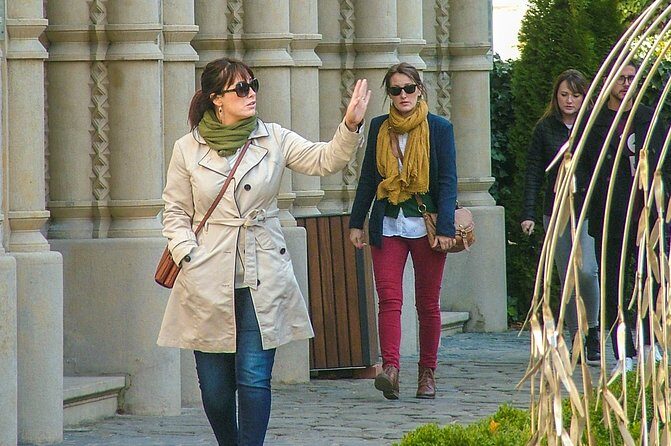
- Edith (licensed, English) keeps the stops grounded in history and present-day context.
- Shoes on the Danube Bank is a short photo stop that still lands with real weight.
- Dohány Street complex includes the Tree of Life, Heroes’ Temple, cemetery grounds, and the Jewish Museum on the Herzl birthplace site.
- UNESCO-listed Jewish District gives you both heritage sites and lively street energy nearby.
- Private group pacing means you’re not rushing through with a crowd behind you.
- Guided synagogue time is 90 minutes, with a visit that goes beyond the exterior.
A 3-hour Jewish Heritage route with clear story flow
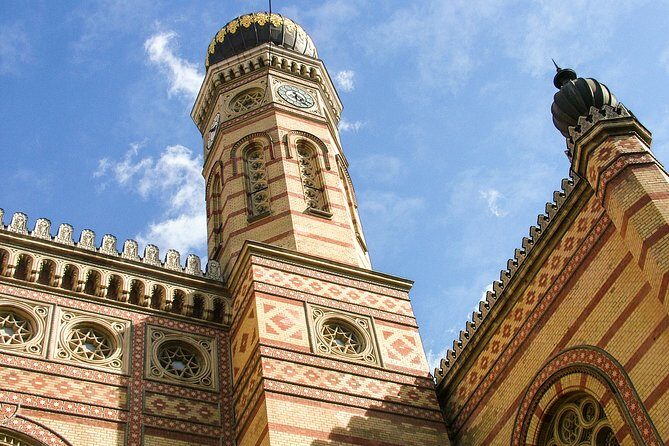
This is a tight, well-planned 3-hour format that focuses on a handful of major stops—so you don’t spend your time hunting around Budapest. You’ll spend most of your visit learning, not guessing. The goal is simple: you walk the borderland story of the Jewish District and then step into the key sacred landmark, with the embankment memorials setting the tone first.
I found the pacing makes sense for first-timers and return visitors. You get a short public-transport connection to cut travel time, then you’re walking where it matters. And because it’s a private group, Edith can adjust the pace to questions and the mood of the moment.
You can also read our reviews of more historical tours in Budapest



Pickup points and the quick ride to the Danube embankment
Your tour begins with pickup at one of two central options: the Lutheran church area, Deák tér, or Kossuth Lajos tér. After that, there’s a short public transport segment of about 10 minutes before the first major stop.
That matters more than it sounds. Budapest can be spread out, and this format keeps you from losing the best part of the day to transit. It also means you arrive at the Danube sites with time to actually look, not just pass through.
If you’re planning your day, keep the rest of your schedule flexible for a serious, reflective stretch—especially if you’re going right after a busy morning.
Shoes on the Danube Bank: a photo stop that changes the temperature
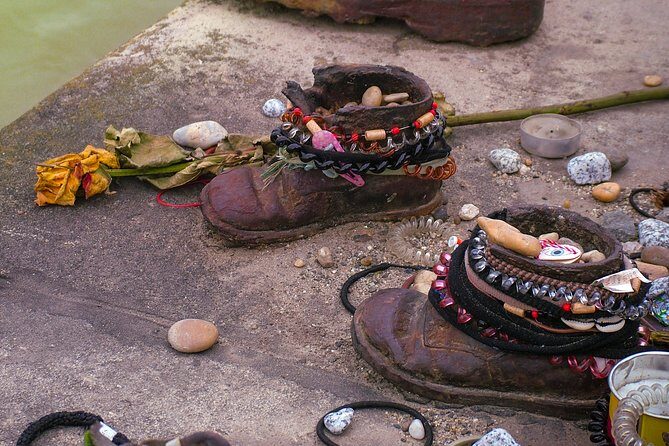
The first big landmark is the Shoes on the Danube Bank. You’ll have a photo stop of around 15 minutes, which is short—but it’s long enough to take in the arrangement and let the meaning register.
This site is set right on the edge of the embankment. That physical closeness to the water is a big part of why it feels so immediate. It’s designed to remind you of the terror of the last years of World War II, and just standing there makes the history feel less abstract.
Practical tip: bring your phone if you want photos, but don’t treat it like a quick checklist. Give yourself a moment to look before you shoot. If you’re sensitive to heavy memorials, this is the stop where you’ll feel it most.
The German Occupation Memorial: history that connects to today
Next comes a short walk and public transport jump, then a photo stop at the Memorial for Victims of the German Occupation. Expect about 15 minutes here.
One detail worth knowing: this memorial is described as controversial, and the tour uses it to give insight into the current situation of the Jewish community. That’s a key difference from many WWII-only stops. You’re not only learning what happened; you’re also learning how the memory and its presentation affect people today.
In a guided setting, this kind of site works better than a solo visit. You’re less likely to misread what you’re seeing or miss why it’s debated. The emotional tone may shift here, but the story keeps moving.
Walking the Jewish District: the ghetto border and the UNESCO frame
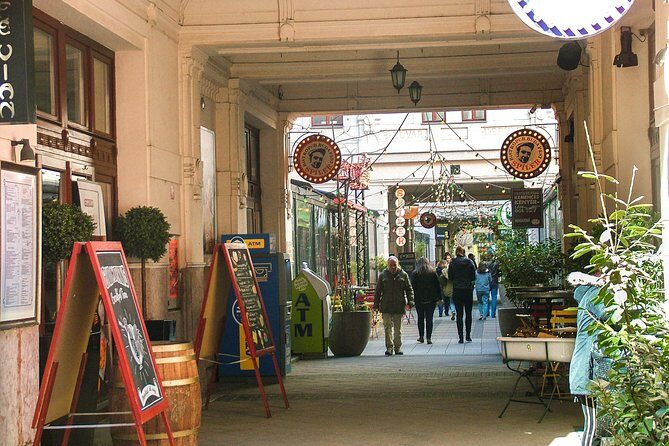
After the embankment memorials, you move into the Jewish District area with about 30 minutes of on-foot time. This section is more than sightseeing. It’s where the tour turns from single monuments into a geographic story you can feel.
The Jewish District is a UNESCO heritage area. That label isn’t just paperwork—it signals that the neighborhood-level history is protected and worth understanding as a whole. At the same time, the district isn’t frozen in the past. You’ll also find street art and night life here, which creates an important contrast: history is present, but life is present too.
This is also where the tour’s key complex comes in: the Dohány Street area sits near the border of the ghetto, and the tour uses that location to explain what “place” meant under pressure—how institutions, memorials, and community spaces survived in a shrinking world.
The on-foot time is short, so you’ll want to listen closely while you’re moving. This part of the tour is where you can best connect the dots between landmarks.






Dohány Street complex: Tree of Life, Heroes’ Temple, and the Herzl connection
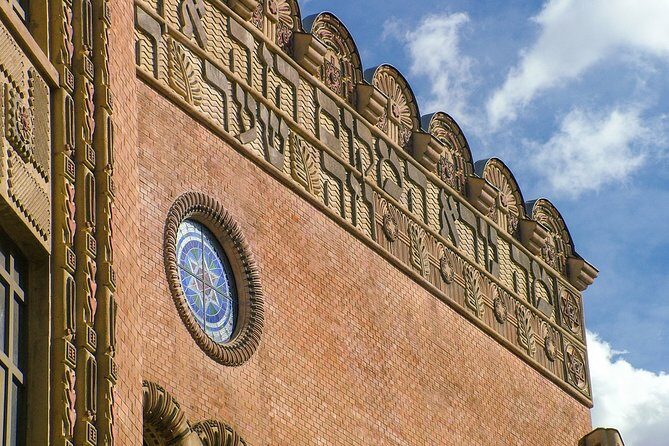
The heart of the visit is the Dohány Street Synagogue complex, where you’ll spend time around the Memorial Garden and the surrounding sites. Even before you enter the synagogue, you’ll be oriented around a few specific elements that make this complex unusually meaningful.
Here’s what the tour focuses on:
- Memorial Garden with the famous Tree of Life
- Heroes’ Temple
- Graveyard grounds
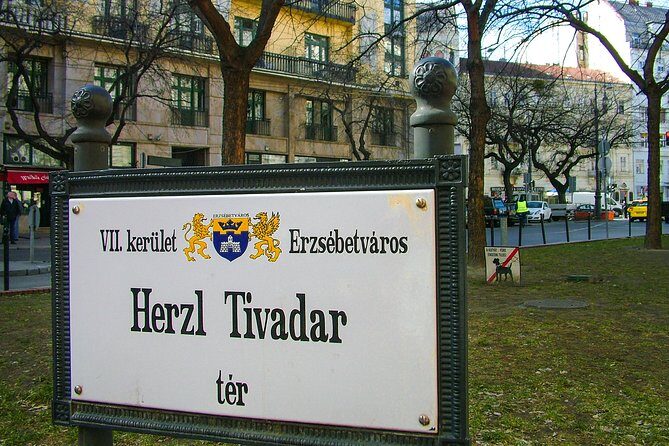
- The Jewish Museum area, built on the site where Theodor Herzl’s house of birth stood
That last point gives you a powerful layer of context. Herzl is tied to Jewish national movement history, but the idea of the museum being placed on the birth site adds weight to the question of memory: what a place carries forward, even as buildings and regimes change.
And because the tour covers the complex in sequence, you’re not left bouncing between unrelated stops. The guide helps you see how memorial spaces, sacred architecture, and cultural memory share the same grounds.
If you like walking through sites in a logical order, this is a great fit. If you prefer totally free time, keep in mind the stops are guided and the time is limited.
Inside Dohány Street Synagogue: 90 minutes of guided meaning
You’ll have about 1.5 hours devoted to the Dohány Street Synagogue, including a guided visit. This is where the tour earns its keep.
The synagogue complex is noted as the second largest synagogue of the world, and the tour gives you context for what that size represents in community terms. But beyond scale, what matters is the story you get while you’re inside. Edith’s focus is on connecting architecture and ritual space with the sweep of history and the shape of current Jewish life.
A quick practical note: the synagogue entrance ticket is not included. The tour is set up so you can skip the ticket line, which helps your timing, but you’ll still need to handle the ticket separately. Plan for that so you’re not scrambling at the moment.
Dress code also matters here. Shorts, short skirts, and sleeveless shirts aren’t allowed. If you’re visiting in warm weather, bring a light layer that covers your shoulders and keeps you compliant.
Timing and pace: why the route works well
The tour runs for 3 hours total. The schedule is built around short, efficient segments: a transit jump, a photo stop, a walk, another photo stop, then more transport to reach the synagogue area.
That format is a win for two reasons. First, you get multiple high-impact sights without feeling trapped on a long day. Second, your attention doesn’t burn out halfway through—because each stop has a job in the story.
It also helps with logistics around Budapest. You’re not relying on memory or transit research while you’re trying to understand difficult historical topics. Your guide handles the flow.
Weather can happen in central Hungary, and the tour is still offered even when conditions are unpleasant. If it’s raining, bring a small umbrella or rain layer so you stay comfortable during the walking portions.
Price and value: what $48 buys you in Budapest
At $48 per person for a 3-hour private experience, you’re paying for guidance, not just access to sights. The value here comes from three things.
First, you get a private tour with a professional licensed guide rather than a group shuffle. That matters when the tour covers sensitive topics like WWII memorials and community life.
Second, you get guided coverage of the complex itself, not just a handoff at the synagogue doors. The guided Dohány Street portion (about 1.5 hours) is where the price starts to make sense, because you’re learning as you go.
Third, you save time with skip-the-ticket-line at the synagogue entrance. That’s small, but in a city where lines and timing vary, it can keep your visit smooth.
What’s not included: the synagogue entrance ticket and transportation tickets. If you’re trying to estimate your total spend, factor those in up front so you don’t get surprised at the last moment.
Who this tour suits best (and who should reconsider)
This tour fits best if you want structured history in a real neighborhood. I’d book it if you like your sightseeing paired with context, and if you’re okay with memorial sites that carry emotional weight.
It’s not suitable for children under 6, and the attire rules mean you’ll want to plan what you wear. If you’re visiting as a family with kids, you’ll need to think about age first, then the dress expectations.
If you’re someone who enjoys street life and modern Budapest energy, you’ll also appreciate the fact that the Jewish District isn’t only monuments. Edith points you to heritage spaces while acknowledging that today’s life is happening around them too.
Quick practical tips for a smooth visit
- Wear something that follows the synagogue dress rules: no shorts, no short skirts, no sleeveless shirts.
- Bring comfortable shoes for the 30-minute walking portion.
- Expect a serious tone at the Shoes on the Danube Bank stop.
- Don’t assume the synagogue ticket is included, even with the line-skip.
- If you want lunch afterward, plan to stay nearby since the area offers options after the tour.
Should you book this Jewish Heritage / Full tour?
Yes, if you want a focused, guided route through Budapest’s key Jewish heritage sites in just 3 hours. The biggest reason to book is Edith: a licensed guide who’s prepared and attentive, and who keeps the tour meaningful even when weather isn’t ideal.
I’d also say yes if you’re the type who likes your history connected to place—embankment memorials, ghetto-border context, and the Dohány Street grounds. The route is efficient, and the guided time inside the synagogue is long enough to make it worthwhile.
If you’re looking for a purely light, casual walk with lots of free time, this may feel intense. And if you don’t want to handle a separate synagogue entrance ticket or you can’t meet the dress requirements, you’ll be fighting the conditions instead of enjoying the tour.
FAQ
How long is the Jewish Heritage full tour?
It lasts about 3 hours.
Is the tour guided in English?
Yes. You’ll have a live English guide (Edith).
Are entrance tickets to the synagogue included?
No. The tour does not include the synagogue entrance ticket, even though it does offer skip-the-ticket-line.
How does pickup work?
Pickup is available at central locations including the Lutheran church area, Deák tér, and Kossuth Lajos tér. Agreement is possible for central hotel pickup as well.
Do I need transportation tickets for the tour?
Yes. Transportation tickets are not included.
What’s the cancellation policy?
Free cancellation is available up to 24 hours in advance for a full refund.