REVIEW · BUDAPEST
Private Jewish Heritage Tour including Hotel Pickup
Book on Viator →Bookable on Viator
Budapest’s Jewish story is built in blocks. This private walking tour links the big names—Dohány Street Synagogue, the Jewish Museum, and memorial parks—into a route you can pace your way. You also get hotel pickup and English-speaking guidance, plus three different lengths to match your time.
I especially like two things: you get inside Dohány Street Synagogue (a huge working synagogue) and you spend real time at the Jewish Museum, including the Holocaust room focused on Hungary. I also like the human touch a private guide adds; many tours mention guides like Benjamin and Petra for keeping the walk lively and question-friendly.
One drawback to consider: this route is focused on the Jewish quarter and key synagogue sites, so if you’re counting on stops like the Shoes on the Danube or a separate Holocaust museum, you may need extra time elsewhere (this plan doesn’t advertise them).
In This Review
- Key things that make this tour worth your time
- Small, Essential, or Grand: picking your Budapest Jewish pace
- Hotel pickup and how the morning stays simple
- Jewish Museum and Dohány Street Synagogue: where the story becomes real
- Martyrs’ Cemetery, Raoul Wallenberg, and the Tree of Life memorials
- Deák Ferenc Square and Madách Square: Pest’s Jewish roots in everyday geography
- Kazinczy Street Synagogue and the Orthodox Jewish Quarter (Grand Tour)
- Guide-powered details: what you’ll remember long after the photos
- Fröhlich kosher cake on the Grand Tour: a sweet break that makes sense
- Price and value: what you’re actually buying at $191.72 per person
- Who should book this tour, and who might want more
- Should you book this Private Jewish Heritage Tour with hotel pickup?
- FAQ
- How long is the tour?
- What’s included in the price?
- Where does pickup happen?
- Is the tour private?
- Which major sites do you visit?
- Is there food included?
- What is the cancellation policy?
Key things that make this tour worth your time
- Hotel pickup + private guide: centrally picked up, then you walk with just your group.
- Three tour lengths: Small (2 hours), Essential (2.5 hours), Grand (4.5 hours).
- Dohány Street Synagogue interior access: included on the Small and Essential routes.
- Major memorials on the walk: Raoul Wallenberg and the Tree of Life memorials are built into the plan.
- Jewish Centre and the Family Research Center: time to visit if you want deeper context.
- Grand Tour includes a cake stop: an invitation for glatt kosher cake at Fröhlich Confectionery.
Small, Essential, or Grand: picking your Budapest Jewish pace
This tour gives you real choice. Same core theme, different time blocks, and a slightly different feel depending on what you want most.
- Small Tour (about 2 hours) is the best “first hit” if you want the essentials without rushing. It starts at the Jewish Museum, then goes on to Dohány Street Synagogue (interior), Martyrs’ Cemetery, and the Raoul Wallenberg Memorial Park plus the Tree of Life Memorial. You also pass key buildings like the Heroes’ Temple outside and get a chance at the Jewish Centre (including the Family Research Center).
- Essential Tour (about 2.5 hours) adds a more guided walk through central Pest—think Deák Ferenc Square, the Gábor Sztehlo Monument, and Madách Square (linked to Pest’s first synagogue and early Jewish community life). After that, you roll into the Small Tour route.
- Grand Tour (about 4.5 hours) is for people who want more neighborhoods and more synagogue time. It follows the Essential Tour first, then adds the Carl Lutz Memorial Park, the Gozsdu Passage, the Orthodox Jewish Quarter, and ends with an interior visit to the Kazinczy Street Synagogue. On this longer option, you also have a planned break for glatt kosher cake at Fröhlich Confectionery.
Practical tip: if it’s your first morning in Budapest, the Small or Essential tour often works best because it helps you get your bearings around the Jewish sites fast. If you’re in no rush and want more context—and you want Kazinczy inside—go Grand.
You can also read our reviews of more private tours in Budapest


Hotel pickup and how the morning stays simple
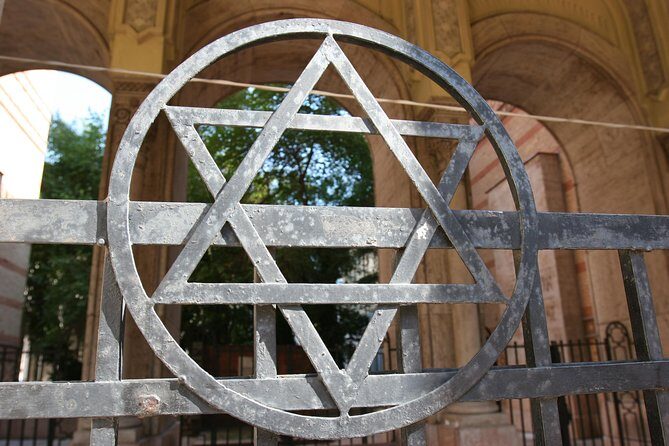
The big convenience here is hotel pickup from centrally located hotels in Budapest. That matters because the Jewish quarter sites can be easiest when you’re not trying to navigate transit while reading history at the same time.
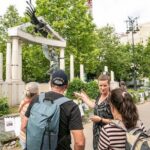
It’s also a private tour, so you’re not stuck matching the group’s pace. In practice, that means you can linger for photos, ask follow-ups, or slow down when you reach the more reflective memorial areas.
The tour is listed as offered in English, and you’ll use a mobile ticket. The plan also supports flexible start times—though the standard start time shown is 10:00 am, so you’ll want to pick the option that fits your day.
Jewish Museum and Dohány Street Synagogue: where the story becomes real
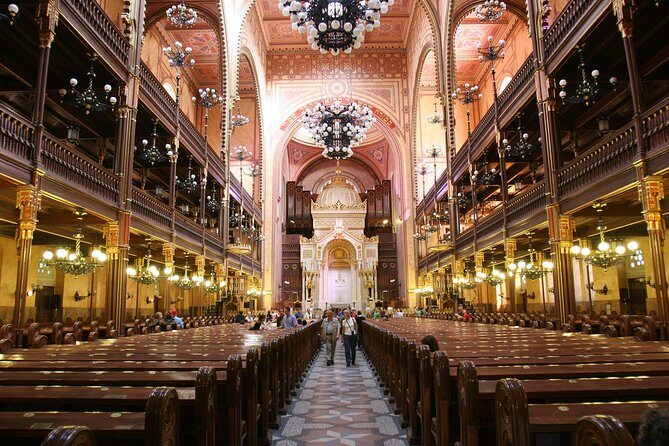
If you choose the Small or Essential route, the morning centers on one main idea: the Jewish community in Budapest wasn’t one single place. It was a city-within-a-city, with art, faith, tragedy, and memory all tied to physical sites.
At the Jewish Museum, you start with the collection focus first, then the tour moves into a separate room commemorating the Holocaust in Hungary. That split is useful. You get to see the culture and material before you hit the heavier subject, which can make the experience easier to process.
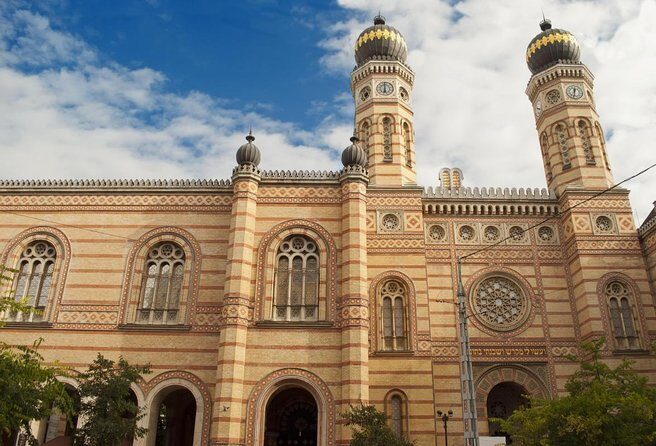
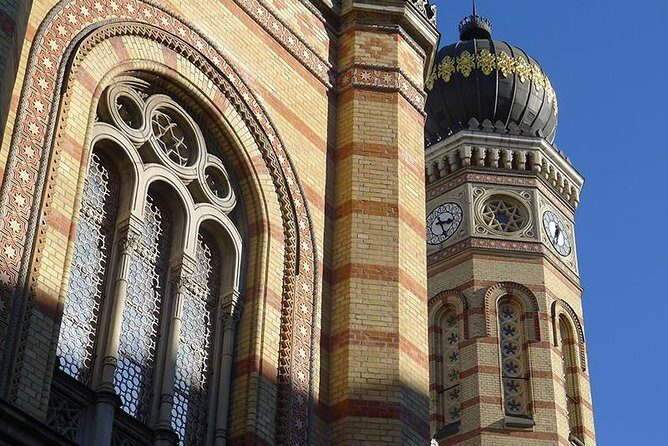
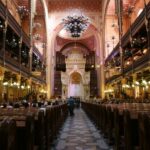
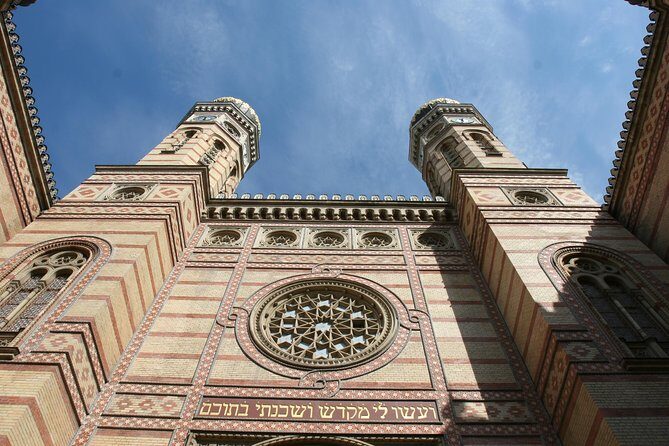
Then you head to Dohány Street Synagogue. This is the one everyone talks about for a reason: it’s described as Europe’s biggest working synagogue and also among the biggest in the world. Since the tour includes an interior visit, you’re not just seeing the building from outside—you get the layout and atmosphere that make the place more than a postcard.
What to watch for: synagogues are still working religious spaces. Even on a tour, you’ll want to keep your voice down, move calmly, and follow your guide’s cues on where to look and how to behave inside.
Martyrs’ Cemetery, Raoul Wallenberg, and the Tree of Life memorials
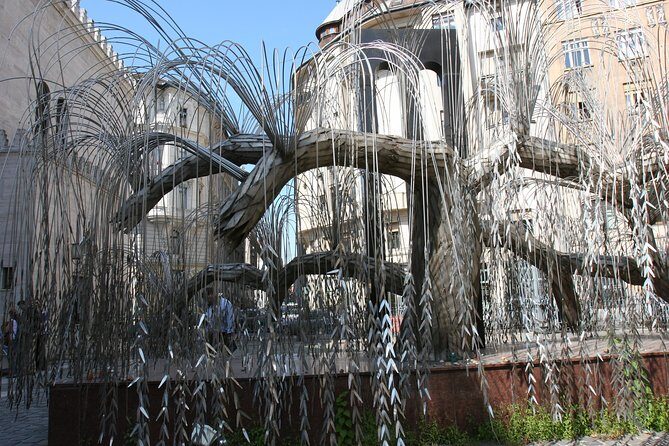
After the synagogue, the route turns toward memory and moral action. This is where the walking tour format shines, because the memorials are close enough to feel connected instead of like separate stops.
You visit the Martyrs’ Cemetery, then continue to the Raoul Wallenberg Memorial Park and the Tree of Life Memorial. These stops aren’t just facts on a screen; they’re places that force you to slow your step. Guides often bring the names to life here, and that human layer matters because you’re standing where stories were meant to be remembered.
You also pass the Heroes’ Temple outside on the Small and Essential routes. Outside stops can feel like a tease, but in this case passing by works as a way to map the neighborhood and notice how many landmark religious sites cluster together.
Deák Ferenc Square and Madách Square: Pest’s Jewish roots in everyday geography
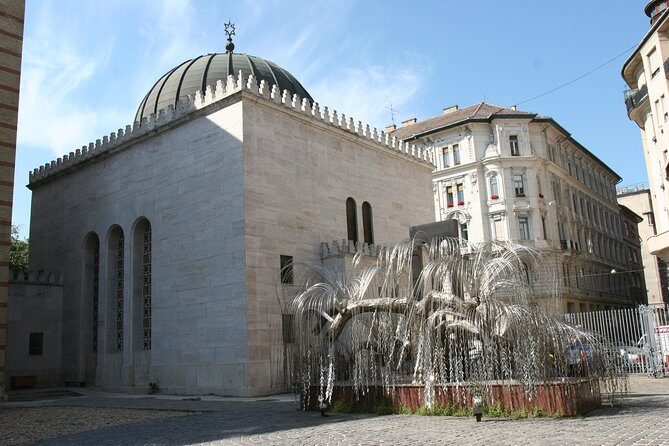
On the Essential route, you get a useful switch from big iconic landmarks to the texture of daily city life—street squares, monuments, and the early Jewish footprint in Pest.
The plan starts at Deák Ferenc Square, with context about historical Pest and the Jewish market. Then you see the Gábor Sztehlo Monument. He’s described as a Lutheran pastor and one of the first Hungarians awarded as a Righteous among the Nations with the Yad Vashem honor.
From there, the route continues to Madách Square, identified with Pest’s first synagogue and linked to the Orczy house, including the area connected to the first Jewish center in Pest. You also pass the Rumbach Street Synagogue outside before moving back into the Small Tour flow.
Why this helps: it prevents the tour from feeling like a checklist of famous buildings. Instead, you learn how these sites fit into the city’s layout—where community life happened and how the Jewish quarter wasn’t isolated from the rest of Budapest.
You can also read our reviews of more historical tours in Budapest




Kazinczy Street Synagogue and the Orthodox Jewish Quarter (Grand Tour)
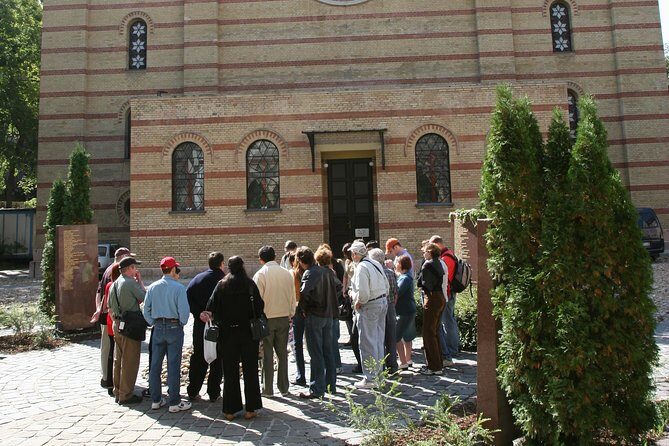
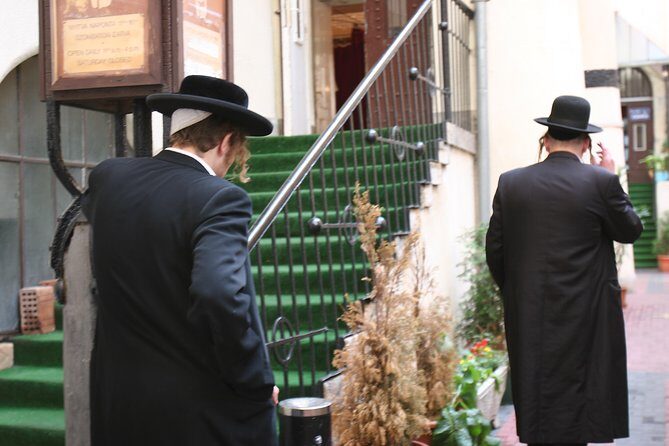
If you want the full sweep, the Grand Tour is built for it. After the Essential route, you go to Carl Lutz Memorial Park—mentioned as honoring the Swiss diplomat often called Hungary’s Schindler. Then you head through Gozsdu Passage and into the Orthodox Jewish Quarter.
The highlight late in the day is the interior visit to the Kazinczy Street Synagogue. Doing that inside matters because Kazinczy is a different kind of architectural and spiritual experience than Dohány. You’re comparing styles, community presence, and how different generations shaped what worship looked like on the street.
One more practical note: the Grand Tour adds more walking time (about 4.5 hours), so it’s a better choice if you’re comfortable with a longer stroll and you’re not trying to squeeze in a heavy schedule right after.
Guide-powered details: what you’ll remember long after the photos
This tour lives or dies by the guide, and the names attached to past tours show a pattern: people come away talking about personality and pacing, not just facts.
Examples you might recognize from the guide roster include Benjamin, Petra, Greta, Dorian, Abel, Fatima, Victoria/Viktoria, Anny Fisher, and Joel. The common thread is how they handle questions and adjust the pace for different needs. One guide approach described is being sensitive to photo stops and giving extra time when people are engaged. Another is tailoring the story to a family’s background so the sites feel less generic and more personal.
This is also where the private format helps. Even if two people are interested in the same synagogue, the best guide will steer the conversation toward what you care about: architecture, community life, wartime choices, or family history.
Fröhlich kosher cake on the Grand Tour: a sweet break that makes sense
Food isn’t included on this tour unless specified. What is specified is a cake stop opportunity on the Grand Tour at Fröhlich Confectionery, described as glatt kosher.
This is one of those additions that doesn’t feel random. It gives you a real break after walking, and it lets you connect the day’s themes to something local and lived-in—food as part of community tradition.
If you’re on the Small or Essential route, don’t assume there’s a cake moment built in. Plan your meals around your tour length instead of around the promise of dessert.
Price and value: what you’re actually buying at $191.72 per person
At $191.72 per person for about 5 hours maximum (depending on tour type), you’re paying for three things that often cost extra when you do them separately:
- Private guidance for your group
- Hotel pickup, so you’re not spending time figuring out access on your own
- Synagogue entry for the tour’s key interiors (entry to Dohány Street Synagogue and Kazinczy Street Synagogue is included, depending on the route)
Admission tickets are part of what you’re getting, not an add-on you discover later. That helps keep the day from turning into a surprise bill-and-line problem.
Also, this is booked fairly far in advance on average, so if your dates are fixed, picking your tour length early can make your schedule smoother.
One more value note: there’s mention of reduced group prices from 5 participants. If you’re traveling with family or friends, this can become a budget-friendly way to keep the tour private without paying solo pricing for everyone.
Who should book this tour, and who might want more
This tour fits best if you want:
- A private walking overview of Jewish Budapest sites
- Interior time at major synagogues (Dohány, and Kazinczy on Grand)
- Memorial stops tied to people like Raoul Wallenberg and Carl Lutz
- A guide who can slow down for questions instead of marching you along
It may not be the best match if your must-see list includes sites outside what’s advertised here—like the Danube memorial sculpture area or a dedicated Holocaust museum visit—because the plan focuses on the synagogue-and-quarter story rather than adding extra standalone attractions.
If you’re the kind of traveler who likes building context first, then seeing the famous places with fewer gaps, this is a strong choice.
Should you book this Private Jewish Heritage Tour with hotel pickup?
If you want a structured, respectful way to see Budapest’s Jewish landmarks without spending your day on logistics, book it—especially if you choose the Essential or Grand option. You’ll get a clear arc: culture and community (Jewish Museum), major worship sites (Dohány and possibly Kazinczy), then memory through the memorial parks.
My advice: pick the shortest tour that still hits what you care about most. If Kazinczy interior and the Orthodox Jewish Quarter are on your list, go Grand. If you want the best “starter map” of Jewish heritage sites, go Small or Essential and build the rest of your day around other Budapest highlights.
FAQ
How long is the tour?
You can choose three private tour lengths: Small (about 2 hours), Essential (about 2.5 hours), or Grand (about 4.5 hours).
What’s included in the price?
The tour includes a professional local guide, hotel pickup, the private tour format, and entry to Dohány Street Synagogue. Entry to Kazinczy Street Synagogue is also included (on the route where it’s visited).
Where does pickup happen?
Pickup is included from centrally located hotels in Budapest.
Is the tour private?
Yes. It’s a private tour, meaning only your group participates.
Which major sites do you visit?
The plan includes stops such as the Jewish Museum (with a Holocaust room), Dohány Street Synagogue, Martyrs’ Cemetery, the Raoul Wallenberg Memorial Park, the Tree of Life Memorial, and the Jewish Centre (including the Family Research Center). The Grand Tour adds the Carl Lutz Memorial Park, Gozsdu Passage, the Orthodox Jewish Quarter, and the Kazinczy Street Synagogue interior.
Is there food included?
Food and drinks are not included unless specified. On the Grand Tour, you can accept an invitation to have cake at the glatt kosher Fröhlich Confectionery.
What is the cancellation policy?
Free cancellation is available. You can cancel up to 24 hours in advance for a full refund.
If you want, tell me your travel dates and which sites matter most (Dohány only vs also Kazinczy, memorials, and museum time). I’ll help you pick Small vs Essential vs Grand.