REVIEW · BUDAPEST
Art Nouveau Tour in Budapest: 3-Hour Private Tour
Book on GetYourGuide →Operated by FUNGARIAN · Bookable on GetYourGuide
Budapest turned architectural rules upside down. This private Art Nouveau tour guides you through the late-1890s to early-1900s heyday of Pest, when the city got obsessed with decorative facades and new ideas. I especially liked how the guide explains the big picture of Budapest’s Art Nouveau story, including why it’s called szecesszió in Hungarian, and how Hungarian folk motifs show up in the designs.
The second thing I really value is the way the guide makes the buildings feel like they have personalities, not just pretty stone. With Miklos leading, you get clear talk about symbolism (like beehives on public buildings), plus the kind of architect stories that help you spot details on your own later. One consideration: the tour is not suitable for people with mobility impairments, so plan on walking on city sidewalks.
In This Review
- Key highlights in 3 hours
- Budapest Art Nouveau in Pest: why the city got so decorative
- Where the tour starts: private pickup and a guide who answers questions
- The key theme: facades, symbolism, and “readable” architecture
- Decorative facades: why they look the way they do
- Hungarian folk motifs: tradition built into the modern style
- Bee hives on public buildings: repeating symbols with meaning
- No skyscrapers? Understanding Budapest’s built-up logic
- Architect stories you can actually use
- Hidden treasures: what “private” adds to Art Nouveau spotting
- How to plan your 3 hours (and keep it enjoyable)
- Included extras that make you think like an architecture fan
- Price and value: is $127 per person worth it?
- Should you book this Art Nouveau tour in Budapest?
- FAQ
- How long is the Art Nouveau tour in Budapest?
- Is the tour private or shared?
- Where does pickup happen?
- What languages are available for the live guide?
- What’s included in the price?
- What isn’t included?
- What should I bring?
- Is the tour refundable if I change my plans?
Key highlights in 3 hours
- Secession (szecesszió) explained: why the name matters and how it connects to Hungarian identity
- Beehive symbolism: what those repeating motifs mean on Budapest public buildings
- Folk motifs in stone: how design pulls from Hungarian tradition and everyday visual language
- Why no skyscrapers in Budapest: the tour tackles the city’s built-up character and limits
- Trams and the Underground, practical: you’ll get orientation tips while you’re out seeing buildings
Budapest Art Nouveau in Pest: why the city got so decorative
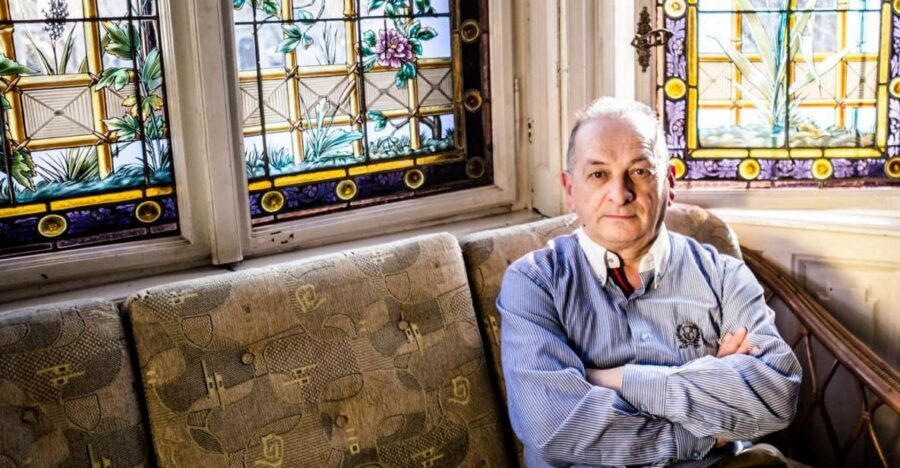
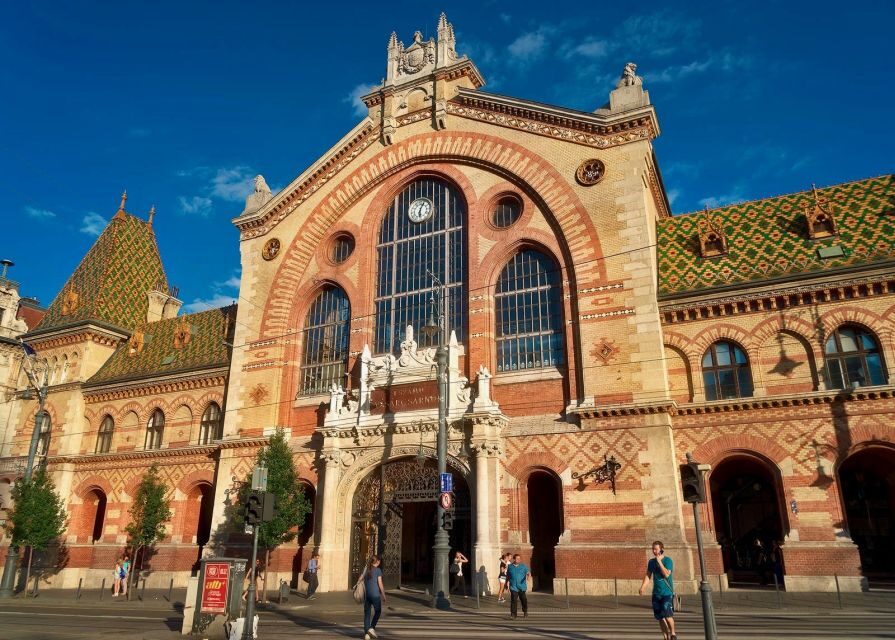
If you’ve ever wondered why so many late-19th-century buildings in Budapest look “busy” in the best way, this tour gives you the why. Budapest’s Art Nouveau period (late 1890s into the early 20th century) wasn’t just a style choice. It was a statement. The city was changing fast, and architects wanted street-level work to feel like culture you could touch.
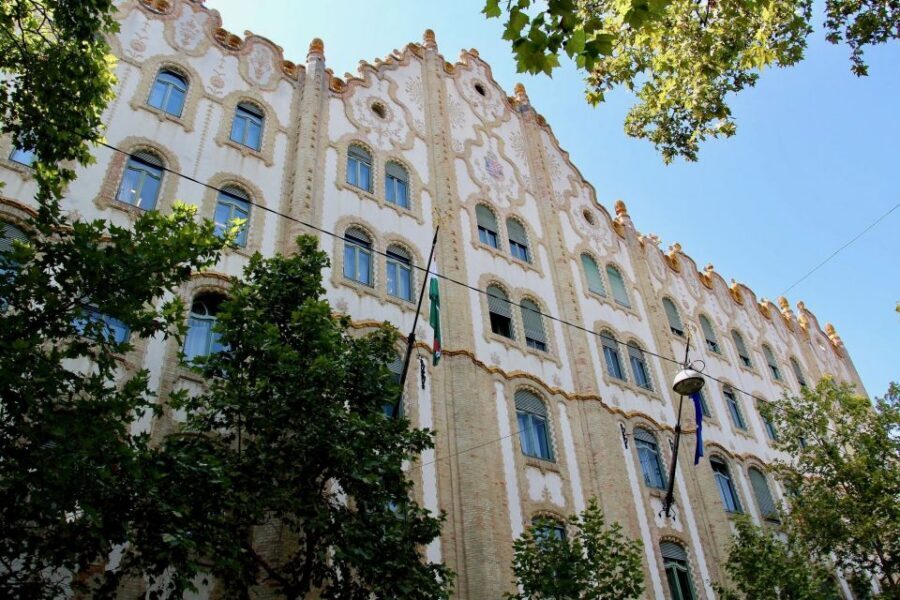
What I like most about this tour’s approach is that it treats Art Nouveau as a language. You learn to read it. You start noticing decorative facades as something more than ornament—details that signal modern thinking, local pride, and a break from older, more rigid design rules.
Art Nouveau is also tied to identity and attitude. You’ll hear why it’s called Seccession/szecesszió in Hungarian, which matters because it frames the movement as a kind of cultural “separating” from the old. Instead of copying the past, designers used symbolism, curves, and natural shapes to push the look of Budapest forward.
And yes, you’ll walk streets in Pest that let you connect the theory to real buildings. That’s the payoff: you don’t just learn terms; you learn how to spot them.
You can also read our reviews of more private tours in Budapest



Where the tour starts: private pickup and a guide who answers questions
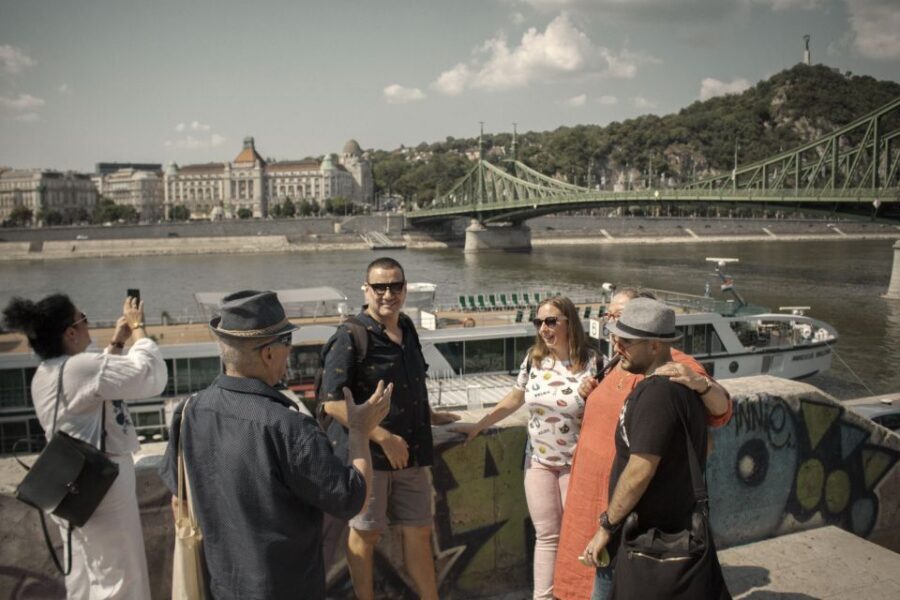
This is a private group tour, and that changes the vibe. In a small setting, you can ask follow-ups without feeling like you’re slowing down a class. I also like that the guide meets you at your accommodation in Budapest. That helps a lot when you’re new to the city and don’t yet know which streets are worth circling back to.
You’ll then head together to the first stop, and the pace is built for learning while walking. The guide is a live instructor in English (and also German or Albanian), so language won’t be a barrier for most people in that range.
One more practical note: your pickup happens at your accommodation, so make sure you’ve shared your preferred pickup location details with the local partner ahead of time. That’s the difference between a smooth start and a frustrating one—especially in a city where addresses and entrances can be tricky.
The key theme: facades, symbolism, and “readable” architecture
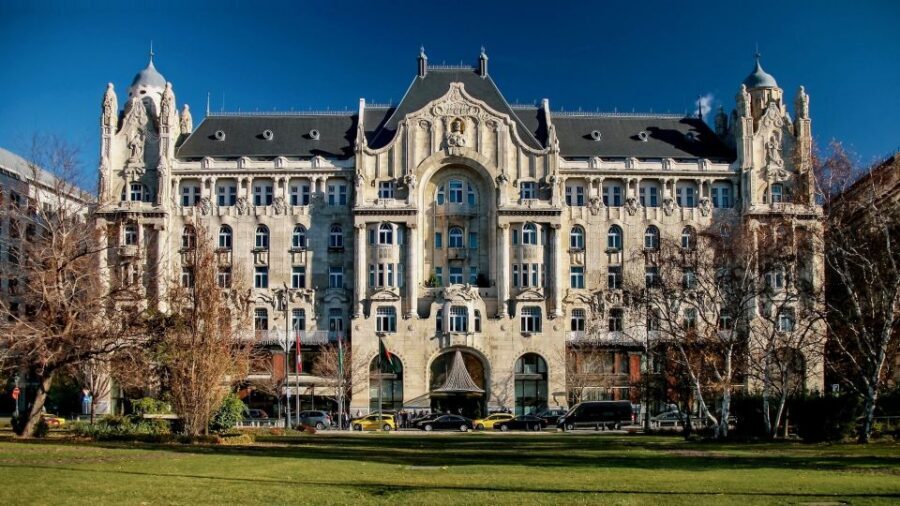
Art Nouveau is often described with words like flowing lines and nature-inspired shapes. That can sound abstract. This tour makes it concrete by focusing on how decoration communicates.
Decorative facades: why they look the way they do
You’ll learn why so many buildings from that late-19th-century stretch carry heavy decoration. The point isn’t just aesthetics. Facades were a public billboard. They announced taste, status, and even modern ideas about beauty.
As you walk, you’ll connect the dots between the external look and the bigger context of a city in transition. When you understand that goal, the ornament stops feeling random. You start seeing a plan.
Hungarian folk motifs: tradition built into the modern style
One of the tour’s most interesting angles is how Hungarian folk motifs were built into Art Nouveau designs. You won’t just hear “influenced by folk art.” You’ll learn how motifs get translated into architecture and why that mix mattered in Budapest at the time.
If you like cultural details, this part is your sweet spot. It turns architecture into a map of identity—showing how designers shaped something modern while still feeling rooted.
You can also read our reviews of more tours and experiences in Budapest





Bee hives on public buildings: repeating symbols with meaning
A standout topic is the beehives you’ll see on Budapest’s public buildings. The tour doesn’t treat these symbols like trivia. It frames them as meaningful design elements that you can recognize and interpret.
Even if you don’t memorize the exact symbolism on the spot, you’ll walk away trained to look for patterns. That means you’ll keep seeing the city’s “hidden language” after the tour ends.
No skyscrapers? Understanding Budapest’s built-up logic
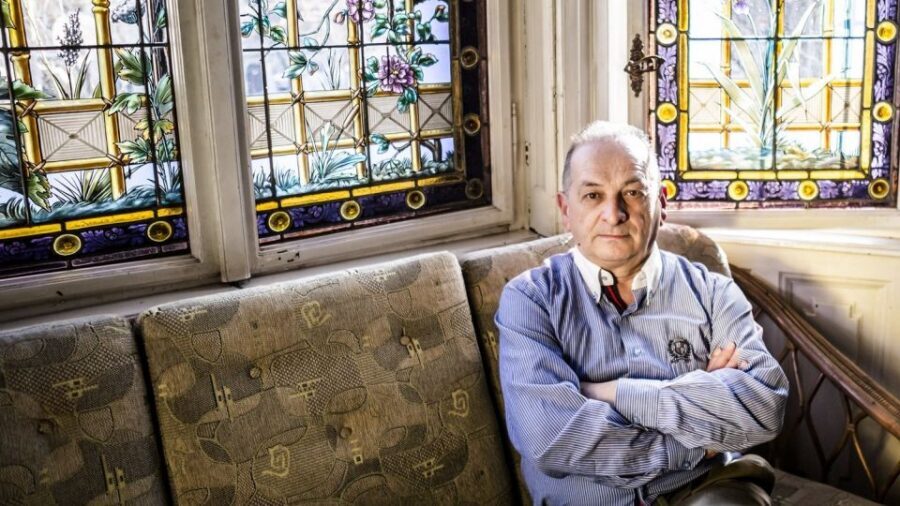
Another lesson I really appreciated is the tour’s explanation of why Budapest doesn’t have skyscrapers in the way some people expect. Even without getting lost in technical planning history, the tour gives you the practical city-shape reasons behind the skyline.
This matters because it changes how you read the streets. If your mental picture is dominated by towers, it’s easy to miss how a city like Budapest builds character through mid-rise density, ornate facades, and street-level detail.
So when the tour talks about Budapest’s limits and design choices, it’s also teaching you how to look. You start noticing vertical rhythm on older buildings and how the city’s scale affects the feel of neighborhoods in Pest.
Architect stories you can actually use
Architecture tours can sometimes sound like a textbook. This one stays readable because it connects design choices to the people behind them.
You’ll hear fascinating tales about the architects behind the buildings. The aim isn’t just name-dropping. It’s to help you understand why certain choices repeat—why some facades lean into decorative intensity, and why certain symbolic motifs appear.
This helps you during the walk, because once you have the human context, the buildings stop feeling like an open-ended maze. Instead, they feel organized. Like a conversation between designers and the city.
And if you’re the kind of person who likes to ask questions, the tour supports that. Miklos in particular is described as both friendly and very good at answering individual questions, including broader ones about Hungary and the people. That kind of flexibility makes the 3 hours feel faster and more personal.
Hidden treasures: what “private” adds to Art Nouveau spotting
You might think you’d spot the big Art Nouveau buildings without help. The truth is, the best details are often the ones you miss at first glance—specific motifs, facade rhythm, and symbolic repeats that only jump out after someone points them out.
That’s where the hidden-treasure feeling comes from. The guide helps you locate patterns you’d likely walk past on your own. You’re still seeing real Budapest architecture, but you’re doing it with a translator for the style.
Also, because it’s private, you can steer attention a bit. If you’re more into symbolism, you can focus there. If your priority is learning how to identify the Secession look, you can ask for those “spotting tips” and build a mental checklist for later.
How to plan your 3 hours (and keep it enjoyable)
This tour runs about 3 hours, which is a sweet spot. Long enough to learn the story and see multiple buildings, but not so long that everyone starts rushing.
That said, you’ll be on your feet. Wear comfortable shoes and clothes, and dress for the weather. One day in Budapest can shift temperature quickly, so layer up if there’s any chance you’ll be cold. The good news is the tour is structured to keep moving and talking rather than stopping for long stretches.
Also plan for no food and no drink being included. It’s not a meal tour. If you care about staying comfortable, consider eating before you go or budgeting time after.
Included extras that make you think like an architecture fan
Small things help you get more out of the walk. You’ll receive notebooks, pens, and printed material. For me, that’s not fluff. It’s what turns a guided stroll into something you can review later.
If you like to remember details visually, the notebook and pen combo is perfect for jotting down:
- motifs you want to look for again
- terms you learned (like szecesszió)
- questions you might want to research once you’re back in your accommodation
Price and value: is $127 per person worth it?
At $127 per person for a 3-hour private tour, you’re paying for three main things: time with a guide, private attention, and targeted focus on one of Budapest’s most distinctive style periods.
Here’s the value breakdown I’d use when deciding:
- Private format: you can ask questions and steer the walk toward what you care about. That’s hard to replicate on group tours.
- Specific subject matter: Art Nouveau in Budapest has enough detail to make generic explanations feel thin. This tour’s themes are concrete—Secession naming, folk motifs, beehives, and even the city-skyline angle.
- Orientation benefits: you’ll also get practical info about getting around, including the Underground and tram system, which can improve the rest of your trip.
If you’re the type who likes architecture and wants more than a photo-op, the price starts to feel reasonable. If you only want a quick look at pretty buildings and don’t care about symbolism or context, you may prefer a shorter, self-guided plan.
Should you book this Art Nouveau tour in Budapest?
I’d book it if you want Budapest with context—where you can learn the why behind the decoration and leave with a sharper eye for Secession details. The private format is a big plus, especially if you like asking questions, and Miklos-style guiding makes the 3 hours feel like a conversation, not a lecture.
Skip it if mobility is a concern, because the tour isn’t suitable for people with mobility impairments. Also, if you’re only looking for a laid-back scenic walk and don’t want architecture storytelling, you might find it more structured than you expect.
If you do go, come prepared to walk, look closely, and take a few notes. That’s when the tour really pays off.
FAQ
How long is the Art Nouveau tour in Budapest?
It lasts 3 hours.
Is the tour private or shared?
It’s a private group tour.
Where does pickup happen?
Your guide meets you at your accommodation in Budapest, then you travel together to the first stop. You should inform the local partner where you want to be picked up.
What languages are available for the live guide?
The guide is available in English, German, and Albanian.
What’s included in the price?
Notebooks, pens, and printed material are included.
What isn’t included?
Food and drink, plus transportation, aren’t included.
What should I bring?
Wear comfortable shoes and comfortable clothes.
Is the tour refundable if I change my plans?
Yes, you can cancel up to 24 hours in advance for a full refund.