Budapest in one day can feel like speed-dating history. This private car tour is built for maximum landmarks with less wasted transit time, plus an included traditional Hungarian lunch. You’re dropped at major sights across both Buda and Pest, with a route that can be customized to your interests.
I really like the private setup. Your group stays together, your stops are timed, and you’re not hunting buses across scattered neighborhoods. I also like the smart mix of icons and views, from Heroes’ Square to Fisherman’s Bastion, with quick orientation stops that help you connect the dots fast.
One consideration: it’s a 7-hour highlight sprint, and some stops are short (often 10–20 minutes). If you want slow museum time or long bathroom-and-coffee breaks, you may need to plan extra time on your own.
In This Review
- Key things you’ll get out of this private Budapest highlights day
- Why a private car day matters in Budapest
- Heroes’ Square, Széchenyi parkland, and Vajdahunyad Castle: starting with big symbols
- Andrássy Avenue to the State Opera and St. Stephen’s Basilica: the “walkable elegance” zone
- Liberty Square, the Hungarian Parliament, and the Chain Bridge: power and perspective across the Danube
- Great Synagogue, Citadella, and the Freedom Statue: history with a view from Gellért Hill
- Matthias Church and Buda Castle District: the classic Buda panorama stretch
- Central Market Hall at the end: a practical food and souvenir stop
- The included Hungarian lunch: how to use it well
- Price and value: is $280.59 per person fair for a private day?
- Comfort, pacing, and what short stops feel like in real life
- Should you book this Budapest greatest-hits private day?
- FAQ
- How long is the Budapest Greatest Hits private tour?
- Is pickup available?
- Is lunch included?
- Do I need to pay for entry to the attractions?
- Is this tour private?
- What is the cancellation policy?
Key things you’ll get out of this private Budapest highlights day
- Car-to-car efficiency: get between far-flung sights without waiting around for public transport
- Classic Budapest “greatest hits” loop: both Pest power landmarks and Buda Castle District views
- Thermal-bath reality check: Széchenyi Bath time is part of the day, but entry isn’t included
- Neighborhood variety in one ride: Andrássy Avenue, Liberty Square, Gellért Hill, and Central Market Hall
- A guide who explains the city, not just the buildings: Emise is specifically noted for friendly, clear cultural context
- Tuned timing: many “photo stops” are brief, so you’ll likely want comfortable shoes and a flexible mindset
Why a private car day matters in Budapest
Budapest’s landmarks don’t sit neatly in one grid. They’re spread across districts and split by the Danube, so public transport can mean lots of waiting, walking, and last-minute scrambling when weather hits. A private tour by car solves the biggest pain point: you’re not spending your day commuting.
This tour is designed around movement with purpose. You still get time to look, take photos, and step into key areas. But the car does the heavy lifting—especially helpful if you’re trying to cover both sides of the river in one shot.
Also, it’s private, so the day can feel calmer. You’re not trying to keep pace with other groups. If your group has different interests, the route can be customized, which is a big deal in a city where the “best” itinerary depends on what you care about most.
You can also read our reviews of more private tours in Budapest



Heroes’ Square, Széchenyi parkland, and Vajdahunyad Castle: starting with big symbols
The day often begins at Heroes’ Square (Hősök tere), one of the city’s major set pieces. The statue complex centers on the Seven chieftains of the Magyars and other important national leaders. Nearby, there’s also the Memorial Stone of Heroes—which people sometimes confuse with the Tomb of the Unknown Soldier. That’s exactly the kind of detail that makes a first stop more than just a photo.
From there, the itinerary can include Széchenyi Baths and pool time. Széchenyi is the largest medicinal bath in Europe, fed by two thermal springs with water around 74–77 °C (165–171 °F). That range sounds minor, but in practice it affects how your skin feels once you’re in. It’s warm enough for comfortable soaking, and the whole place is built for the full “bathhouse experience,” not a quick splash.
A useful expectation: the stop listed is brief, and admission isn’t included for the bath. If you want more than a look-and-soak, you’ll need extra time beyond this tour. But even a short visit can help you understand why people love Széchenyi as a Budapest signature.
Next you might head to Vajdahunyad Castle in City Park. It was built in 1896 for the Millennial Exhibition marking 1,000 years of Hungary. Even when it’s not open like a full museum experience, the setting and look are worth it—because it visually ties together how Budapest stages its national identity through architecture.
Andrássy Avenue to the State Opera and St. Stephen’s Basilica: the “walkable elegance” zone
One highlight stretch is Andrássy Avenue (Andrássy út), dating back to 1872 and recognized as a World Heritage Site in 2002. It links Erzsébet Square with Városliget, and the boulevard is famous for its Neo-Renaissance mansions and townhouses—so you get that classic “how the city grew” feeling without needing to pick a single museum.
From the avenue, the route may include a stop at the Hungarian State Opera House. This neo-Renaissance building is on Andrássy út and was designed by Miklós Ybl, a key 19th-century Hungarian architect. Even if you don’t go inside, the façade communicates status. If you do want to enter, note that admission isn’t included for the opera on this tour listing.
Then you’re set up for St. Stephen’s Basilica (Szent István-bazilika). It’s named for Stephen, the first king of Hungary, and his right hand is housed in a reliquary. The basilica is one of those places where just standing near it makes you realize why it’s such a centerpiece in Budapest’s religious and cultural identity. Admission isn’t included here either, so you’re using this stop for exterior orientation and deciding whether to pay extra on the spot.
Timing note: these stops tend to be around 10–15 minutes each. That’s enough for a focused look and photos, but not for a deep interior visit at every stop.
Liberty Square, the Hungarian Parliament, and the Chain Bridge: power and perspective across the Danube
Next comes a very photogenic set of stops around Liberty Square (Szabadság tér). The square mixes business and residential areas. You’ll also see the United States Embassy building and the Hungarian National Bank headquarters on the west side—so it’s not just monuments; it’s how Budapest functions day-to-day.
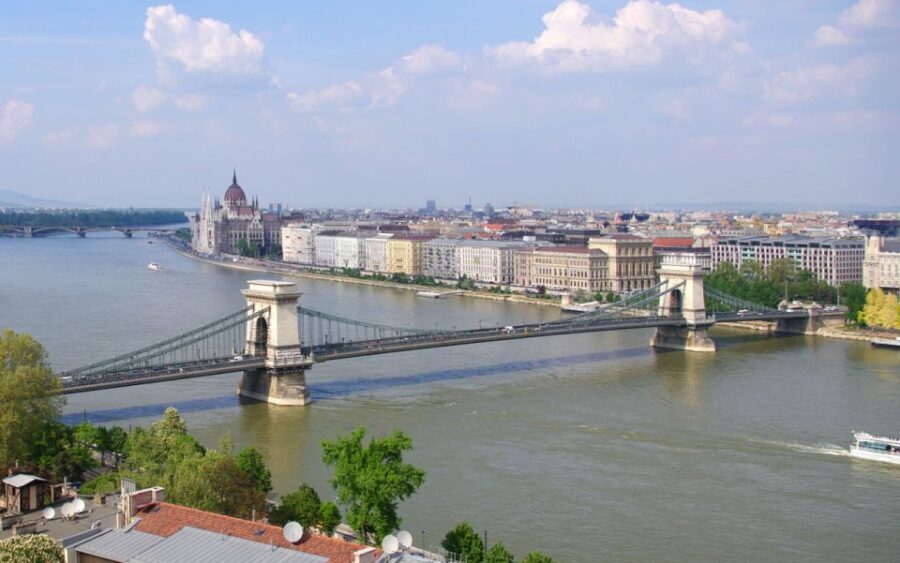
From there, the tour often includes the Hungarian Parliament Building (Országház). It’s the seat of Hungary’s National Assembly and a huge landmark. If you’ve seen it in photos, this is where your brain finally matches the “postcard” image to the scale of the building and the way it sits in its urban context. The listing notes admission isn’t included, so treat it as an orientation stop unless you decide otherwise during your visit.
Then you’ll cross or stop at the Széchenyi Chain Bridge (Széchenyi lánchíd). This chain bridge spans the Danube between Buda and Pest, and the view from either approach is one of the reasons Budapest is so famous. It also acts like a visual reset: after Parliament and Liberty Square, you get a clear line-of-sight over the river, which helps you understand the city’s “two halves” layout.
For many people, this is the emotional midpoint of the day—where Budapest stops feeling like a list of landmarks and starts feeling like a city.
Great Synagogue, Citadella, and the Freedom Statue: history with a view from Gellért Hill
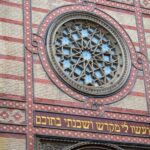
Your itinerary may continue to the Great / Central Synagogue (Nagy Zsinagoga / Dohány utcai zsinagóga) in Erzsébetváros. It’s a major historical landmark, and even if you’re not going inside, the location and scale are hard to miss. Admission isn’t included on this tour listing, so again: it’s a look-now-or-pay-later moment.
Then the route climbs toward Citadella on Gellért Hill. Citadella is a fortress-like fortification with strategic importance in Budapest’s military past. The listing marks admission as free for this stop, which is a nice break from the usual paid attractions. Even if you don’t go far, this area is one of the most effective ways to understand Budapest’s geography—hill height gives you context that flat streets can’t.
Right by this zone is the Liberty Statue (Freedom Statue), also on Gellért Hill. It commemorates those who sacrificed their lives for independence, freedom, and prosperity of Hungary. This is one of those stops where it helps to slow down for a minute, even if the itinerary timing is tight—because the point isn’t only the monument. It’s what it’s saying about the country’s identity, shown from one of the city’s strategic vantage points.
You can also read our reviews of more tours and experiences in Budapest



Matthias Church and Buda Castle District: the classic Buda panorama stretch
After Gellért Hill, the tour moves into the Castle District orbit, where views become the main attraction. The stops here work well because they’re close enough that you can keep momentum without feeling like you’re constantly re-routing.
First up is often Matthias Church (Mátyás-templom) in Holy Trinity Square, near the Fisherman’s Bastion area. The church is formally the Church of the Assumption of the Buda Castle, and it’s known as Matthias Church, sometimes called the Coronation Church of Buda. The listing notes admission isn’t included, so you’re typically using this brief window for orientation and exterior detail.
Then you may move to Buda Castle (Budavári Palota). The site has roots going back to 1265, but the current massive Baroque palace was built between 1749 and 1769. That timeline matters because you can literally see centuries stacked in one complex. Admission isn’t included on this tour listing, so this is usually a “walk the edges, take in the structure, feel the scale” stop rather than a full palace tour.
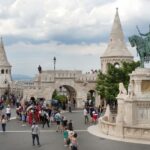
Next is Fisherman’s Bastion (Halászbástya). This is one of Budapest’s most recognized viewpoints, with the Neo-Romanesque lookout terraces and one of the best panoramas over the Danube and Pest skyline. The listing marks it as free admission, which is a practical gift in a day that includes some paid entries elsewhere. Even with limited time, the view is the payoff.
Central Market Hall at the end: a practical food and souvenir stop
A smart addition to any Budapest highlights plan is the Central Market Hall (Nagyvásárcsarnok). It’s the largest and oldest indoor market in Budapest. The origin story is part of what makes it interesting: the idea grew out of Károly Kamermayer, the first mayor of Budapest. He retired in 1896 and participated in the opening ceremony on February 15, 1897.
This stop gives you a chance to reset after formal monuments. You’re in a market environment—good for snacks, small purchases, and watching everyday rhythms. Since it’s listed as free admission, you can step inside without worrying about entry fees for the market itself.
If you’re planning to bring edible souvenirs home, this is where you can do it more realistically. You’ll see what’s actually being sold and price-check on the spot rather than trying to rely on memory later.
The included Hungarian lunch: how to use it well
This tour includes a traditional Hungarian lunch along the way. On a day full of landmarks, food is more than fuel—it’s also a pacing tool. You’ll likely feel better during the afternoon viewpoints if you take a real break instead of grabbing something on the run.
Since the exact restaurant or menu details aren’t specified here, I recommend you treat lunch as a dependable anchor in the schedule. If you have dietary restrictions, you’ll want to mention them when booking so the meal actually fits your needs.
In general, plan your day so you don’t need to choose between lunch and a paid attraction later. This tour already covers a lot, so the more you protect your energy, the better the views will land.
Price and value: is $280.59 per person fair for a private day?
At $280.59 per person for a private full-day car tour, the question isn’t just cost—it’s what you’re buying: time, convenience, and a route that hits both banks of the river without transit drag.
Here’s how I’d think about value:
- You’re paying to reduce friction. Budapest can eat time with transfers and waiting. The car keeps the day moving between dispersed sights.
- You’re also buying planning. The day is structured around “high impact” stops: Heroes’ Square, thermal baths, Parliament, Chain Bridge, Gellért Hill viewpoints, and Castle District panoramas.
- Included lunch adds real value. A traditional lunch isn’t a small add-on when you’re touring all day.
The potential tradeoff is that it’s still a highlight tour with short stop durations at many places. If you’re the type who wants long stays in a single museum, you might feel rushed. If your goal is “see the big stuff and understand the city quickly,” the price becomes easier to justify.
Also, the tour offers group discounts, which can make it significantly more affordable if you’re traveling with friends or family.
Comfort, pacing, and what short stops feel like in real life
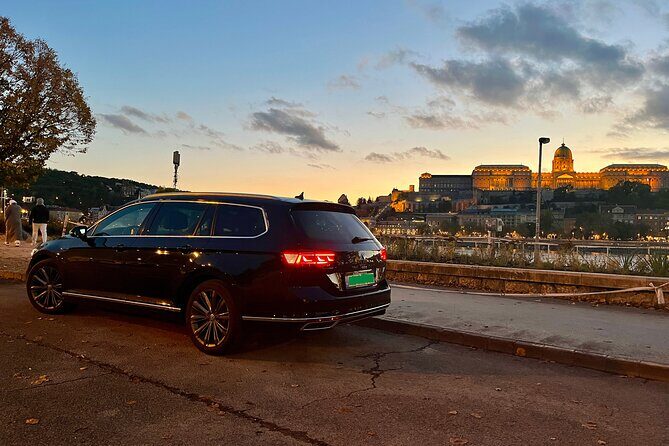
The tour runs about 7 hours and uses an air-conditioned car, with pickup offered. Pickup helps a lot because the first thing you lose in Budapest is time: the morning walk to transit stops adds up fast. You also get a mobile ticket, which is convenient on a day that includes multiple stops.
Most stops are short—often 10–20 minutes, with one longer pause around Citadella territory. That means you should come with realistic expectations:
- Bring comfortable shoes because even “brief” stops can mean standing, walking a bit, and climbing to viewpoints.
- Charge your phone early. You’ll want photos in multiple spots, and you’ll likely be on the move between them.
- Treat interiors (opera, basilica, synagogue, baths) as optional add-ons rather than guaranteed deep visits, since some admissions aren’t included.
If you’re trying to cover Budapest highlights in one day, the short-stop style is usually the right tool. It’s not meant to replace a second day—it’s meant to give you a strong foundation.
Should you book this Budapest greatest-hits private day?
Book it if:
- You want the major Budapest landmarks across Pest and Buda in one day.
- You prefer a private route and hate the “bus-and-bicycle time sink.”
- You like a guided explanation that helps you understand what you’re seeing, not just where to stand.
Skip or consider something else if:
- You plan to spend lots of time inside paid attractions at multiple stops. This day is built around quick stops and orientation, not full museum marathons.
- You’re hoping for a long, slow thermal-bath session at Széchenyi. The bath stop is short, and entry isn’t included.
If you want a smart, efficient “greatest hits” day with lunch and car comfort, this is a strong fit for first-timers or anyone short on time.
FAQ
How long is the Budapest Greatest Hits private tour?
The tour lasts about 7 hours.
Is pickup available?
Yes, pickup is offered.
Is lunch included?
Yes, the tour includes a traditional Hungarian lunch along the way.
Do I need to pay for entry to the attractions?
Entry is not included for several stops, including Széchenyi Baths, the Hungarian State Opera House, St. Stephen’s Basilica, and others listed as admission ticket not included. Some stops are listed as admission ticket free.
Is this tour private?
Yes. It’s a private tour/activity with only your group participating.
What is the cancellation policy?
You can cancel for a full refund up to 24 hours in advance of the experience’s start time. After that point, refunds aren’t listed as available.