REVIEW · BUDAPEST
Born Under The Red Star – The History of Communism in Hungary – Private Tour
Book on Viator →Operated by Budapest Urban Walks · Bookable on Viator
Red stars still shape Budapest. This private tour ties Hungary’s communist past to the city’s most loaded monuments, so you see how power leaves fingerprints on everyday streets. In a few hours, you move from Soviet WWII commemoration to the memory of Soviet liberation, then straight to the 1956 uprising.
What I love most is the real places angle. You’re not stuck with dates and names; you’re looking at the white obelisk, the House of Terror site, Liberty Square, and the Parliament area, while your guide puts it into context. I also like the private format with hotel or apartment pickup and English-speaking guidance, which makes it easier to ask specific questions as you go.
One consideration: the ticket expectations are worth a quick check. Some stops are listed as free (like the House of Terror), while others are not included (like St. Stephen’s Basilica and the Parliament Building), and the exact access can vary by what part you want to see.
In This Review
- Key highlights that make this tour worth your time
- A reality check on Hungary’s communist past, in walking distance
- How the private format keeps the history from feeling like a lecture
- Stop 1: The Soviet Heroic Memorial and the politics of WWII memory
- Stop 2: Inside the House of Terror Museum at Andrássy út 60
- Stop 3: St. Stephen’s Basilica and the clash of state and church power
- Stop 4: Szabadság tér and Liberty Square’s competing memorials
- Stop 5: The 1956 Hungarian Revolution memorial as the turning point
- Stop 6: Hungarian Parliament Building and what a regime can’t hide forever
- The Communist-themed bar stop: practical value, not just a gimmick
- Price and ticket reality: what you’re paying for
- Who should book this private communist history tour
- Should you book Born Under The Red Star in Budapest?
- FAQ
- How long is the Born Under The Red Star private tour?
- Is pickup included?
- Is the tour private?
- What language is the tour offered in?
- Which stops require tickets or extra admission?
- Are any admissions included for free?
- What refreshments are included?
- Is cancellation free if I change my plans?
- Is this tour okay for children and service animals?
Key highlights that make this tour worth your time
- A tight 3-hour private route focused on communism and the era’s opposing memories
- House of Terror stop at Andrássy út 60, including exhibits tied to fascist and communist regimes and victims
- Liberty Square (Szabadság tér) where you can stand between Holocaust memorials and Soviet WWII memory
- A 1956 Revolution memorial stop that reframes the communist story as resistance, not just rule
- A retro soda in a Communist-themed bar plus coffee or tea and maps for after your tour
- Hotel/apartment pickup so you lose less time figuring out meeting points
A reality check on Hungary’s communist past, in walking distance

This is the kind of tour that makes you look up from your phone and actually study the city. Budapest doesn’t just host history; it displays arguments about history—who gets honored, who gets blamed, and what gets remembered.
What makes the experience interesting is the way the stops connect themes. You start with Soviet WWII commemoration, then shift into the House of Terror, and later you move to places where competing narratives share the same square or the same skyline. It’s a fast but pointed way to understand how communist rule (and anti-communist resistance) left physical traces.
It’s also honest about the subject matter. The House of Terror is presented as a memorial to victims of fascist and communist regimes—people detained, interrogated, tortured, or killed in the building. So yes, this is history, but it’s not light.
You can also read our reviews of more private tours in Budapest



How the private format keeps the history from feeling like a lecture
You get a private tour, meaning only your group participates. That matters because communist-era topics can get personal fast—people naturally ask questions about details, names, and what life was like. A private pace also helps if you want to spend extra minutes at one stop instead of rushing through all of them on a timer.
Pickup is part of the deal too. Your guide meets you at your requested address, which is a big practical win in Budapest. And because the tour is in English and uses a mobile ticket, you’re set up for a smoother day without last-minute logistics stress.
The group discount feature is there as well, which could help if you’re traveling with more than one person. The tour itself is short—about 3 hours—so you’ll want your questions ready, not scattered across the day.
Stop 1: The Soviet Heroic Memorial and the politics of WWII memory
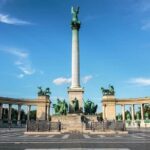
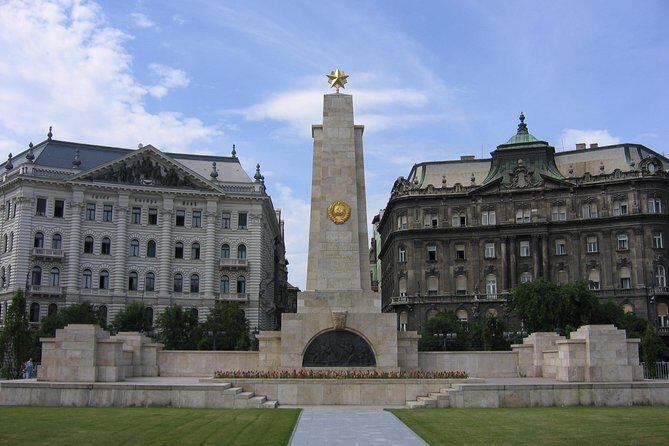
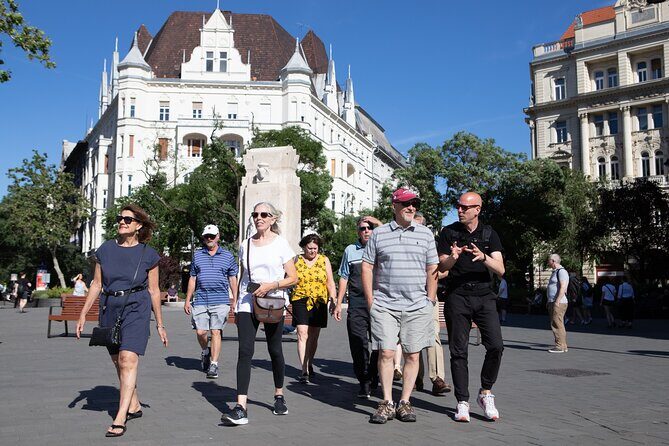
The first stop is a Soviet Heroic Memorial: a white obelisk in a landscaped park that commemorates Russian military who served in WWII. Even if you’re not a monument person, obelisks like this do two things. They honor someone, and they teach you what the state wants you to think about that honor.
This is a smart opener because it sets the “before communism” context in a way that’s visible. You’re not starting with classroom theory; you’re starting with symbols already placed in the landscape.
Time here is brief—about 15 minutes—and that’s normal for a tour like this. If you want more photo time or a slower look around the area, it helps to mention that early to your guide so they can manage the rest of the schedule.
Stop 2: Inside the House of Terror Museum at Andrássy út 60
House of Terror is the emotional center of the route. It’s located at Andrássy út 60 and includes exhibits related to fascist and communist regimes in 20th-century Hungary. It also functions as a memorial to victims detained, interrogated, tortured, or killed in the building.
This stop is listed with admission free, and that makes it one of the best value pieces of the day. But more importantly, it reframes the whole communist story from ideology into lived experience. Even in short time, you’ll be able to see how a regime builds power through fear, control, and coercion.
One practical note: because this topic is heavy, wear comfortable shoes and mentally prepare for a more serious mood than a typical sightseeing walk. If you’re hoping for a strictly upbeat city tour, this part will not match that vibe.
Stop 3: St. Stephen’s Basilica and the clash of state and church power
After the museum, you shift to St. Stephen’s Basilica (Szent István Bazilika). It’s named for Stephen, the first King of Hungary, and the basilica is described as housing his right hand in a reliquary. The tour also notes it was the sixth largest church building in Hungary before 1920.
Admission isn’t included here, so plan on paying separately if you want to go inside. That can be a good thing, though. It keeps this stop from turning into an all-day ticket marathon and lets you decide how much church interior time you want.
Why this stop belongs in a communism-focused tour: communist regimes often treated religion as something to manage or suppress. You’re seeing a major Catholic landmark while the day is still framed by political control and competing authorities.
Spend what you need, then keep moving. The rest of the route is where Budapest starts making its arguments in public space.
You can also read our reviews of more historical tours in Budapest




Stop 4: Szabadság tér and Liberty Square’s competing memorials
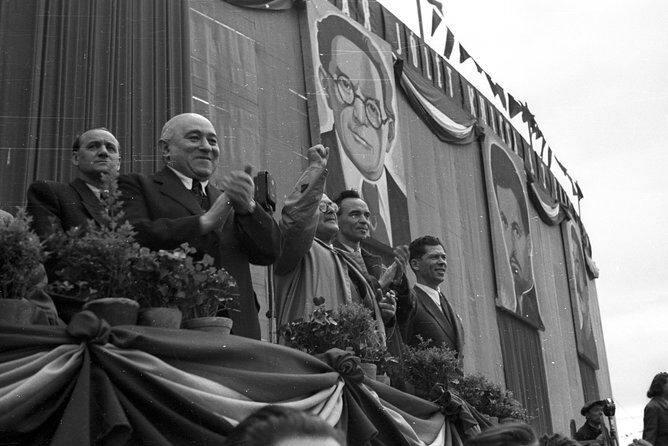
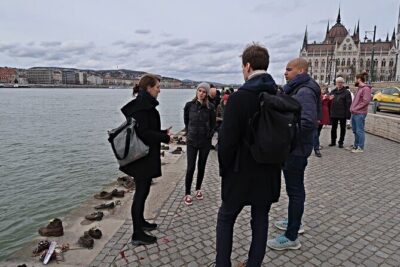
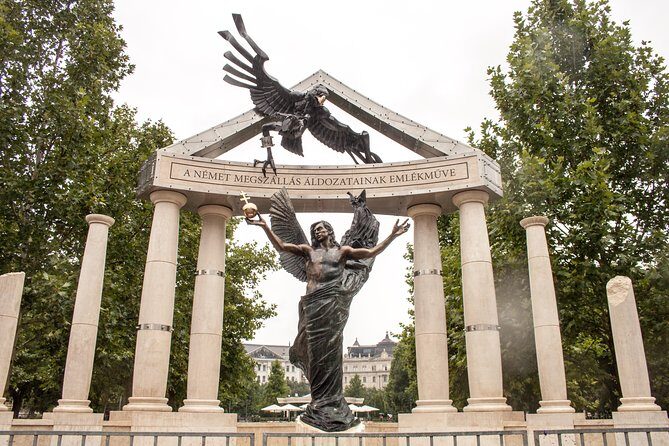
Szabadság tér (Liberty Square) is where the tour really uses setting as storytelling. The square is known for two controversial memorials: one commemorating Hungarian Jewish victims of the Holocaust, and the other honoring Soviet soldiers who liberated Budapest from the Nazis in 1945.
That combination matters. It’s not one clean line of history. It’s a shared space where multiple tragedies are memorialized, and the meanings can feel in conflict depending on who you are and what your country teaches you to see.
This stop also includes recognizable landmarks on the square’s sides, including the US Embassy in Hungary and the historicist headquarters of the Hungarian National Bank on the west side. Even with a short visit (around 25 minutes), you’ll get that “big picture” feeling.
Admission is listed as free, which is ideal. You get the context without adding ticket costs—just make sure you bring enough time to really look around, not just pose with the monument.
Stop 5: The 1956 Hungarian Revolution memorial as the turning point
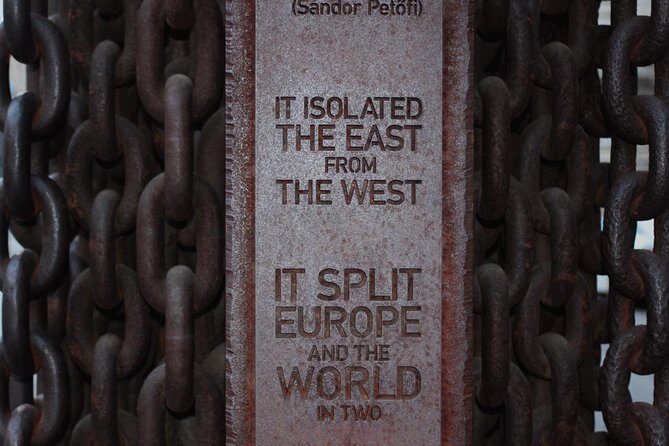
Then you hit the Memorial to the 1956 Hungarian Revolution and War of Independence. The description is straightforward: it commemorates the heroes of the 1956 uprising against the communist regime.
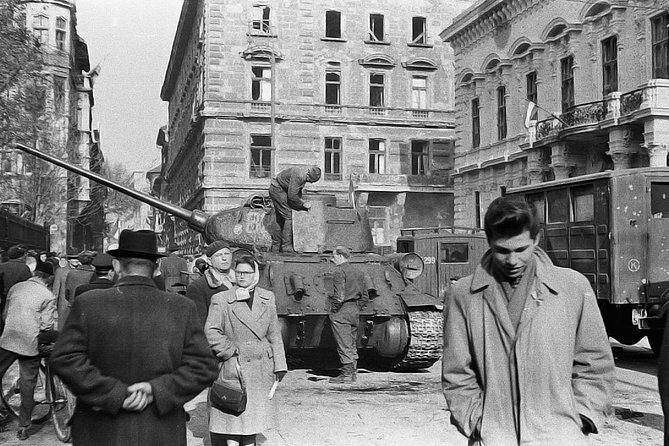
This is a crucial pivot point in the day. Up until now, the story can feel like it’s about external force or institutional control. 1956 brings it back to people resisting the system, even when power seems overwhelming.
The visit time is about 15 minutes. That’s short, but it’s enough if your guide is good at connecting the memorial to what happened during that period and why it still matters in modern Budapest.
If you care about understanding how communism was challenged from inside, this stop is one you’ll feel emotionally. It’s not abstract when you’re standing in front of a dedicated monument to uprising and independence.
Stop 6: Hungarian Parliament Building and what a regime can’t hide forever
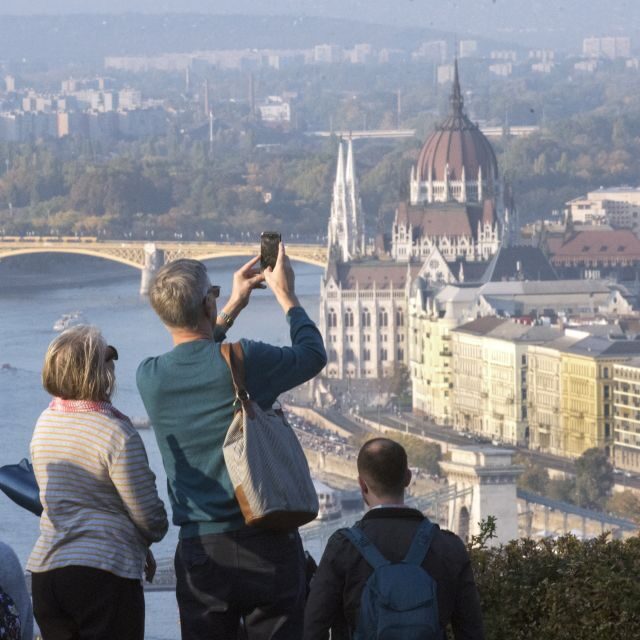
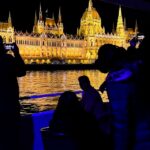
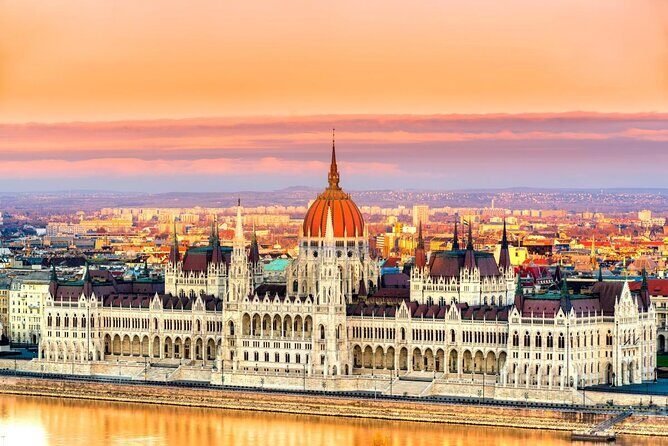
You finish at the Hungarian Parliament Building (Országház), also described as the seat of Hungary’s National Assembly and a major landmark and tourist destination. The tour notes the name translates to House of the Country or House of the Nation, which is a useful phrase to hold onto while you’re thinking about how political power wants legitimacy.
Admission isn’t included at this stop, so think of it as a viewing-and-context finish rather than a full visit inside. In a route like this, that’s actually a smart way to end. You’ve seen monuments tied to WWII memory, terror and persecution, national identity, and revolution. Now you end with a symbol of the state operating in public, built to look permanent.
If you want your final takeaway to stick, ask your guide to connect this ending to the day’s earlier themes. A good guide will help you make sense of how memory changes across regimes.
The Communist-themed bar stop: practical value, not just a gimmick
One of the included perks is a retro soda at a Communist-themed bar. You also get coffee and/or tea, plus maps and further recommendations.
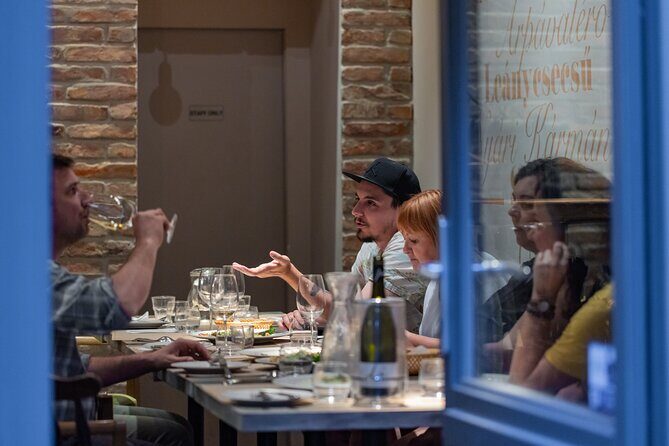
This is one of those “small but useful” inclusions. After museum time and emotionally intense sites, a quick drink break gives your brain a reset so you can keep processing what you just learned. It also gives your guide a natural opening to answer follow-up questions about present-day Hungary and how people talk about the communist era now.
Just keep expectations grounded: the tour includes a retro soda and coffee or tea, but food and additional drinks are not included unless specified. So if you’re hungry, you’ll want to plan accordingly.
Price and ticket reality: what you’re paying for
At about $108.14 per person for roughly 3 hours, you’re paying for guided context plus the convenience of pickup. The value is strongest when you treat the tour as interpretation, not just transportation between sites.
The route is built around free admission for some stops, including the Soviet Heroic Memorial and the House of Terror, plus Liberty Square listed as free. St. Stephen’s Basilica and the Parliament Building are listed as not included, so you should expect extra costs if you choose to go inside those.
A word of caution based on the important feedback you’ll find from past participants: ticket details can be more complicated than a simple free-or-not label. One person reported confusion around what counted as free admission for St. Stephen’s Basilica parts (like dome access) and also noted museum entry coverage didn’t match what they expected at the retro restaurant. If you care about getting exactly what you think is included, ask the guide before you go in.
If your goal is understanding and you’re flexible about tickets, this tour can still feel like a fair deal. If you want precise “pay once, enter everything,” verify up front.
Who should book this private communist history tour
This fits best if you want a focused, guided introduction to Hungary’s communist past and its competing memories in Budapest. It’s also a good match if you like your history tied to real places you can point to later.
You’ll likely enjoy it most if:
- You like museums and memorials more than shopping streets
- You’re okay with heavy subject matter at the House of Terror
- You want a short day window instead of a full-day history marathon
- Your group benefits from pickup and a private pace
Because the tour is listed for moderate physical fitness and runs near public transportation, it’s a solid option for people who can handle city walking without needing long hikes. Weather matters too, since the experience is described as requiring good weather.
Should you book Born Under The Red Star in Budapest?
I’d book it if you want a tight, guided route that connects communist-era themes to Budapest’s visible memorials. The House of Terror stop alone makes the day feel purposeful, and the Liberty Square pairing helps you see history as something people argue about in public space.
Skip or reconsider if your main goal is day-to-day stories and very granular detail about life under communism. This tour can be more symbol-and-context driven, and the short time means it can’t cover everything deeply. Also, if ticket inclusions matter a lot to you, ask your guide to clarify what is actually covered for any indoor sections you care about.
If you’re the type who enjoys asking questions and wants a guide to point out what you might miss on your own, this is a strong choice. If you prefer casual sightseeing with light facts, you might find the tone too serious for your day.
FAQ
How long is the Born Under The Red Star private tour?
The tour is about 3 hours.
Is pickup included?
Yes. Hotel or apartment pickup is included, and your guide meets you at your requested address.
Is the tour private?
Yes. It’s a private tour/activity, and only your group participates.
What language is the tour offered in?
The tour is offered in English.
Which stops require tickets or extra admission?
St. Stephen’s Basilica is listed as admission ticket not included, and the Hungarian Parliament Building is also listed as admission ticket not included.
Are any admissions included for free?
Some stops are listed with admission ticket free, including the Soviet Heroic Memorial, the House of Terror Museum, and Szabadság tér (Liberty Square).
What refreshments are included?
A retro soda in a Communist-themed bar is included, along with coffee and/or tea. Food and additional drinks are not included unless specified.
Is cancellation free if I change my plans?
Yes. You can cancel for a full refund if you cancel at least 24 hours in advance. If you cancel less than 24 hours before, the amount you paid will not be refunded.
Is this tour okay for children and service animals?
Children must be accompanied by an adult, and service animals are allowed.